
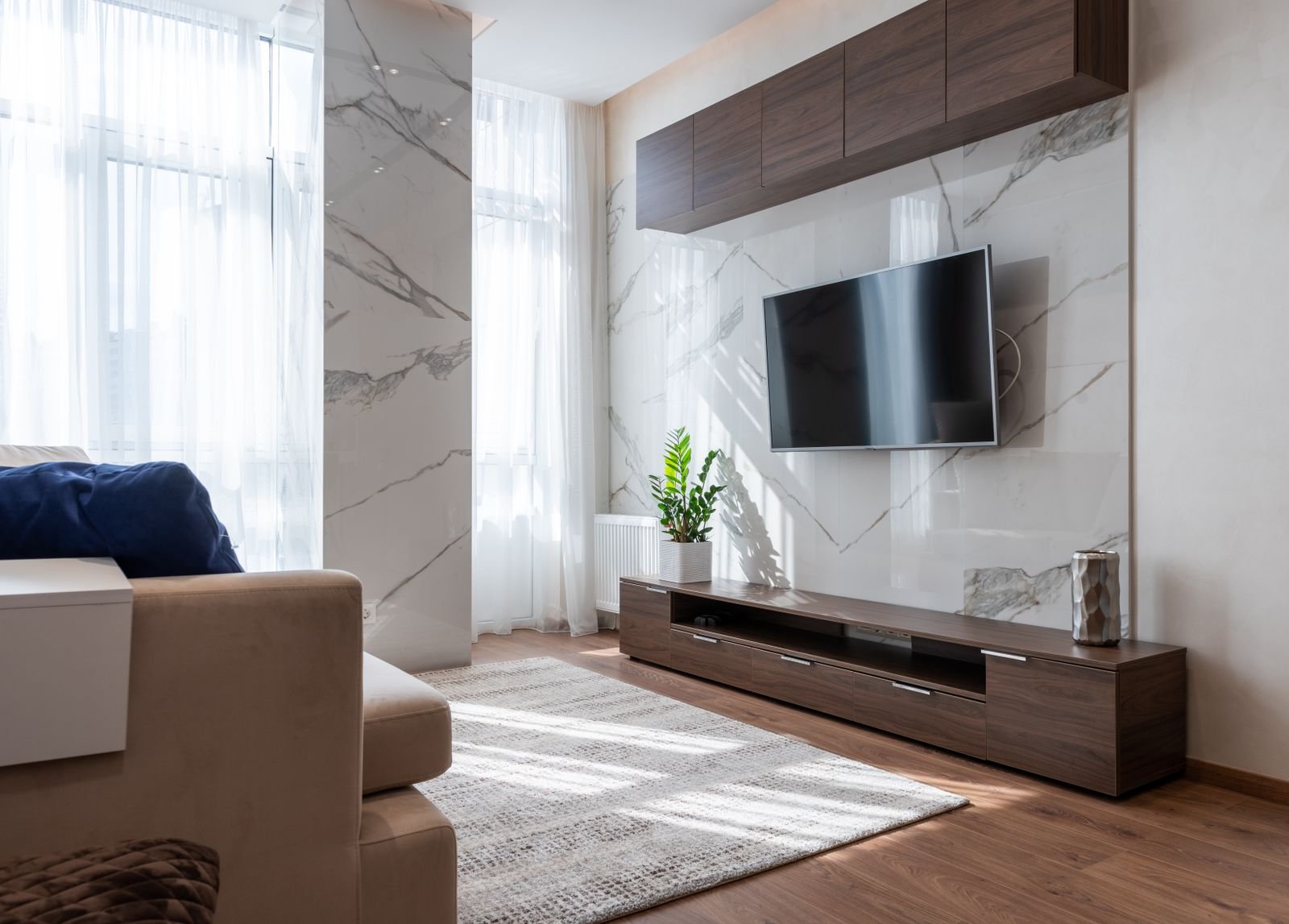
Warm and inviting isn't the same as cozy, even though the two get used interchangeably. Cozy is about comfort — soft things, low light. Warm and inviting is closer to a color and material decision: undertones that lean toward yellow, orange and red rather than blue, and finishes that feel touchable rather than clinical. A room can be tidy and modern and still read as cold if every choice in it leans cool.
The good news is that warmth is mostly a handful of consistent decisions, not a full redesign. Get the undertones and materials right and a room reads inviting even with a fairly minimal footprint.
Check Your Undertones Before Anything Else
Most 'cold' rooms aren't cold because of a bad color choice, they're cold because of undertones nobody checked. A gray with a blue undertone photographs fine but feels sterile in person; the same shade of gray with a warm, slightly beige undertone reads completely differently in the same light. Before repainting anything, hold swatches up next to each other in the room's actual daylight — undertones that look identical on a paint chip under store lighting often aren't.
Swap Cool Metals for Warm Ones
Chrome, polished nickel and cool-toned stainless steel all read a little clinical, especially in bulk. Brass, warm bronze, and matte black with a slight warmth to it do the opposite — cabinet handles, light fixtures, curtain rods and picture frames in a warm metal finish add a surprising amount of warmth for something people rarely look at directly.
Bring in Wood That Actually Looks Like Wood
A lot of budget furniture uses a wood-toned laminate that reads flat compared to real wood grain, even at a glance. One or two pieces with visible, real wood grain — a coffee table, a shelf, a headboard — do more for warmth than several laminate pieces combined, because the eye picks up on grain variation even without registering why.
You Don't Need to Match the Wood Tones
A common hesitation is worrying that different wood tones will clash. In practice, a room with two or three different woods — a lighter oak floor, a medium walnut table, a darker wood frame — usually looks more collected than a room where every wood tone matches exactly, which can end up looking more like a matching furniture set than a considered room.
Layer in Natural, Touchable Textiles
Linen, wool, boucle and heavy cotton all catch light differently than synthetic blends, and that difference is part of what makes a room feel warm rather than flat. A linen curtain, a wool throw, a boucle accent chair — swapping even one synthetic textile for a natural one in a room's main sightline changes the overall feel more than the size of the item would suggest.

Make the Entry Feel Like an Invitation, Not a Hallway
Inviting isn't only about your own comfort — it's about what a guest feels in the first ten seconds. A low lamp instead of a bright overhead light, a place to actually set down a bag or coat, and one warm-toned object near the door signal welcome before anyone says a word.
Common Mistakes That Make a Room Feel Cold Instead of Warm
- Choosing an all-white or all-gray palette without checking undertones, which can read sterile under most household lighting.
- Mixing too many cool-toned metals — chrome, steel and cool silver — in the same visible area.
- Relying entirely on synthetic textiles because they're easier to clean, without adding at least one natural material for contrast.
- Leaving walls bare in the name of minimalism; a warm room usually has at least one piece of art or a textured object the eye can land on.
Frequently Asked Questions
Can a modern home still feel warm and inviting?
Yes — warmth comes from undertone, material and lighting choices, not from a specific decorating style. A modern room with warm wood, brass fixtures and warm-white lighting reads inviting even with clean, minimal lines.
What's the fastest way to warm up an all-white room?
Add a warm-toned rug or throw and swap any cool-metal hardware or fixtures for brass or warm bronze. Both changes are reversible and don't require repainting.
Is warm lighting alone enough to make a cold room feel inviting?
It helps significantly, but undertones and material choices matter too — a blue-gray wall under warm lighting will still read cooler than a warm greige wall under the same light.
More Ideas You May Like
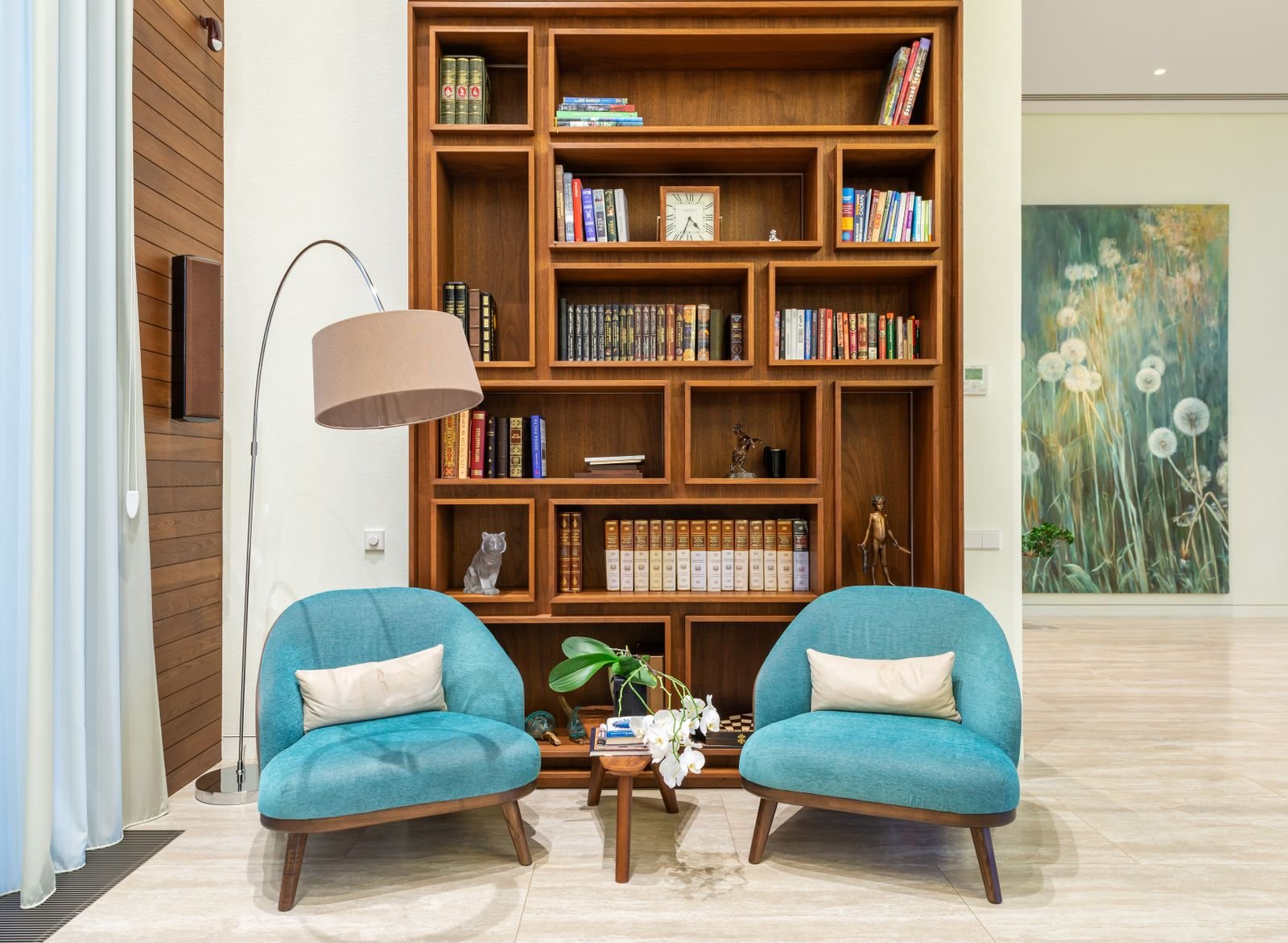
Cozy Home Ideas for Every Room
A room-by-room look at what actually makes a home feel cozy — not a single trick, but a handful of small, repeatable habits per room.
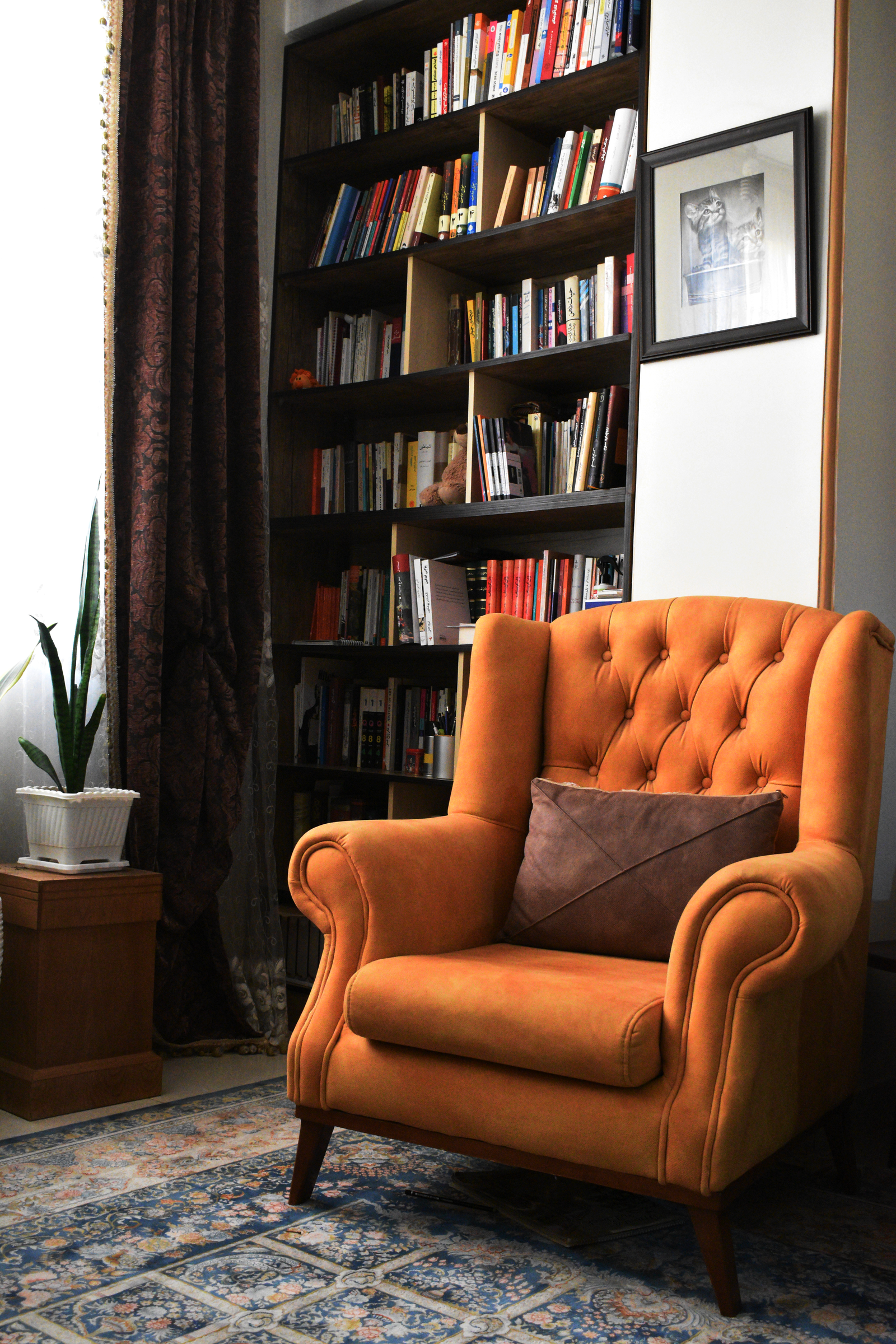
Simple Ways to Make Your Home Feel Cozy
Coziness comes down to a handful of physical details — soft textures nearby, quieter rooms and warmer scent — not a full redecorating project.
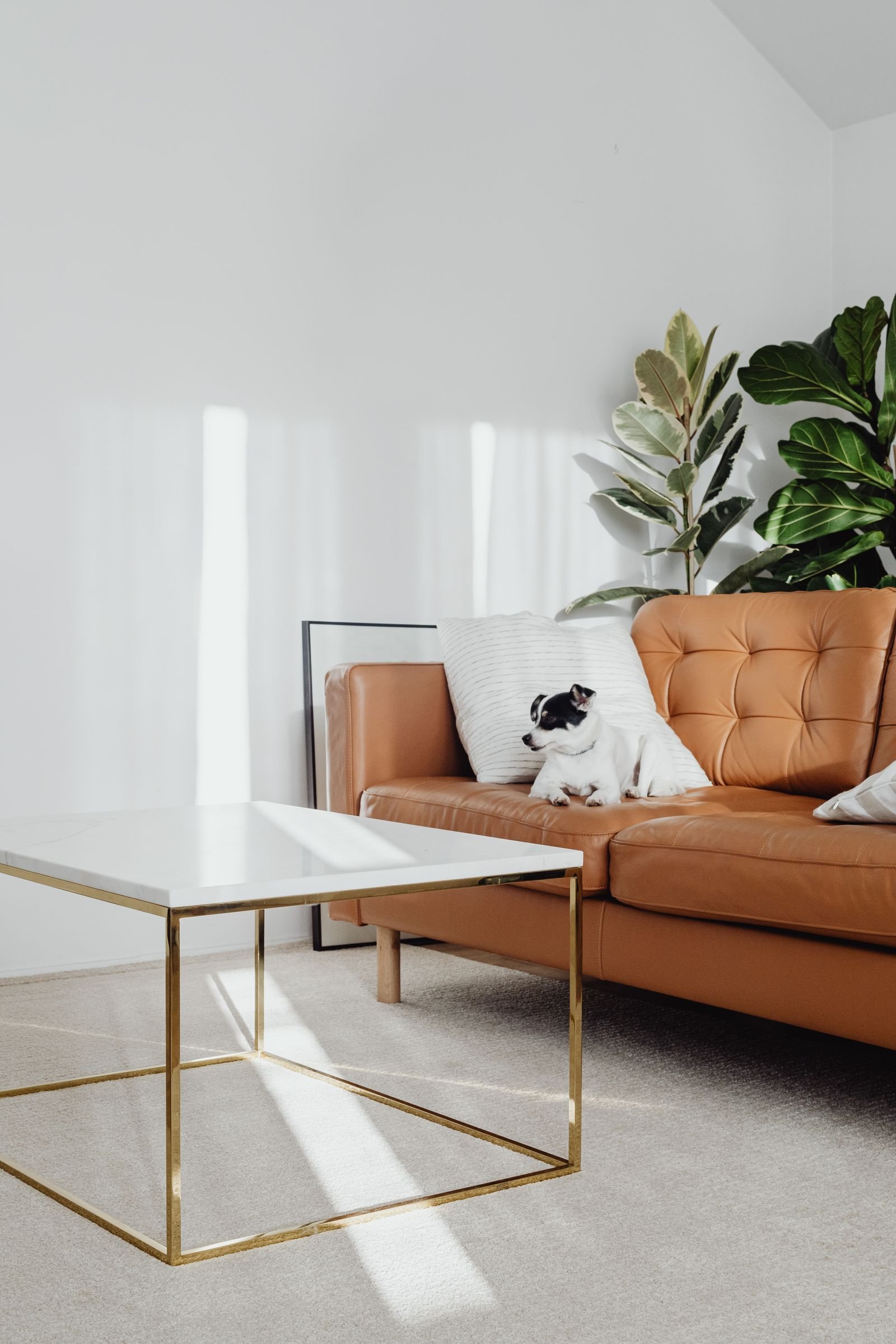
Dog-Friendly Living Room Ideas That Still Look Elegant
A living room can be dog-friendly and still look considered — it comes down to material choices more than giving anything up.
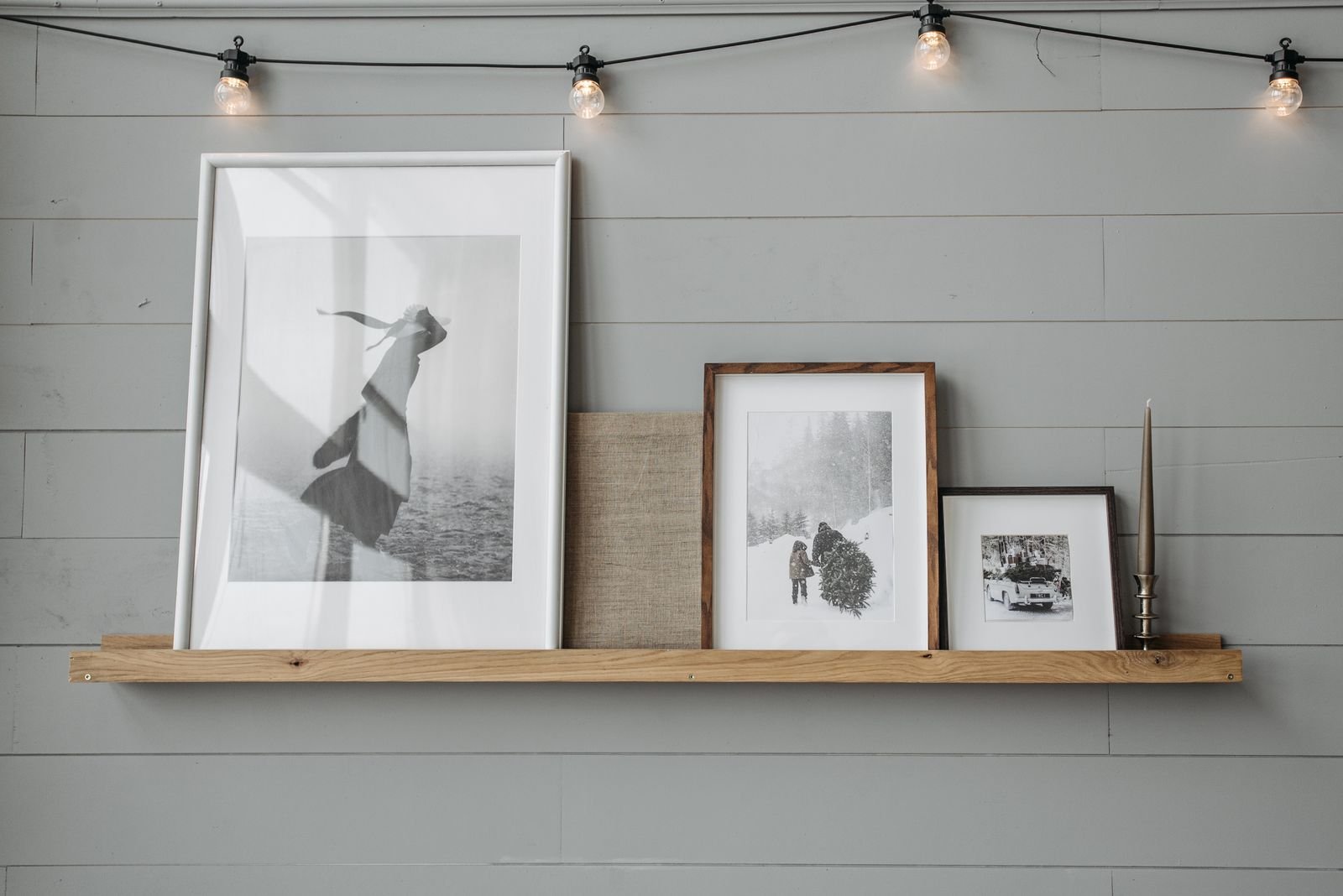
Affordable Wall Decor Ideas
One large print, a hung textile or a cluster of thrifted plates often does more for a wall, and costs less, than several small framed pieces.