
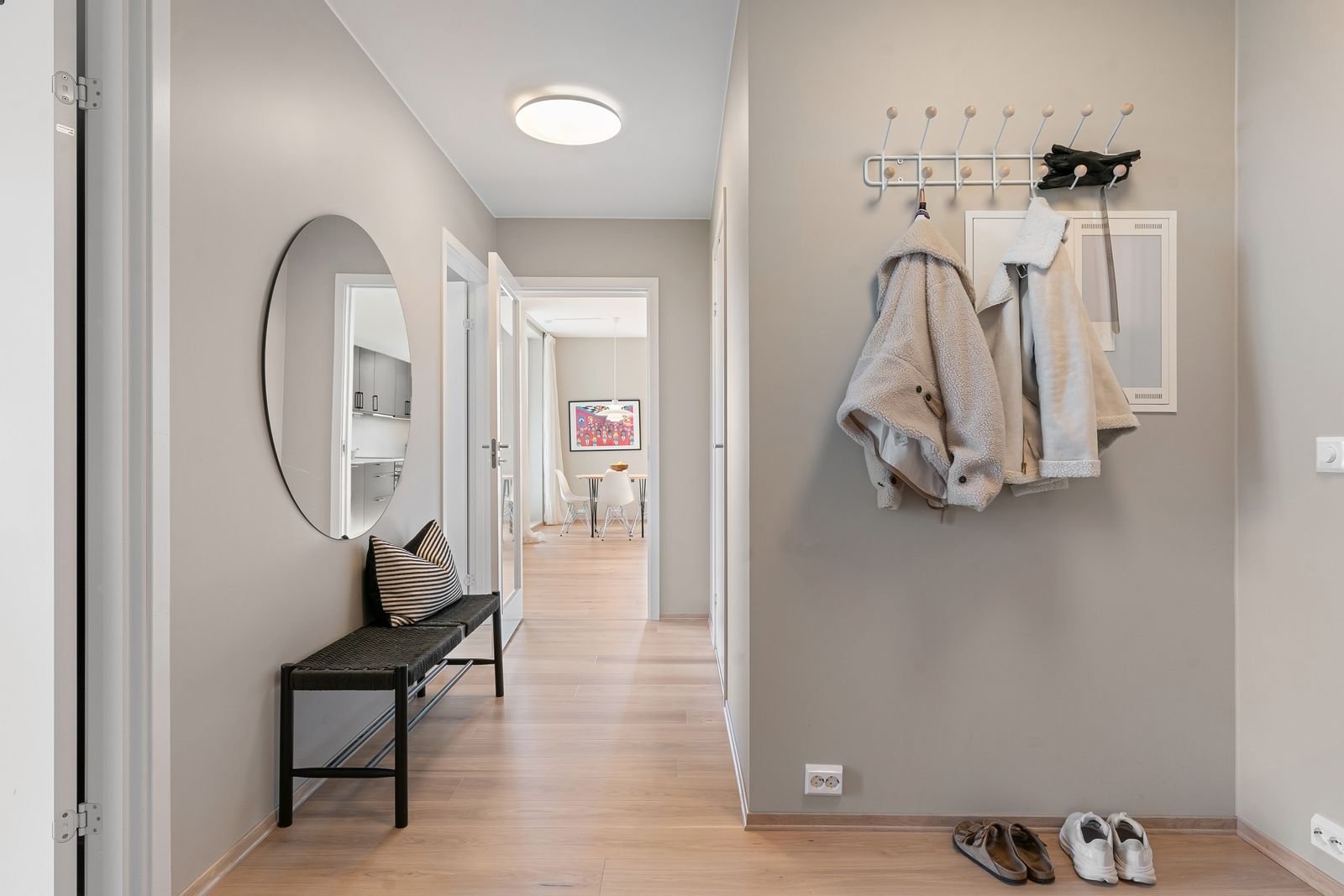
An entryway doesn't need much to function well — a spot for shoes, somewhere for keys, and a place mail can land instead of migrating to the kitchen counter. Most entryway chaos isn't a storage problem so much as a habit problem: there's no obvious 'home' for the daily stuff, so it ends up wherever someone drops it first.
The fix is less about buying furniture and more about assigning specific, narrow jobs to specific spots — and making the system quick enough that it actually gets used after a long day.
Create One Landing Spot, Not Three Scattered Ones
Keys on a hook by the door, keys in a kitchen drawer, and keys occasionally in a coat pocket is how a five-second habit turns into a five-minute search every morning. Pick one shallow tray or a small wall-mounted hook rail right at the entry, and treat it as the only acceptable spot for keys, wallet and sunglasses — consistency matters more here than the container itself.
Sort Mail the Moment It Comes In
Mail that gets set down 'to deal with later' is one of the most reliable sources of entryway clutter, because later rarely arrives before more mail does. A small two- or three-slot sorter near the door — recycle, action needed, file — turns opening mail into a five-second decision instead of a pile that needs a weekend to work through.
Use Hooks at More Than One Height
A single row of hooks at adult shoulder height works fine for adults and ignores everyone else in the house. Adding a lower row — 24 to 30 inches up — gives kids a spot they can actually reach for backpacks and jackets, which matters more for whether the system gets used than almost anything else on this list. An entryway system only works if it's easier to use than the floor.
- Adult-height hooks, roughly 55 to 60 inches up, for coats, bags and umbrellas.
- A lower row for kids' backpacks and jackets, sized to whoever actually uses it.
- A separate hook or small basket specifically for leashes, if there's a dog in the house — it's a small addition that removes a genuinely common source of entryway clutter.
Closed storage for shoes, if space allows
Open shoe shelves look fine for the first week and then tend to sprawl past their edges. A bench with closed cubbies or a slim cabinet keeps the same number of shoes contained instead of visibly spreading across the floor, and it gives the entryway a cleaner baseline even on a messy day.
Add a Spot for Outgoing Items
Most entryway systems only plan for things coming into the house — mail, shoes, bags. A small basket or shelf specifically for outgoing items, like library books, dry cleaning or a package to mail, means those things actually leave the house instead of sitting by the door for two weeks getting stepped around.

Do a Two-Minute Reset Each Evening
Systems fail less because they're badly designed and more because nobody maintains them for more than a week. A genuinely fast nightly reset — shoes into the bench, coats onto hooks, mail sorted — keeps the entryway from resetting to chaos by the weekend. It works because it's short enough to actually happen, not because it's thorough.
Common Entryway Organization Mistakes
- Buying a large storage bench before deciding what specifically needs to live in it, resulting in a junk-drawer-sized bin instead of organized storage.
- Putting hooks only at adult height in a household with kids, which guarantees backpacks end up on the floor instead.
- Skipping a mail sorting system entirely and letting it default to the kitchen counter.
- No dedicated spot for outgoing items, so returns, library books and dry cleaning sit by the door indefinitely.
Frequently Asked Questions
What's the minimum an entryway organization system actually needs?
A hook or two for keys, a spot for shoes, and somewhere for mail to land. Everything beyond that — benches, cubbies, sorting trays — helps, but those three cover most of what causes entryway clutter in the first place.
How do I stop mail from piling up by the door?
Sort it the moment it comes in rather than setting it down 'for later,' using a simple recycle, action, file system, and keep a recycling bin close enough that junk mail doesn't have to travel anywhere to be tossed.
Should kids have their own hooks in the entryway?
Yes, at a height they can actually reach — usually 24 to 30 inches up. An entryway system that only accounts for adult height tends to get bypassed by kids, who'll just drop things on the floor instead.
More Ideas You May Like
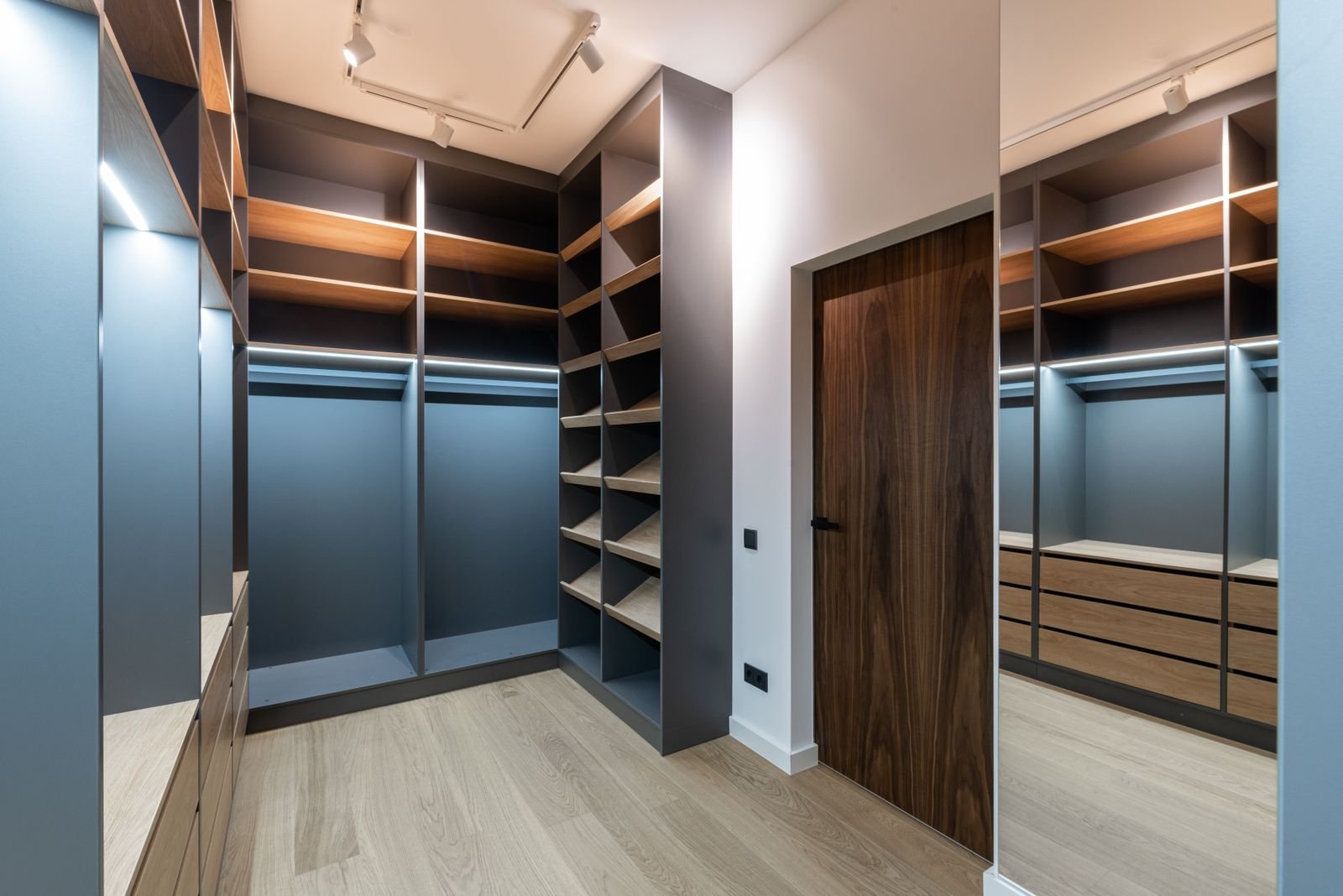
Closet Organization Ideas That Actually Work
A closet system holds up long-term when it starts with sorting by how often things get worn, not with a new set of matching hangers.
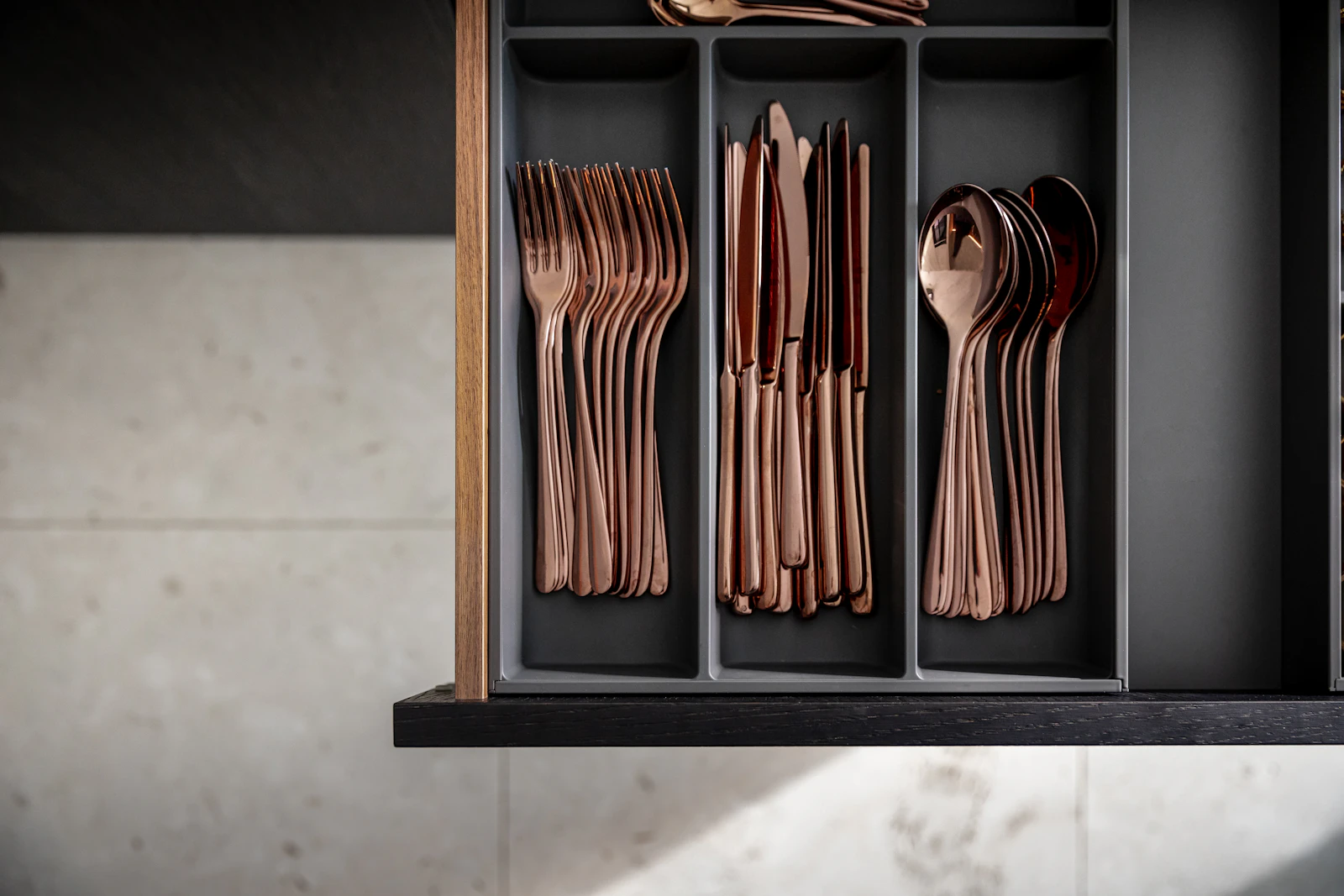
Kitchen Organization Ideas That Actually Stick
Kitchen organization that survives past the first week starts with decluttering, not storage bins — here's the order that actually works.
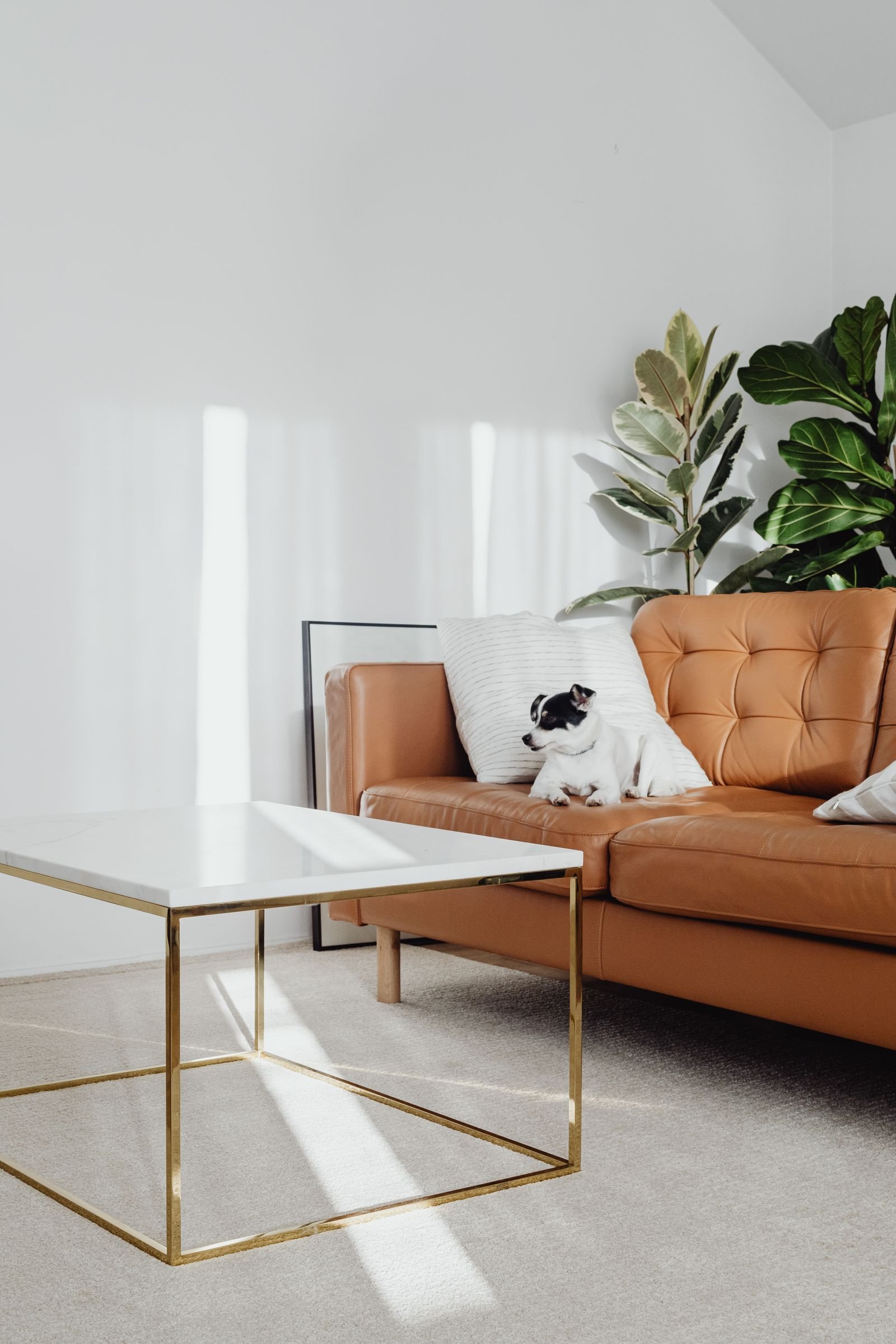
Dog-Friendly Living Room Ideas That Still Look Elegant
A living room can be dog-friendly and still look considered — it comes down to material choices more than giving anything up.
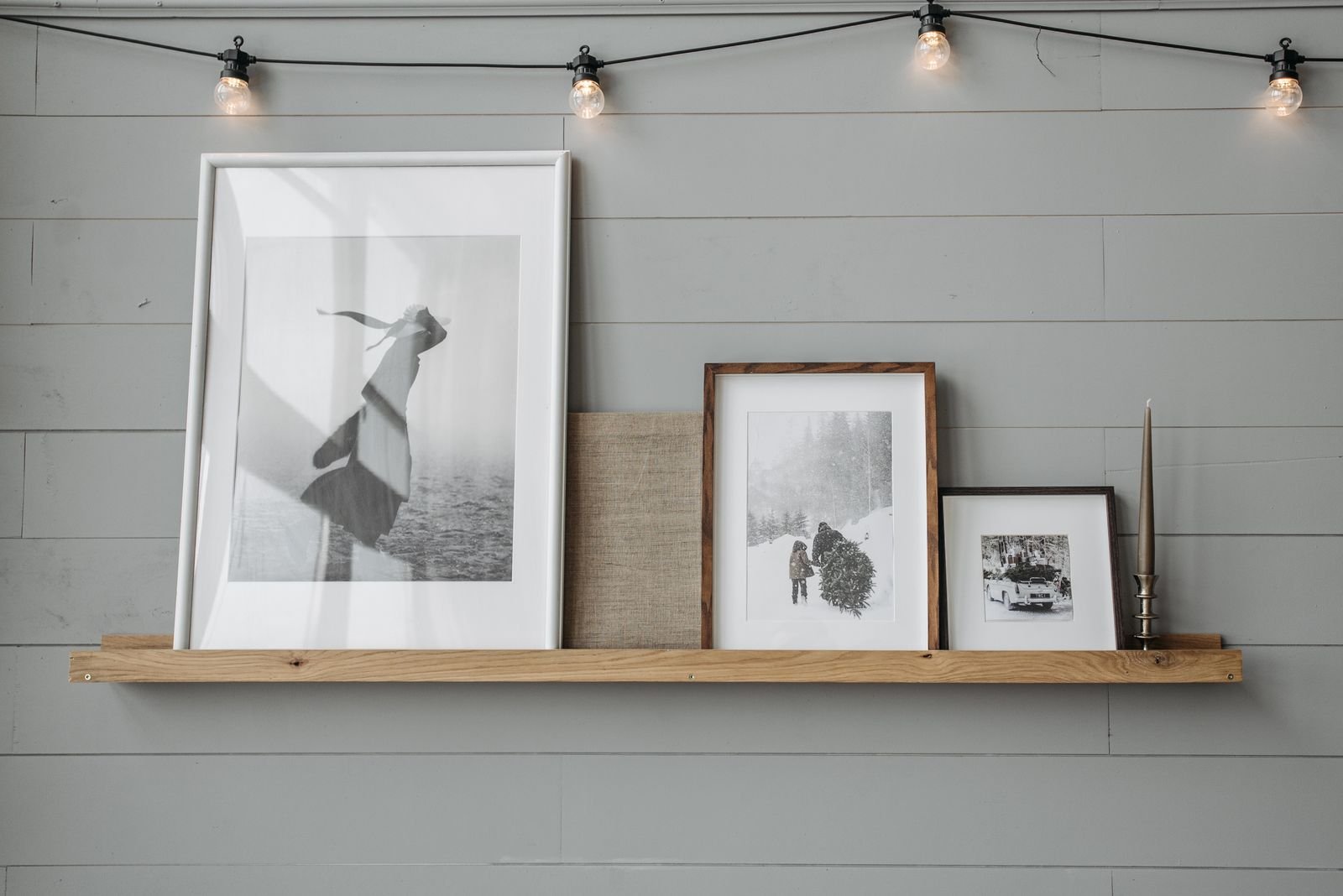
Affordable Wall Decor Ideas
One large print, a hung textile or a cluster of thrifted plates often does more for a wall, and costs less, than several small framed pieces.