
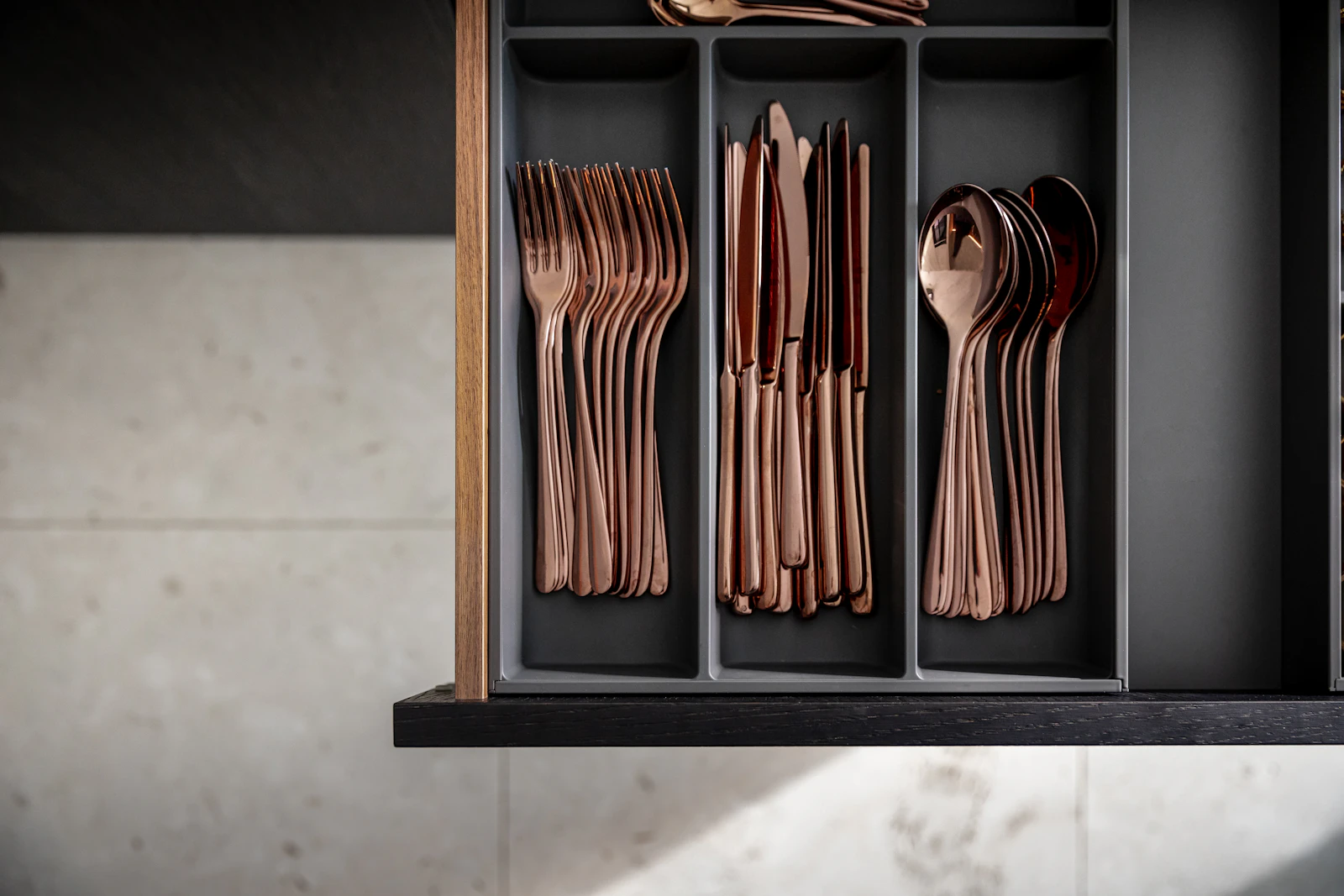
A newly organized kitchen usually falls apart within a month, and it's rarely because the system was wrong — it's because storage went in before decluttering did. Buying bins for a drawer that's overfilled with duplicate tools just organizes the clutter instead of removing it. The order matters more than the products.
Declutter Before You Buy a Single Container
Pull everything out of one zone at a time — utensil drawer, baking cabinet, pantry shelf — and sort into keep, donate and toss before anything goes back. Duplicate tools (a fourth spatula, three sets of measuring cups) are the most common culprit in kitchens, and they take up the space that better organization actually needs.
Organize by Zone, Not by Category Alone
Rather than grouping purely by item type, group by how you use the kitchen: a coffee and tea zone near the kettle, a baking zone with flour, sugar and mixing tools together, a prep zone with cutting boards and knives near the counter you actually chop on. Zones cut down on the walking and searching that makes a 'clean' kitchen still feel inefficient.
This also makes it obvious where a new purchase belongs. Without zones, a new gadget tends to land wherever there's an open inch of cabinet space, which is exactly how kitchens drift back into clutter a few months after an initial organizing push.
Use Drawer Dividers Before Bins
Deep drawers without dividers turn into a jumble within days no matter how neatly they start. Simple adjustable dividers, even inexpensive ones, keep utensils and tools in their lanes and make it obvious when something's out of place — which is most of what keeps a system working long-term.

Label the Pantry, Even If It Feels Excessive
Labels aren't just aesthetic — they're what makes a system usable by everyone in the household, not just the person who set it up. Clear or matching containers with simple labels for staples (flour, rice, pasta, sugar) keep the pantry organized because putting things back correctly takes no extra thought.
Give Counters a Default Empty State
Every kitchen counter needs a baseline — the handful of things that are allowed to live there permanently (maybe a knife block, a fruit bowl, a soap dispenser) and nothing else. Without that baseline, mail, mugs and miscellaneous items creep in until the whole counter is full again. Deciding in advance what belongs there makes it obvious, at a glance, when something doesn't.
Common Kitchen Organization Mistakes
- Buying storage products before decluttering, which just organizes the excess instead of removing it.
- Storing rarely used appliances in prime counter or cabinet real estate out of habit rather than actual use frequency.
- Over-decanting — transferring every single pantry item into matching jars is time-consuming and not necessary for the system to work; focus on high-use staples first.
- Ignoring the space under the sink, which tends to become a catch-all; a simple bin or tiered organizer keeps cleaning supplies accessible instead of piled.
Frequently Asked Questions
How often should a kitchen be re-decluttered?
A light pass every three to six months catches duplicate purchases and expired pantry items before they build back up. A full reset once a year is usually enough if the initial decluttering was thorough.
Are matching storage containers worth the cost?
For high-visibility areas like an open pantry, they help maintain the system because everything has an obvious place. For closed cabinets nobody sees, function matters more than uniformity — plain, well-sized containers work just as well.
More Ideas You May Like
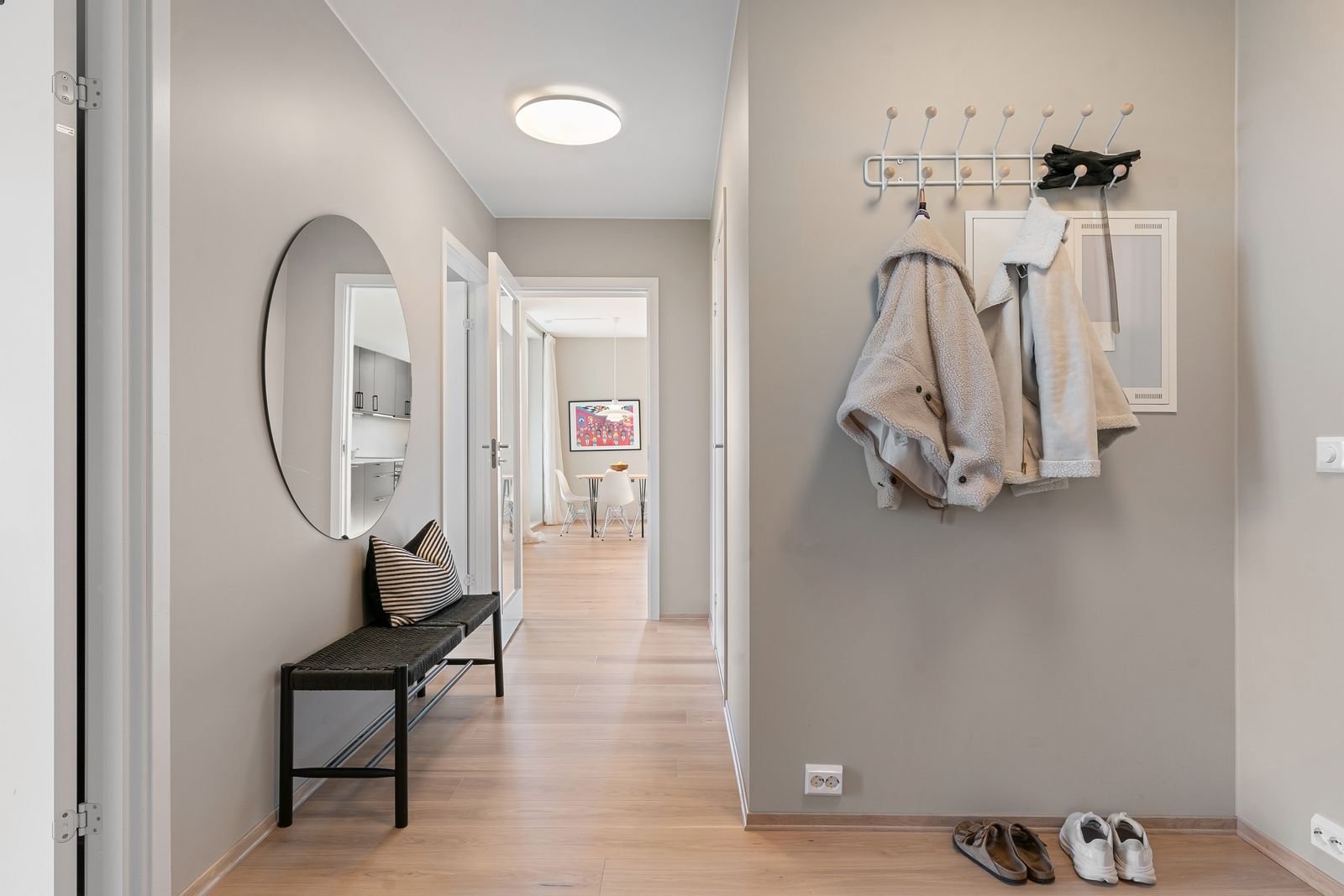
Entryway Organization Ideas for a Calmer Front Door
Entryway clutter is usually a habits problem, not a storage one — a single landing spot, a mail sorter and hooks at kid height fix most of it.
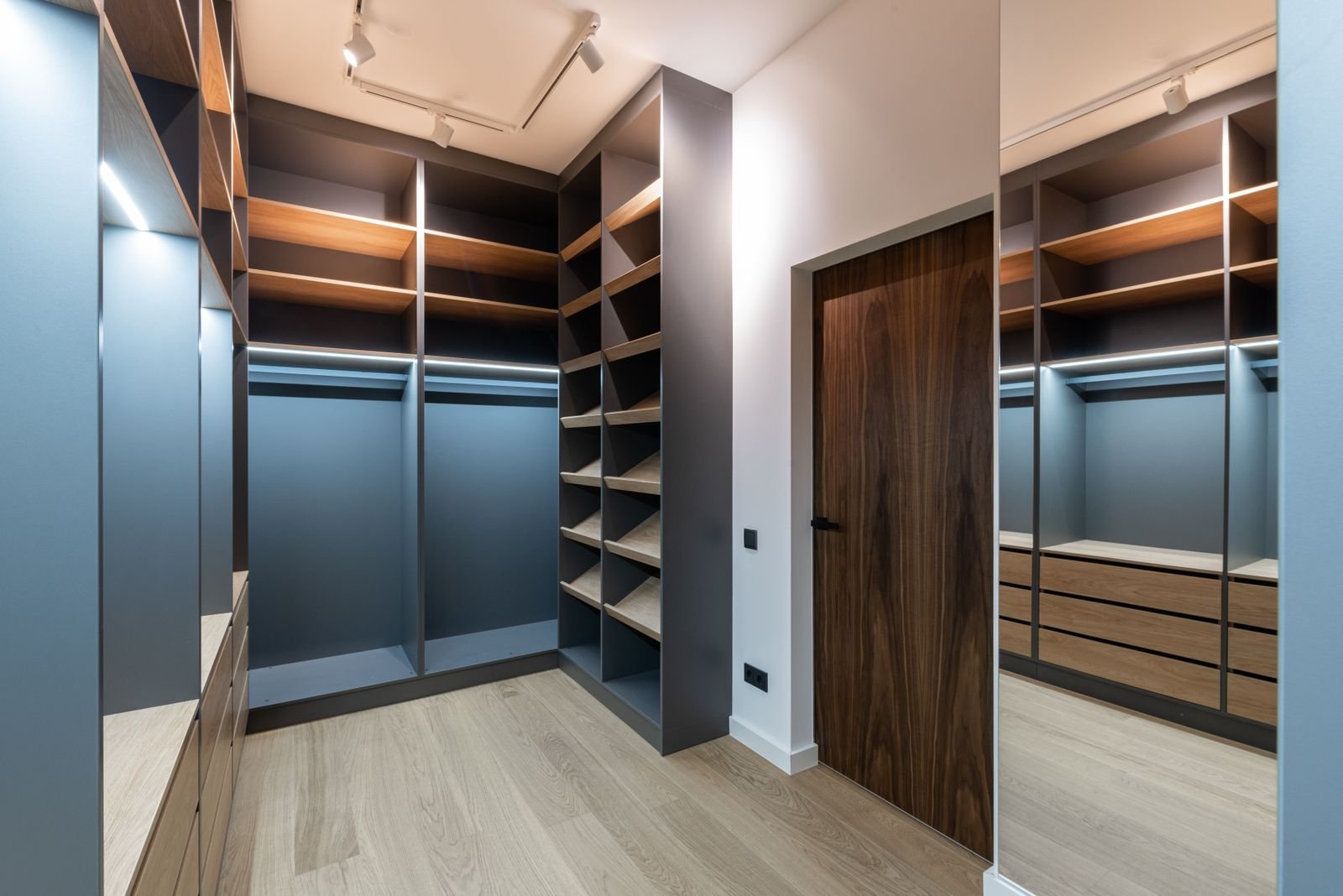
Closet Organization Ideas That Actually Work
A closet system holds up long-term when it starts with sorting by how often things get worn, not with a new set of matching hangers.

Dog-Friendly Living Room Ideas That Still Look Elegant
A living room can be dog-friendly and still look considered — it comes down to material choices more than giving anything up.
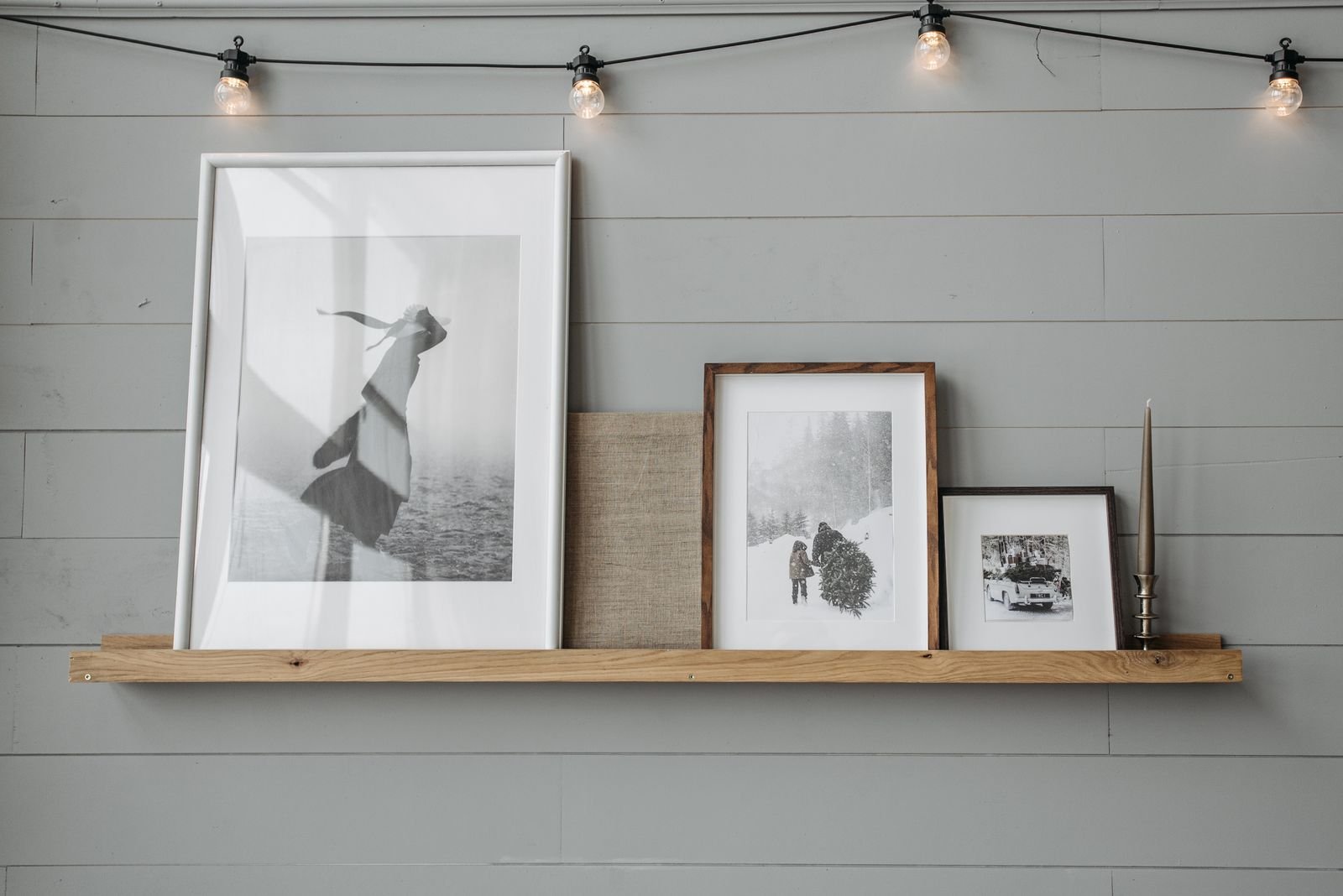
Affordable Wall Decor Ideas
One large print, a hung textile or a cluster of thrifted plates often does more for a wall, and costs less, than several small framed pieces.