
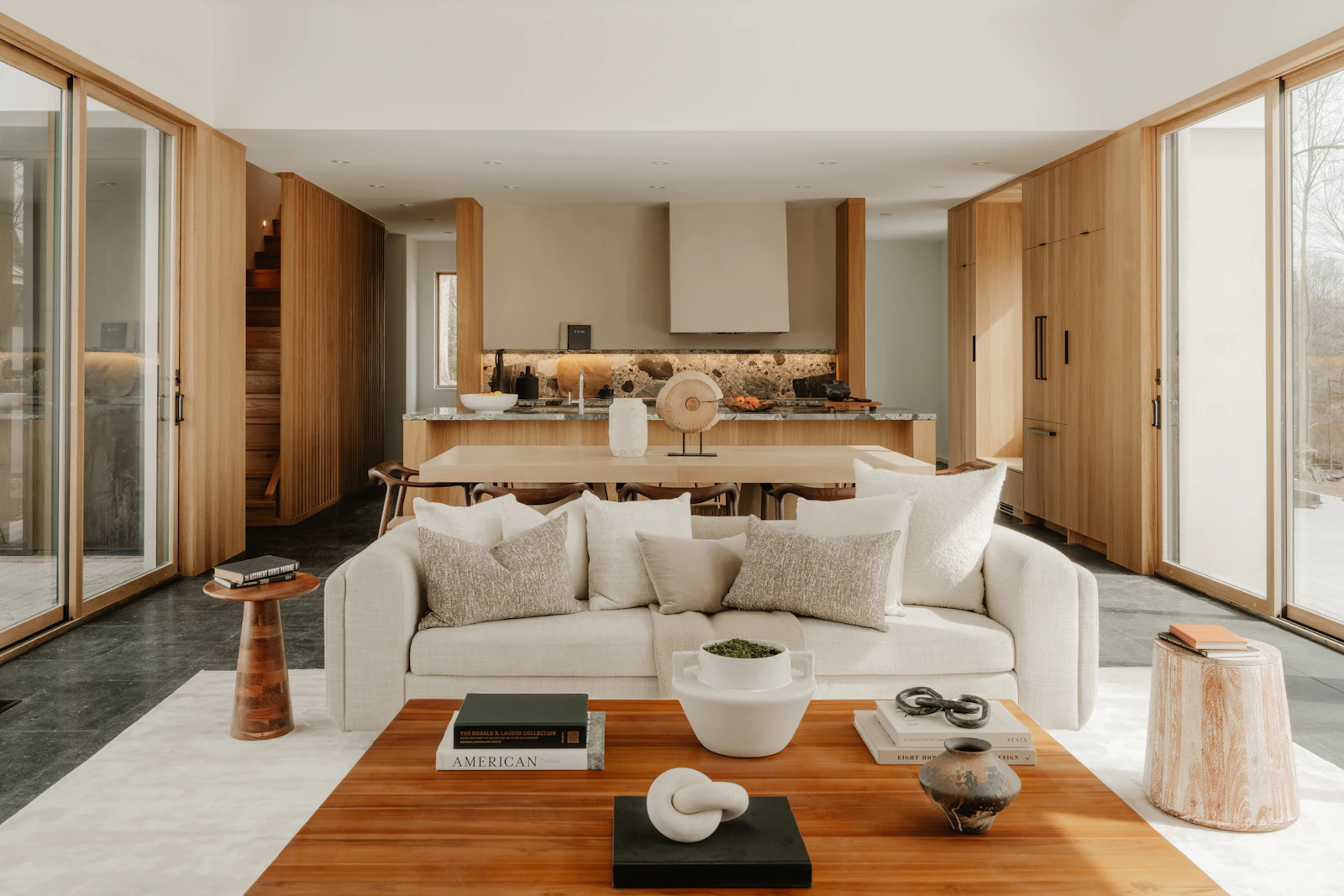
'Modern' gets used loosely enough that it's worth defining before using it. In interior design terms, it usually means clean lines, function-driven layouts, and a restrained material palette — not the same thing as cold, and not the same thing as bare. The best modern rooms feel calm because of what was left out, not because they lack personality.
Start With Fewer, Better Materials
A modern room typically draws from two or three core materials — wood, stone, metal, or a matte-painted surface — repeated consistently instead of introducing a new material in every corner. That repetition is what reads as considered rather than sparse.
Let Proportion Do the Work Color Usually Gets Credit For
A lot of what makes a room feel 'modern and expensive' rather than 'modern and cheap' comes down to proportion: furniture legs at the right height, art hung at the correct scale relative to the wall, negative space left around key pieces instead of filled in. None of that shows up in a color palette, but it's often the first thing a trained eye notices.
Use Color With Restraint, Not Absence
Modern doesn't mean all white and gray. A single saturated color — a deep green cabinet, a rust-toned chair — against a neutral backdrop tends to read as more sophisticated than either an all-neutral room or a room with color everywhere. The restraint is in the count of colors, not the intensity of any one of them.
Design the Lighting Plan Before the Decor
This is the step that separates a genuinely well-designed modern room from one that just has modern furniture in it. Think through layered lighting — ambient, task, and accent — before choosing decor, since retrofitting good lighting into a finished room is far harder than planning for it.
A simple three-layer approach
- Ambient: an overhead source on a dimmer, kept low most of the time.
- Task: focused light where you actually read, cook or work.
- Accent: a picture light, a floor lamp in a corner, or uplighting on a plant or architectural detail.
Mix Straight Lines With One Curved Piece
Modern rooms lean heavily on straight lines — square sofas, rectangular rugs, grid-patterned shelving. Left unchecked, that gets rigid fast. A single curved element, an arched mirror, a round pedestal table, a chair with a rounded back, breaks up the geometry without undoing the clean-lined feel of the rest of the room. It's a small addition that does a disproportionate amount of softening.
This is also where a lot of 'modern' rooms accidentally tip into feeling cold: every surface is flat, every edge is a right angle, and nothing in the room has any give to it visually. One curve, placed deliberately, fixes that without adding clutter or abandoning the aesthetic.
Give the Room One Material That Isn't Painted or Flat
Alongside the wood, stone or metal mentioned earlier, it's worth having at least one surface with genuine texture — a woven jute rug, a bouclé chair, a ribbed ceramic vase. Modern rooms built entirely from smooth, matte, painted surfaces can start to feel like a rendering rather than a room people actually live in. Texture is what signals a human hand was involved in choosing the pieces.
Common Mistakes in Modern Interiors
- Treating 'modern' as a synonym for 'empty' and under-furnishing a room until it feels unfinished.
- Mixing too many finishes — matte black, brushed brass and chrome all in one small space competes rather than complements.
- Choosing trend-driven furniture shapes over comfort; a striking chair nobody sits in isn't doing its job.
- Ignoring scale — oversized furniture in a modest room undermines the sense of proportion modern design depends on.
- Skipping texture entirely and ending up with a room that looks more like a showroom rendering than a lived-in space.
Frequently Asked Questions
Is modern interior design the same as minimalist design?
They overlap but aren't identical. Minimalism is specifically about reducing to the essential; modern design is more about clean lines, function and material restraint, and can still include a reasonable amount of furniture, art and personal objects.
What colors work best in a modern interior?
There's no single required palette, but a neutral base — white, warm gray, greige or soft beige — paired with one or two deeper accent colors tends to read as modern more reliably than either an all-neutral or a highly saturated multi-color scheme.
Does a modern room need at least one curved piece of furniture?
It's not a strict rule, but it helps. A room built entirely from straight lines and right angles can feel rigid; one curved chair, table or mirror softens the geometry without compromising the overall look.
More Ideas You May Like
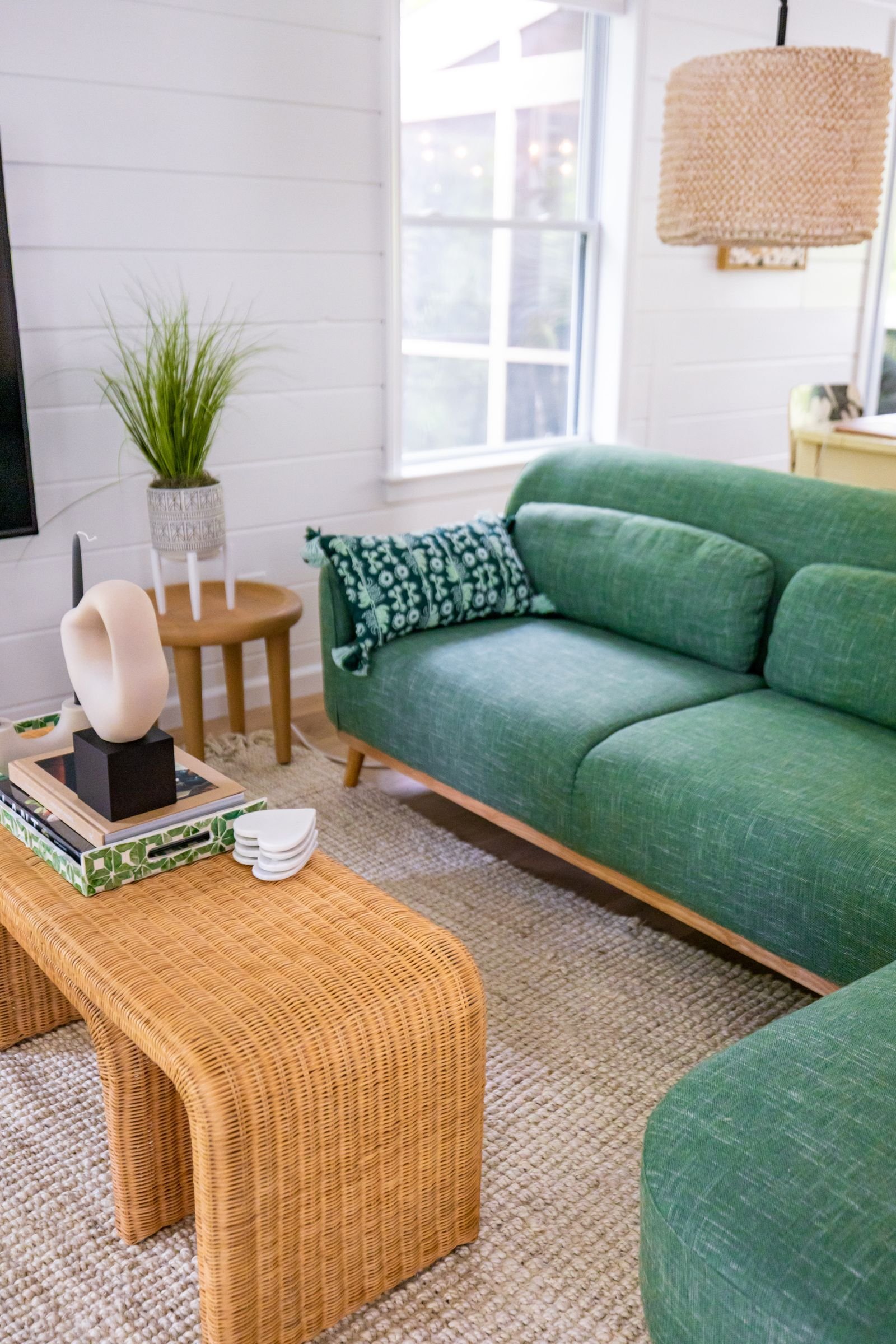
Interior Color Ideas That Make a Room Feel Considered
A considered room usually comes down to color ratio and repetition, not a single perfect paint color picked in isolation from the rest of the house.
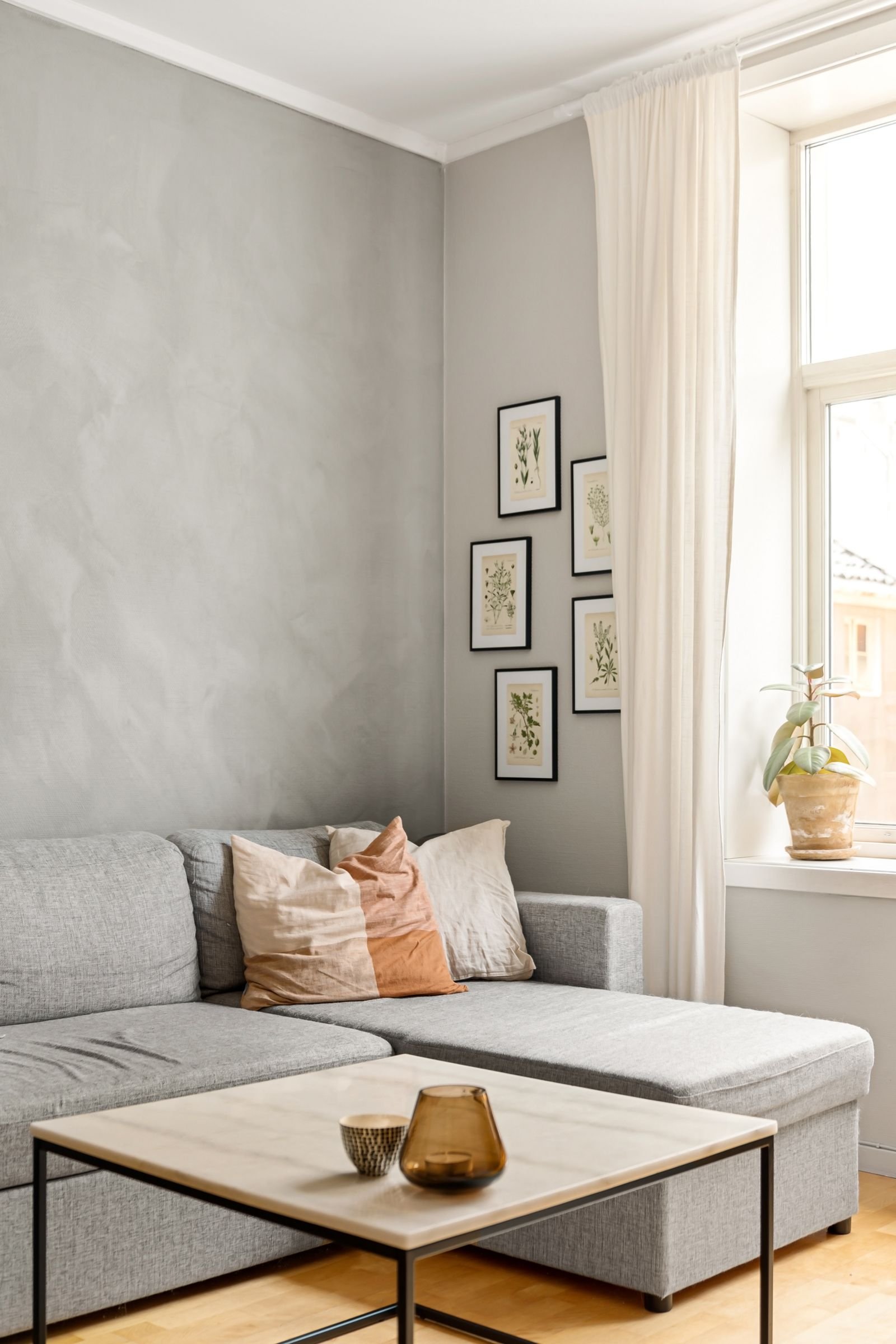
Modern Home Design Ideas
Modern design is mostly about sightlines, finish choices and lighting treated as a focal point, not a specific style of furniture or color palette.
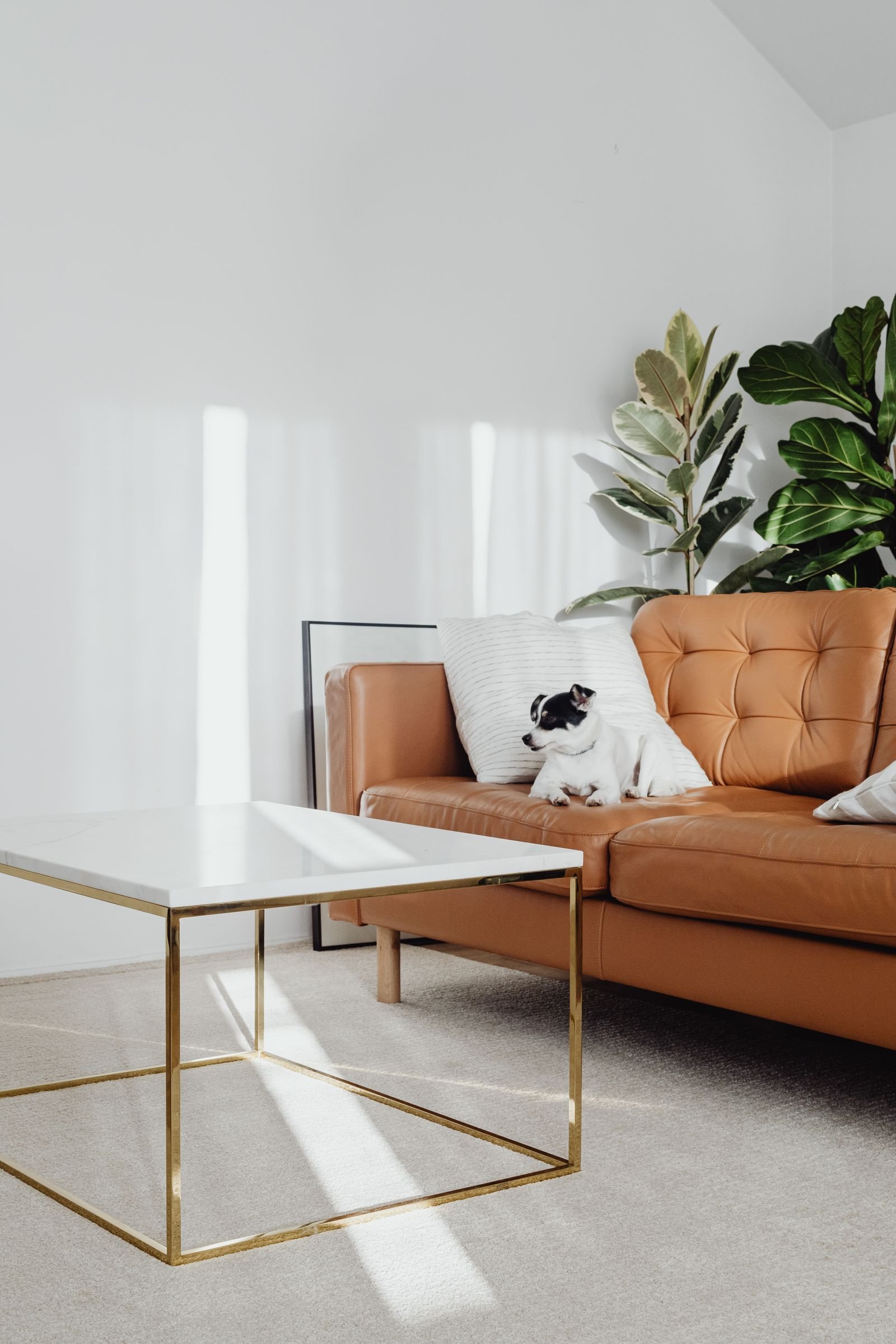
Dog-Friendly Living Room Ideas That Still Look Elegant
A living room can be dog-friendly and still look considered — it comes down to material choices more than giving anything up.
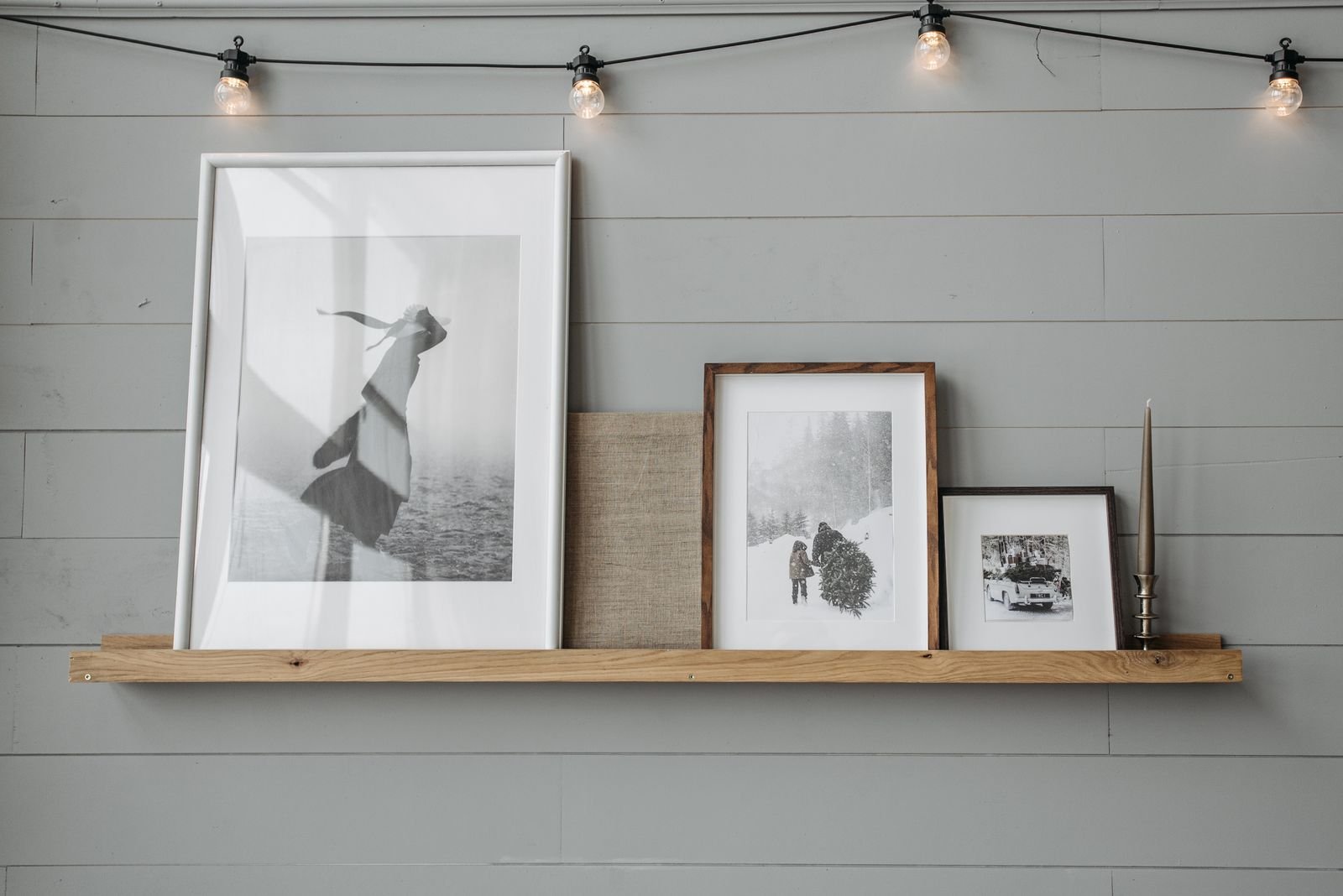
Affordable Wall Decor Ideas
One large print, a hung textile or a cluster of thrifted plates often does more for a wall, and costs less, than several small framed pieces.