
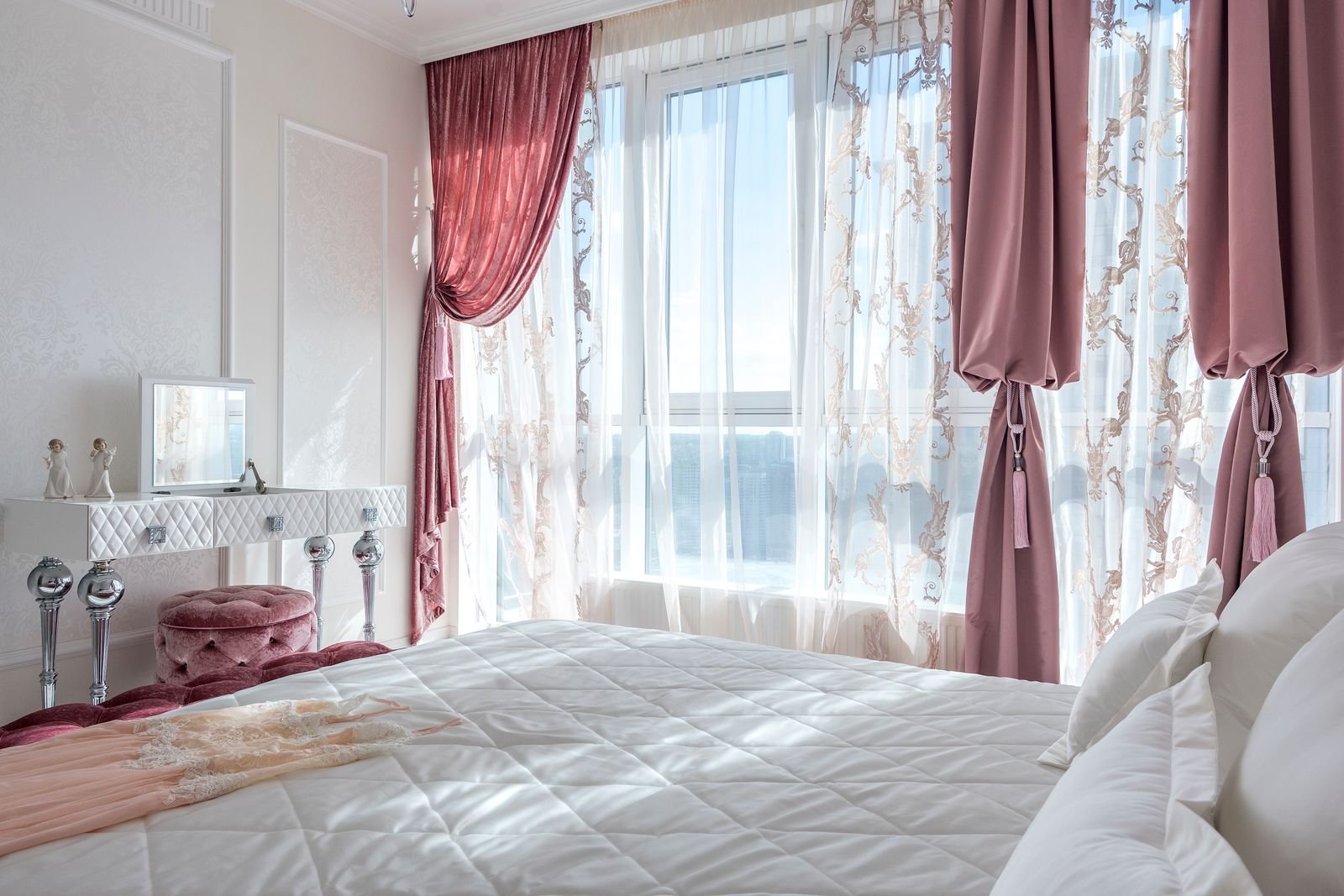
People assume a luxury bedroom needs square footage it doesn't have room for, but the bedrooms that actually read as high-end are usually specific rather than large. A handful of deliberate decisions — how the headboard is finished, how the sheets are woven, how far the drapery hangs — carry more weight than the size of the room they're in.
None of what follows requires moving walls. It's mostly a matter of choosing fewer things and finishing each one properly.
Start With an Upholstered Headboard
A headboard is the single largest object in most bedrooms, and it's the first thing a full-length view of the room lands on. An upholstered headboard in boucle, velvet or a heavier linen does more to set a luxury tone than any amount of styling around it. Size it to extend a few inches past the mattress on each side rather than matching the mattress width exactly — undersized headboards are one of the more common reasons a well-furnished bedroom still looks slightly off.
Channel tufting or a simple wingback shape both read as considered; a thin, unstructured panel headboard tends to look like an afterthought no matter the fabric.
Get the Bedding Weight Right
Thread count is mostly a marketing number past a certain point — weave matters more. A long-staple cotton percale feels crisp and hotel-like; sateen feels heavier and slightly glossy. Either works, but mixing a lightweight duvet insert with a heavy-looking cover reads cheap the moment someone sits on the bed. Match the insert's fill weight to how the room actually feels, and go slightly heavier than expected for a look that holds its shape instead of going flat.
Hang Drapery Floor-to-Ceiling
Short, wall-mounted curtains are one of the fastest ways to undercut an otherwise well-done bedroom. Mounting the rod close to the ceiling rather than just above the window frame, and letting the panels run to the floor or break slightly and pool, adds height to the whole room, not just the window.
Getting the proportions right
As a rough guide, panels should be roughly two to two-and-a-half times the width of the window when closed, so they hang with real fullness rather than looking stretched flat across the glass. A blackout liner behind a decorative fabric keeps the room functional without changing how the drapery looks from inside.
Design for Symmetry at the Bed
Unlike a casual bedroom, where mismatched nightstands can look intentionally relaxed, a luxury bedroom generally reads better with matching nightstands and lamps flanking the bed. Symmetry signals a planned room rather than one assembled piece by piece, and it's one of the clearest visual markers of a hotel-quality space.

Layer Light You Can Actually Dim
A single overhead fixture, no matter how nice the fixture itself is, flattens a bedroom. Layering matters more here than in almost any other room, because a bedroom needs to shift from bright and functional in the morning to low and warm at night.
- A pair of wall sconces flanking the headboard, freeing up nightstand surface and casting even, shadow-free light for reading.
- Warm dimmable bulbs (2200–2700K) throughout, since cool light undercuts a luxury feel faster than almost anything else in the room.
- One low ambient source — a floor lamp in a corner or an uplight — for evenings when overhead light isn't wanted at all.
Conceal the Ordinary
Luxury bedrooms tend to hide the same things: visible chargers and cords, an open laundry basket, a jumble of skincare on the dresser. A closed nightstand drawer for the charger, a lidded hamper instead of an open one, and a tray to corral anything left out on the dresser handle most of it without any real cost.
Common Mistakes That Undercut a Luxury Bedroom
- Choosing a headboard that's narrower than the bed, which reads as undersized no matter how nice the fabric is.
- Mixing cool-white and warm-white bulbs in the same room — the inconsistency is more noticeable than either temperature alone.
- Hanging curtains just above the window frame instead of near the ceiling, which shortens the whole wall visually.
- Leaving cords, chargers and everyday clutter visible on nightstands and dressers.
Frequently Asked Questions
What's the single highest-impact upgrade for a luxury bedroom?
An upholstered headboard sized correctly to the bed. It's the largest visual object in the room and does more to set the tone than bedding, art or lighting on its own.
Do luxury bedrooms need a neutral color palette?
No — neutral is common because it's easier to execute consistently, but a deep, saturated wall color or bedding tone can read just as luxurious as long as the materials and finishing are consistent throughout the room.
Is it worth buying a higher thread count if the budget is limited?
Not necessarily. A mid-range percale or sateen sheet in a genuine long-staple cotton usually feels better than an inflated thread-count sheet made from shorter fibers, which can feel stiff or pill quickly regardless of the number on the label.
More Ideas You May Like
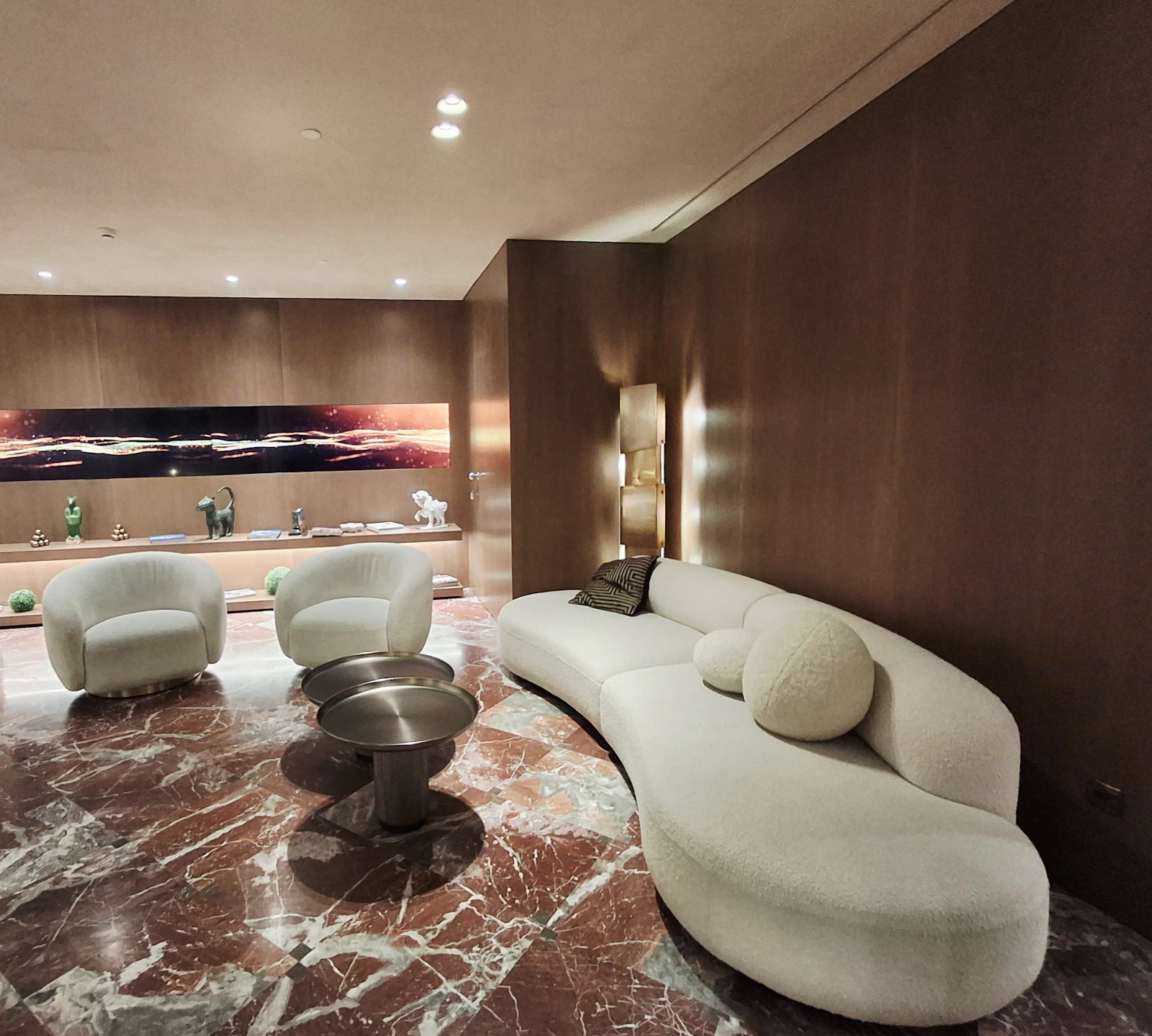
Luxury Home Decor Ideas That Don't Require a Renovation
A genuinely elevated home relies less on renovation than on a short list of material and lighting decisions applied consistently.
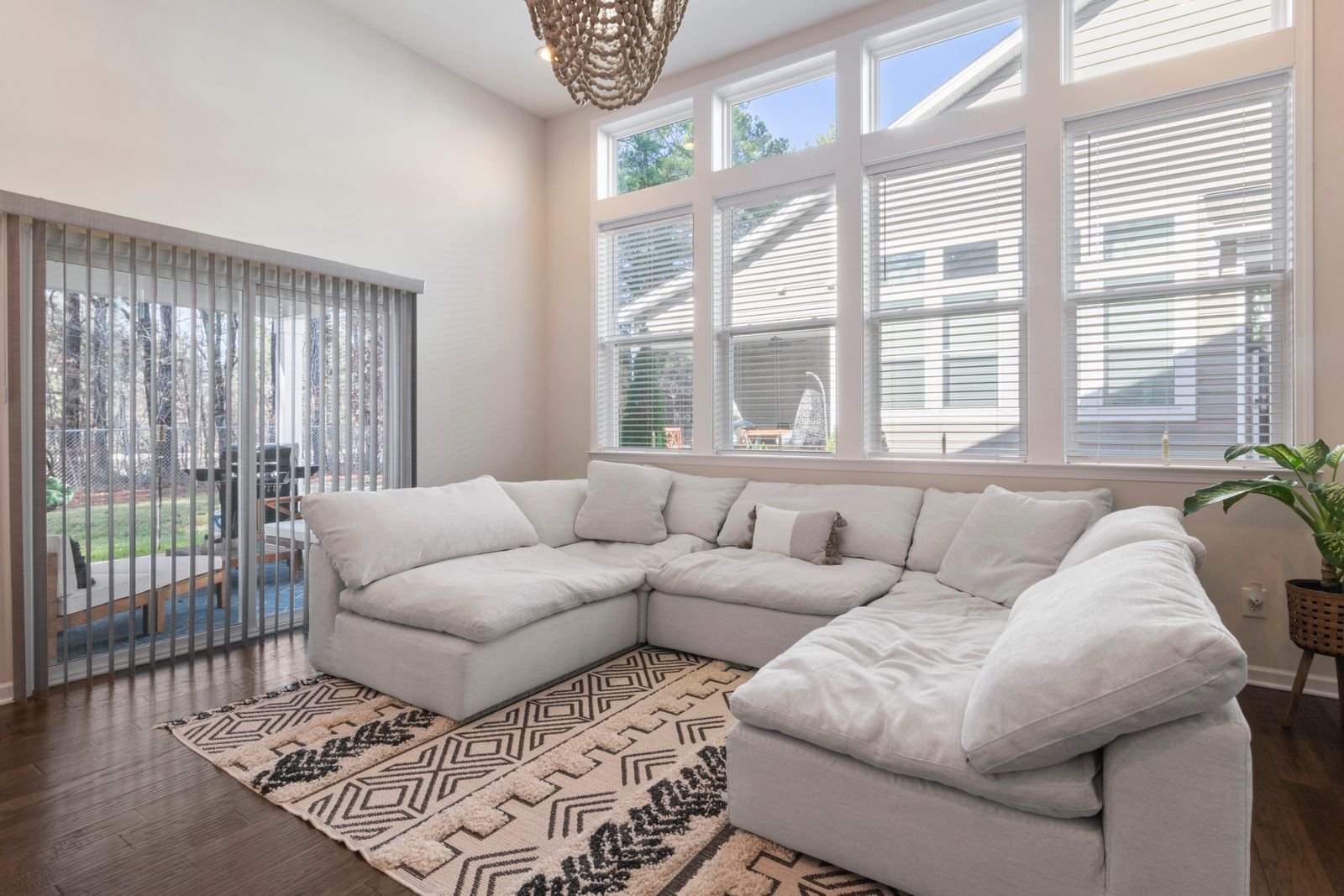
Luxury Living Room Ideas
Luxury living rooms are built on a few decisions repeated consistently — seating arranged for conversation, a coffee table styled with restraint, a layered rug.
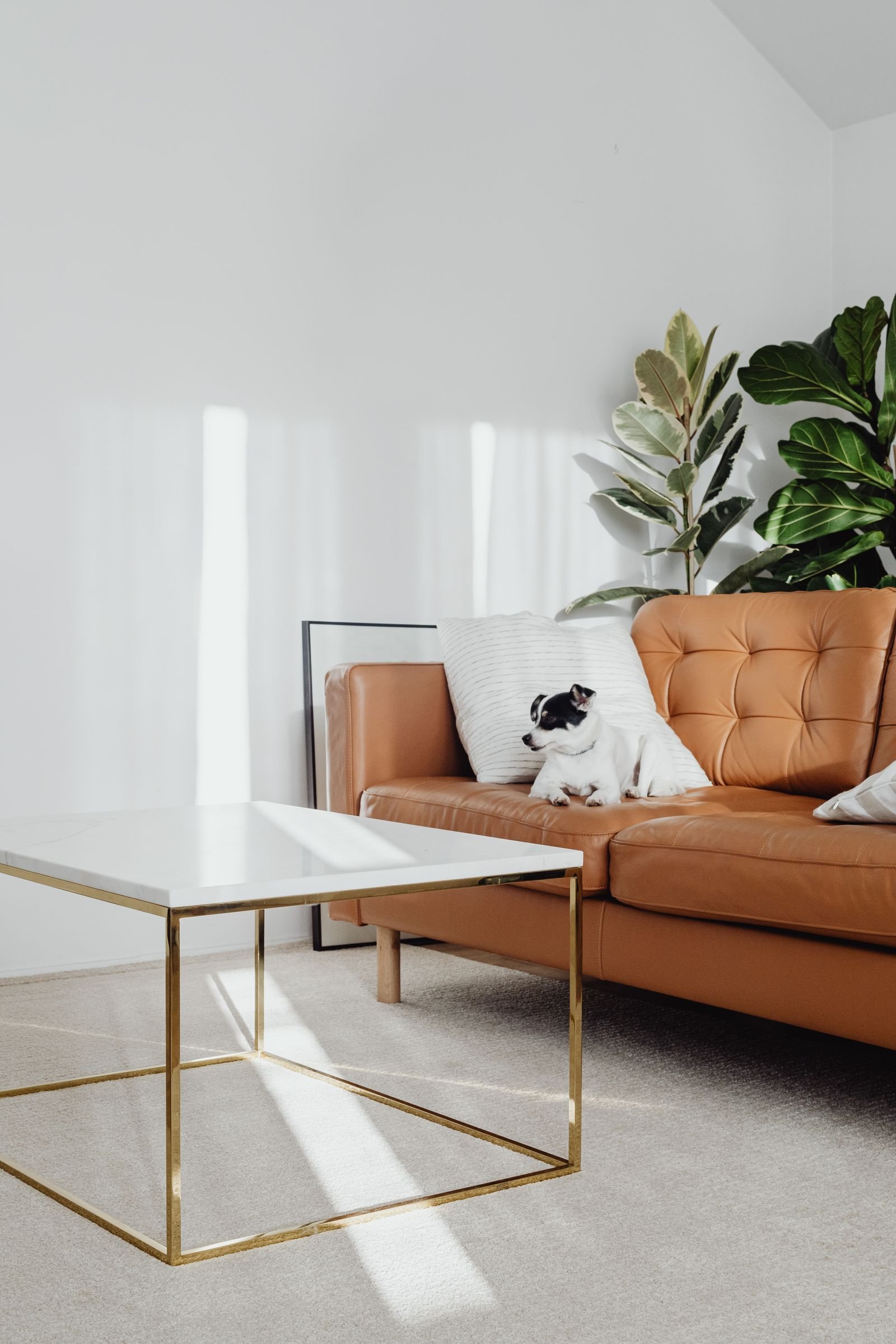
Dog-Friendly Living Room Ideas That Still Look Elegant
A living room can be dog-friendly and still look considered — it comes down to material choices more than giving anything up.

Affordable Wall Decor Ideas
One large print, a hung textile or a cluster of thrifted plates often does more for a wall, and costs less, than several small framed pieces.