
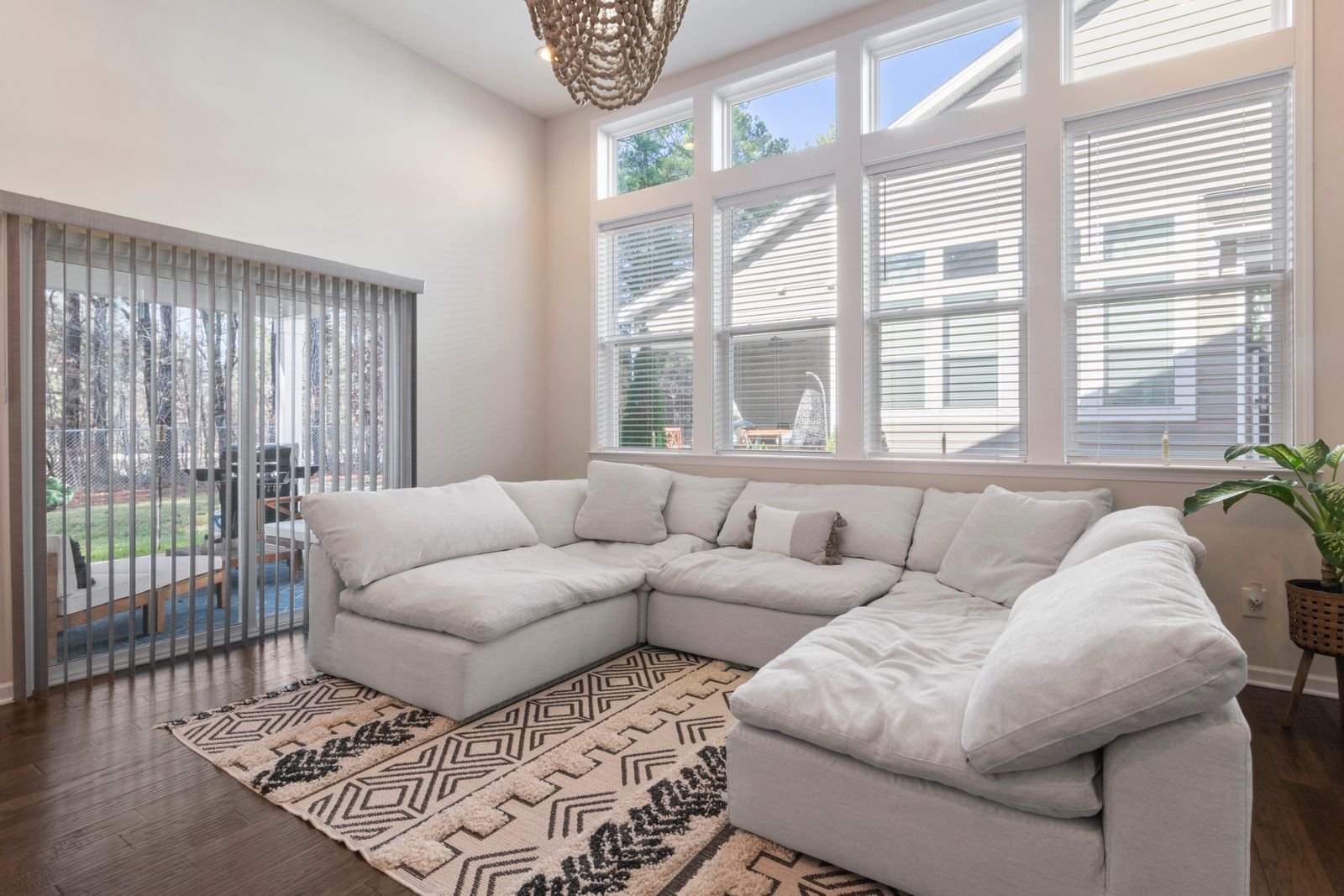
A luxury living room isn't just an expensive version of a normal one — it's usually arranged around a different priority. Most living rooms get organized around a television; a genuinely elevated one gets organized around conversation, with the TV accommodated rather than centered.
The specifics below matter more than any single expensive purchase, and most of them apply whether the room is 150 square feet or 500.
Arrange Seating for Conversation, Not Just the Television
Two sofas facing each other, or a sofa paired with two chairs at an angle, creates a room people actually sit and talk in — a layout every seat aimed at a screen doesn't. If the TV still needs to be visible from the main seating, mount it slightly off the primary sightline rather than making it the room's obvious focal point.
Layer Two Rugs Instead of One
A single wall-to-wall-feeling rug is the safe choice; layering a smaller, more refined rug — wool, silk-blend, or a bold pattern — over a larger flat-weave jute or sisal base is a technique that shows up constantly in higher-end rooms and almost never in budget ones. It adds visual depth and grounds the seating area without requiring one enormous, expensive rug.
Style the Coffee Table Like a Vignette
An empty coffee table looks unfinished; a coffee table covered edge to edge looks cluttered. The middle ground is a small, considered arrangement — usually odd numbers of objects at varied heights.
The tray trick
A single tray anchors smaller objects — candles, a small dish, a stack of books — so they read as one grouping instead of scattered items. It also makes the table easy to clear for actual use, which matters more in a living room than almost any other room in the house.
- A stack of two or three substantial books, spine out or stacked flat, topped with one small object.
- A low candle or ceramic dish, off to one side rather than centered.
- One organic element — a small branch, a single stem, a piece of stone — for texture against the tray's hard surface.
Choose Upholstery for How It Drapes, Not Just the Color
Velvet, boucle and a heavier linen blend all fold and drape differently than a flat, synthetic weave, and that difference is visible from across the room even before anyone touches the fabric. Performance fabrics have improved enough that durability no longer has to mean a flatter, more plastic-feeling finish — it's worth asking for a swatch and checking how it folds before committing to a large piece.

Treat the Mantel or Console as a Focal Point
Whatever wall the eye naturally lands on when entering the room deserves the most restraint, not the most decoration. A mantel or console with one substantial piece — a large mirror, a piece of art, a sculptural object — flanked by simple, lower elements on either side reads more considered than a surface filled with many smaller things.
Common Mistakes in Luxury Living Rooms
- Centering the entire layout on the television instead of the seating arrangement.
- Choosing a rug too small for the seating group — luxury rooms almost always err toward a larger rug, not a smaller one.
- Covering every surface with candles, frames and objects until nothing has room to be noticed individually.
- Mixing metal finishes inconsistently across lighting, hardware and furniture legs within the same room.
Frequently Asked Questions
Is a layered rug worth it in a smaller living room?
Yes, as long as the base rug is sized to the room and the top rug is noticeably smaller — even in a compact room, the contrast in texture and scale reads as intentional rather than crowded.
What upholstery holds up best in a living room that gets daily use?
A tightly woven performance velvet or a high-durability boucle blend generally holds up well while still draping better than a flat synthetic weave, making it a reasonable middle ground between looks and everyday wear.
How many seats should a luxury living room have?
Enough for the household plus a few guests comfortably, arranged for conversation rather than maximized for capacity — an over-furnished room with too many seating pieces tends to undercut the calm, edited look luxury rooms rely on.
More Ideas You May Like
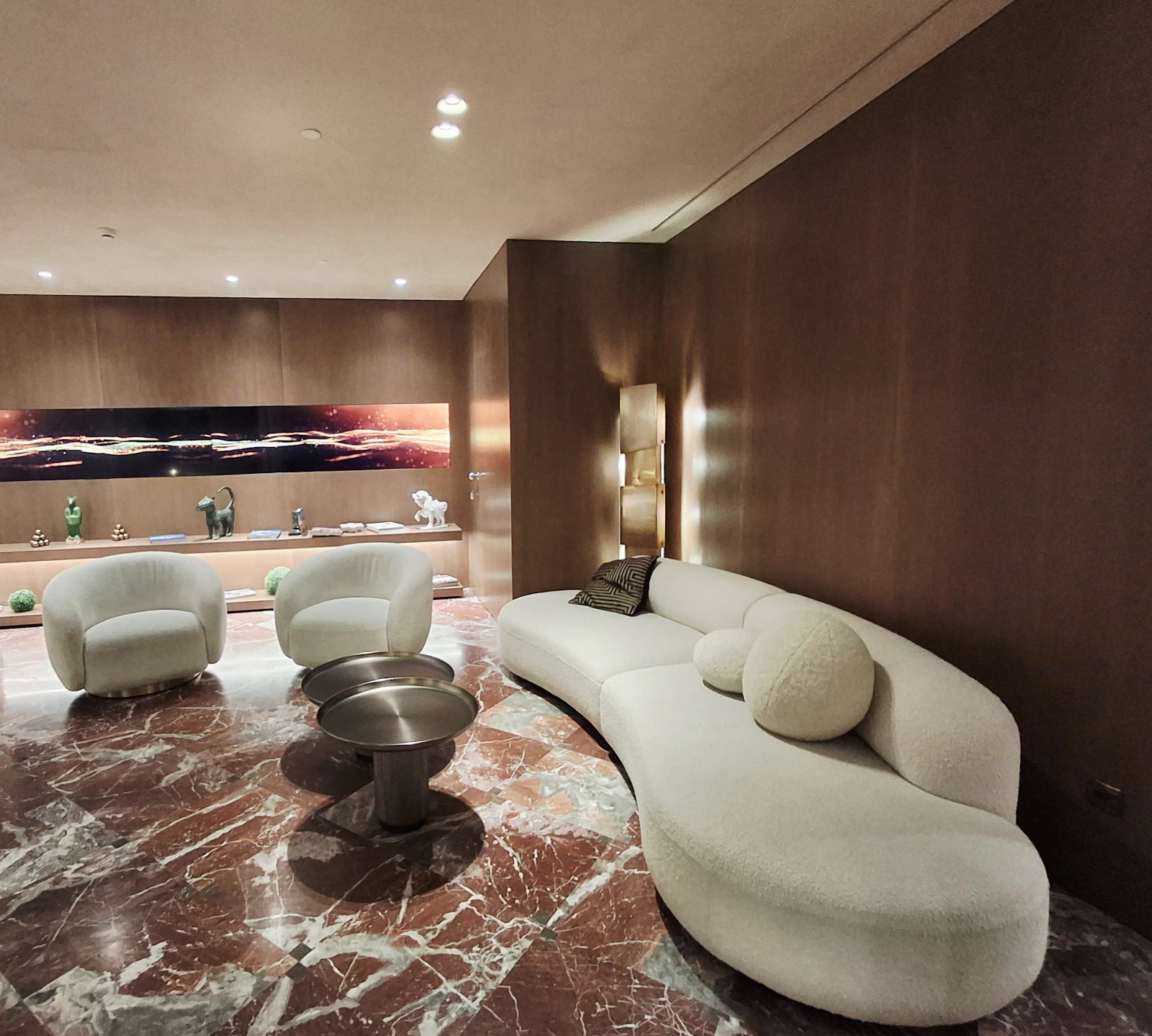
Luxury Home Decor Ideas That Don't Require a Renovation
A genuinely elevated home relies less on renovation than on a short list of material and lighting decisions applied consistently.
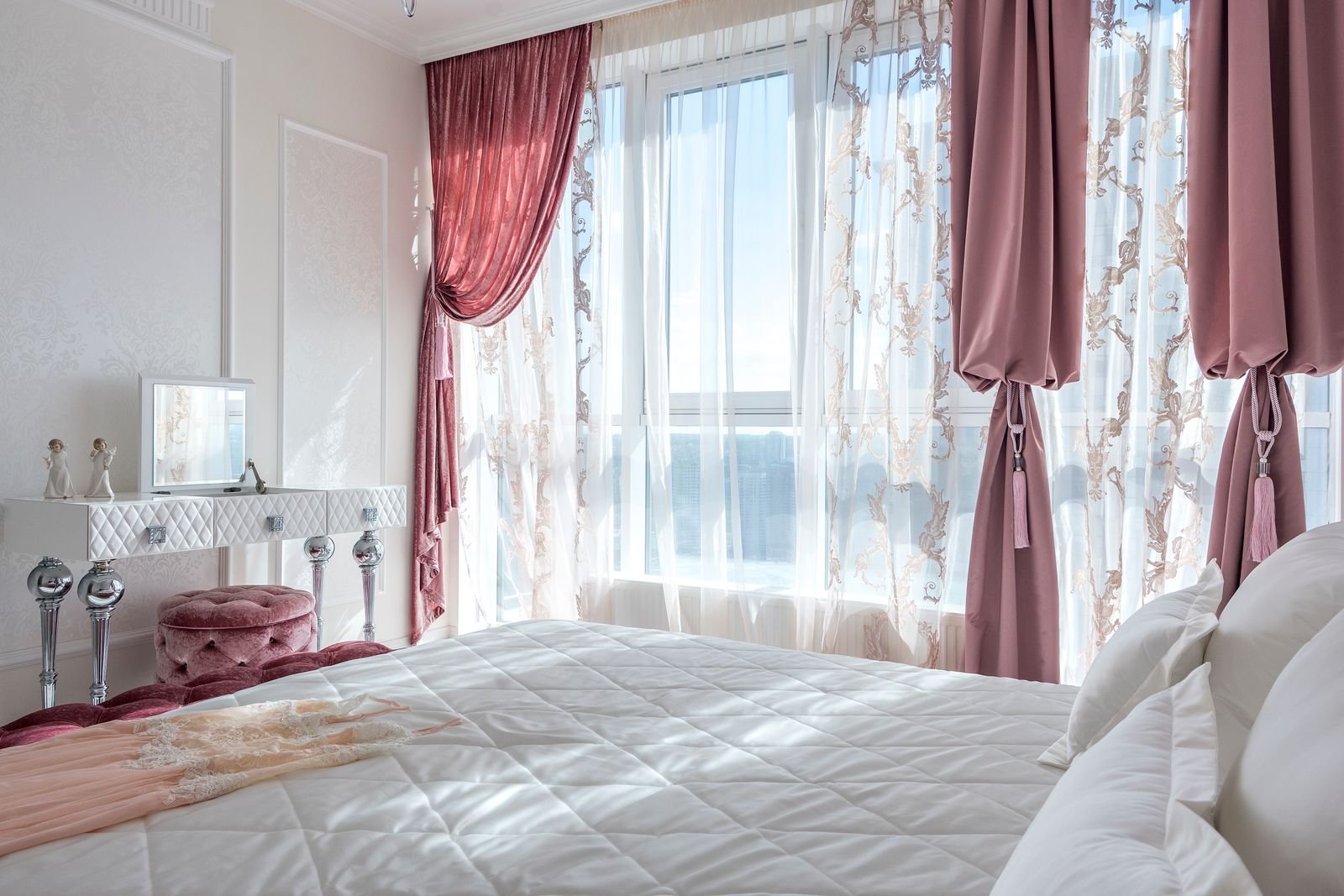
Luxury Bedroom Ideas
A genuinely luxurious bedroom comes down to a handful of specific decisions — bedding weight, symmetry, drapery length and light you can actually control.
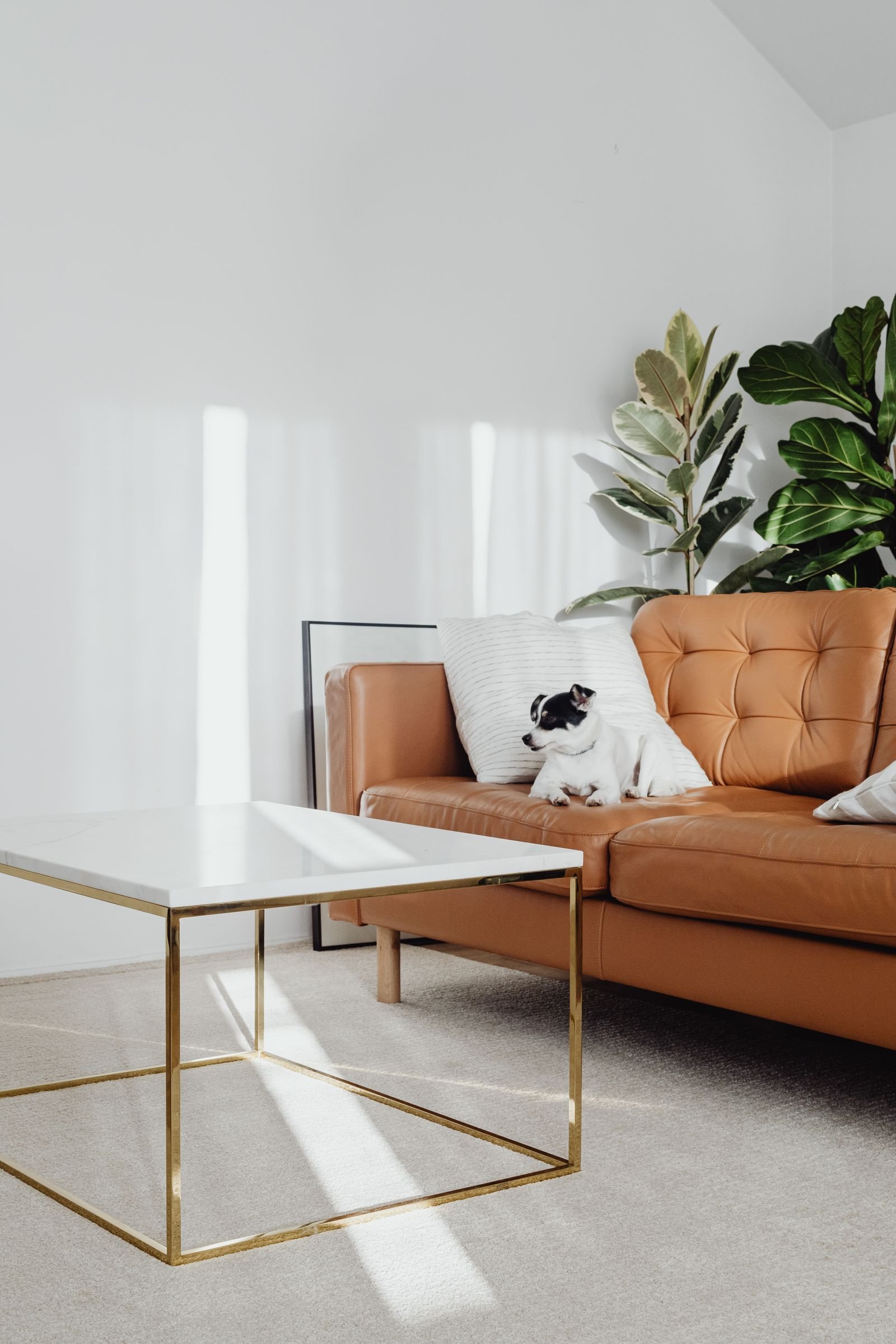
Dog-Friendly Living Room Ideas That Still Look Elegant
A living room can be dog-friendly and still look considered — it comes down to material choices more than giving anything up.
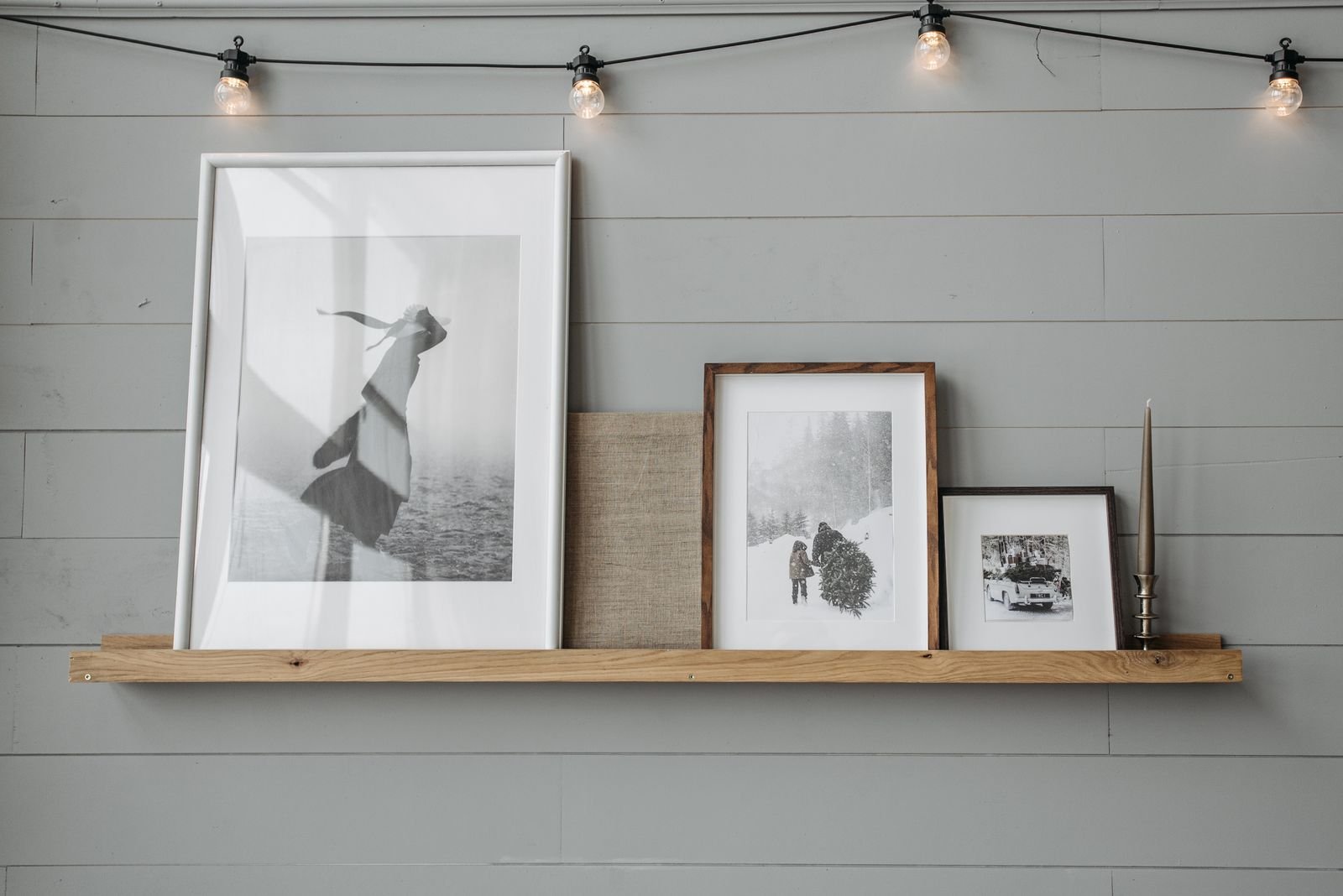
Affordable Wall Decor Ideas
One large print, a hung textile or a cluster of thrifted plates often does more for a wall, and costs less, than several small framed pieces.