
Small room advice tends to split into two camps: people who say buy the right furniture and stop worrying about tricks, and people who say hang a mirror and you're done. Both are half right. Furniture scale and layout matter most, but once those are sorted, there's a real, second layer of optical fixes that make a technically well-laid-out small room read as more spacious than its square footage suggests.
None of what follows will fix a room where the couch is jammed against the door. It's for the room that's already laid out sensibly and still feels tighter than it should.
Place a Mirror to Reflect Light, Not Just a Wall
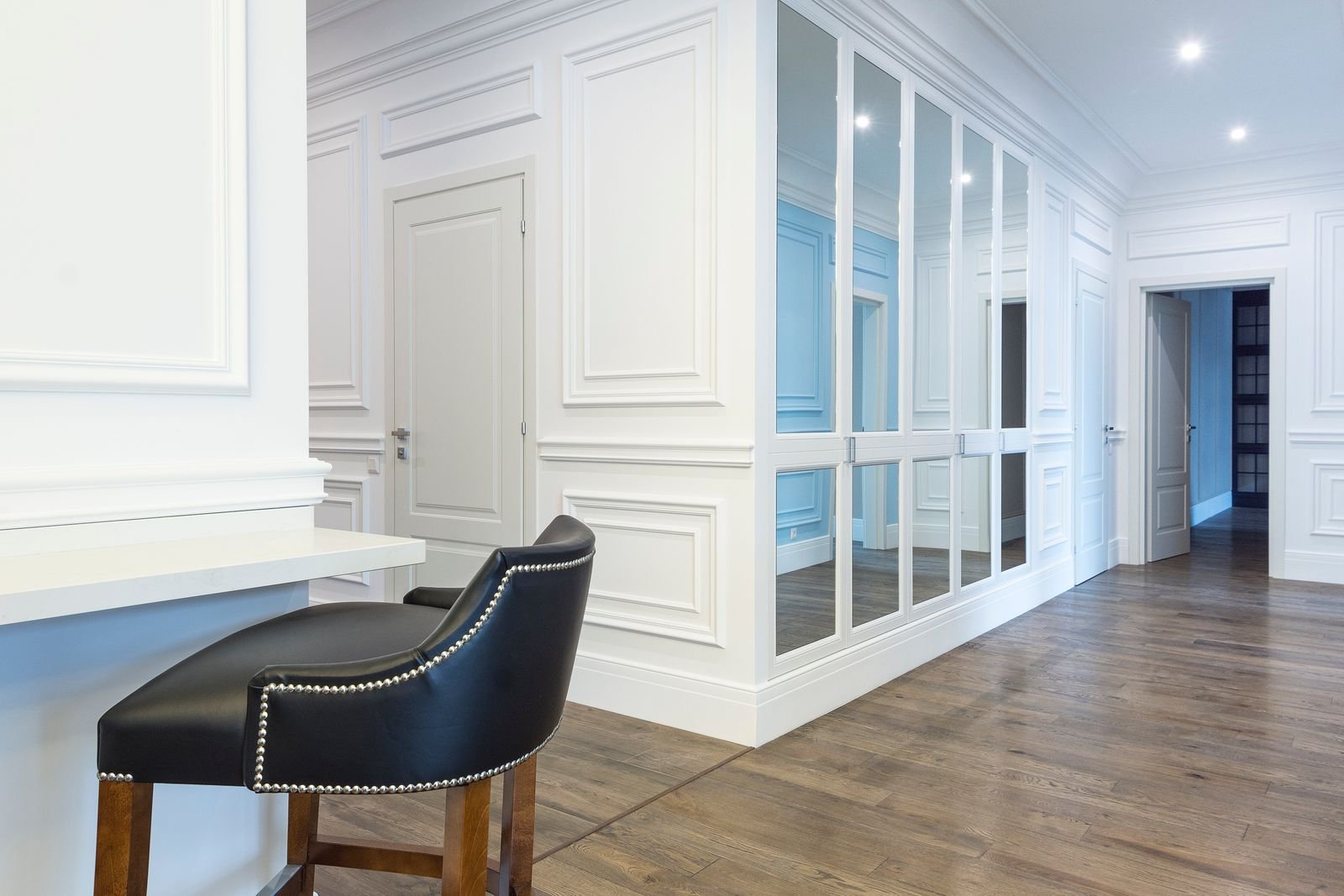
A mirror facing a blank wall doubles the wall. A mirror facing a window doubles the light and the view, which is the version that actually makes a room feel bigger. Position a large mirror directly across from or at an angle to the main window, and check what it reflects at eye level before hanging it — a mirror that reflects the back of a bookshelf is wasted.
Keep the Sightline From the Doorway Clear
The first few feet of a room, seen from the doorway, sets the impression for the whole space. If the tallest, bulkiest piece of furniture is the first thing visible on entry, the room reads small immediately, even if the far side is open and airy. Where possible, arrange the room so the lowest, lightest pieces are nearest the door and anything taller is toward the back or sides.
Check the view through to the next room too
If a small room opens onto a hallway or another room, an unobstructed sightline between the two makes both spaces feel connected and larger than either measures on its own. A tall cabinet or shelving unit placed right in that sightline cuts the visual flow off at the doorway.
Mount Curtains High and Wide, Not at the Window Frame
Hanging curtain rods 4 to 6 inches above the actual window frame, and extending them a few inches past each side, makes the window itself look larger and pulls the eye upward along the wall. Curtains hung directly on the window frame do the opposite — they visually shrink the window and, by extension, the wall it's on.
Keep the Floor Visually Continuous
A rug that stops well short of the walls, paired with flooring in a noticeably different tone underneath, breaks the floor into visual segments — and a broken-up floor reads smaller than a continuous one, the same way a broken-up wall does. Where possible, keep flooring material and tone consistent from a small room into adjoining spaces, and size rugs to minimize how much contrasting floor shows around the edges.
- Use one flooring tone across small, connected rooms rather than switching materials at every doorway.
- Size an area rug so it extends under the front legs of major furniture, not floating in the middle with a wide border of bare floor.
- Skip high-pile or dark rugs in a small room if the floor beneath is light — the contrast reads as a visual stop rather than a continuation.

Limit Wall Color Changes
Painting trim, walls and even the ceiling the same or a very close color removes the visual stops that a contrasting trim color creates. It's a more dramatic look than most people expect from 'painting a room one color,' but in a genuinely small room it removes the lines the eye uses to measure the space, which is often exactly what makes it feel more expansive.
Common Mistakes When Trying to Make a Room Feel Bigger
- Hanging a mirror somewhere it reflects clutter or a wall corner instead of light or a view.
- Choosing a large-scale, busy pattern for curtains or a rug, which adds visual weight rather than removing it.
- Leaving a rug too small, creating a moat of mismatched bare floor around the furniture.
- Painting only an accent wall a dark color in an already small room, which can visually shrink that wall rather than adding depth.
Frequently Asked Questions
Do mirrors actually make a small room look bigger, or is that a myth?
They genuinely help, but placement matters more than the mirror itself. A mirror angled to reflect a window or an open sightline adds real light and depth; one facing a blank wall or clutter does very little.
What color makes a small room look biggest?
There's no single required color, but keeping walls, trim and ceiling close in tone — light or mid-tone rather than high-contrast — tends to remove visual breaks and read more spacious than a room with white walls and dark, contrasting trim.
Should curtains be light or dark in a small room?
Light and lightweight generally helps more, mainly because it lets more daylight through, but a curtain's placement, hung high and wide, usually matters more for the room's proportions than its exact color.
More Ideas You May Like
Small Bathroom Ideas That Feel Bigger
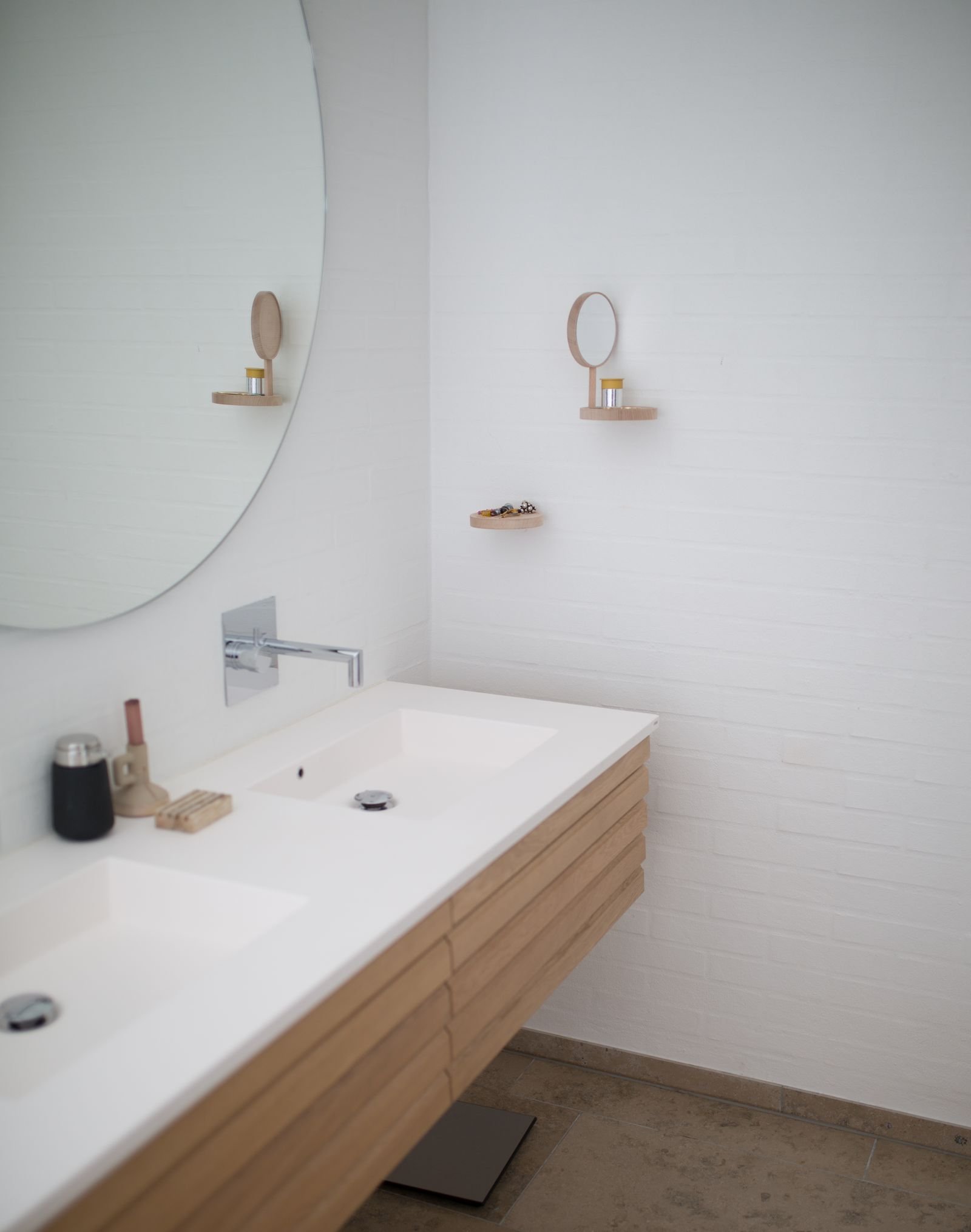
A small bathroom feels bigger through sightlines and reflected light — a clear shower curtain, a floating vanity and a mirror sized to the wall, not the sink.
Small Apartment Decor Ideas
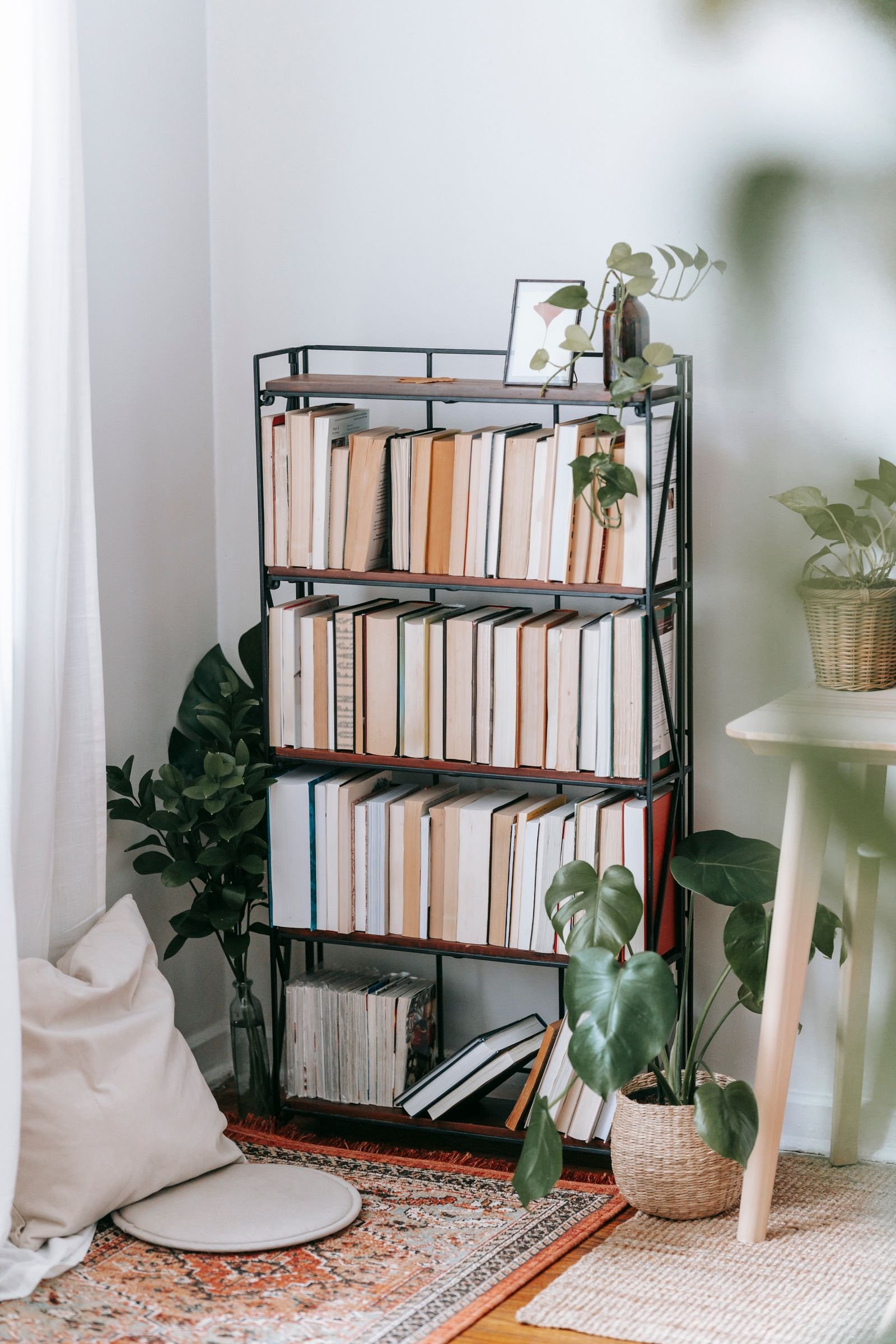
Small apartment decor is less about clever gadgets and more about giving one open room clear zones through rugs, lighting and furniture that pulls double duty.
Dog-Friendly Living Room Ideas That Still Look Elegant
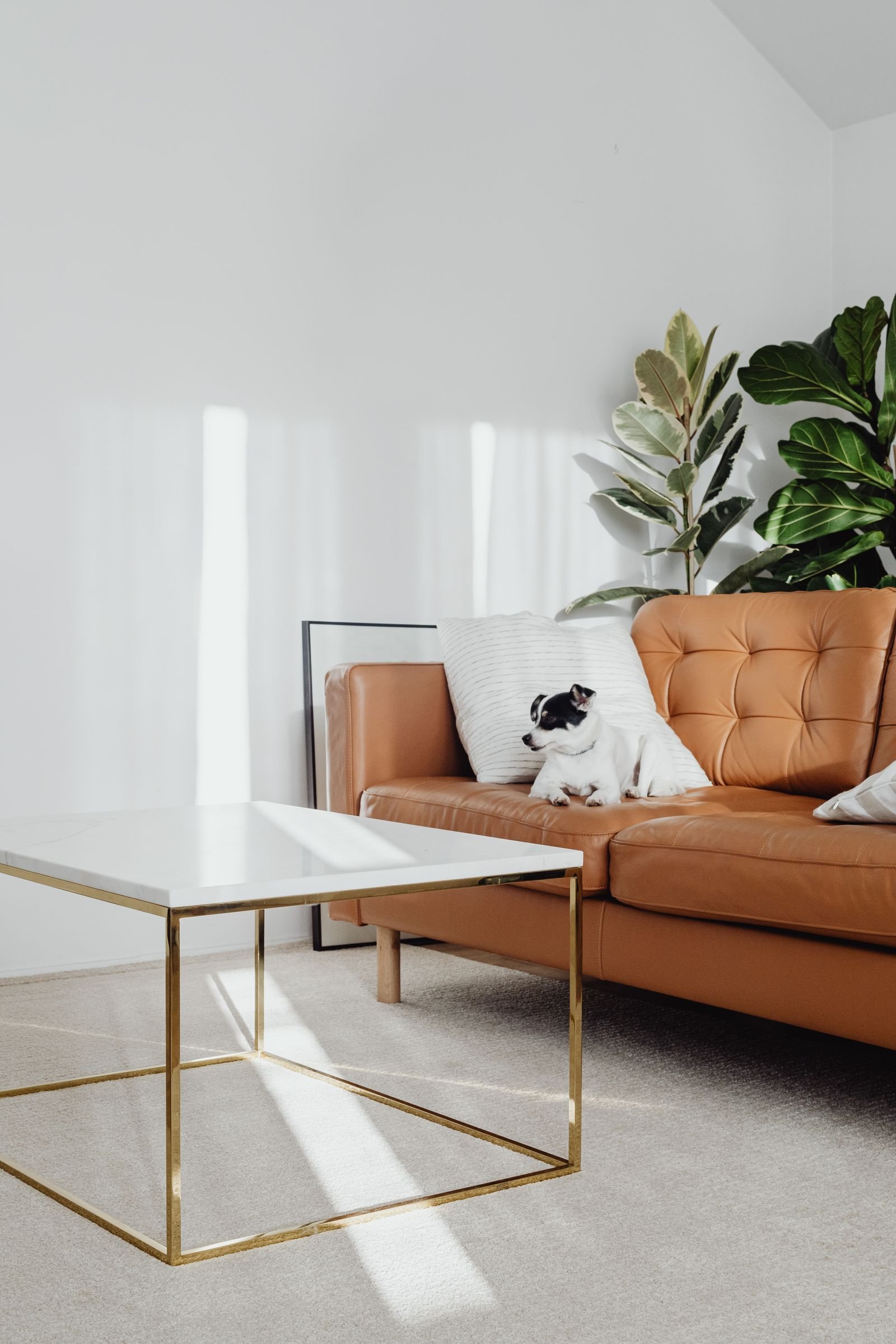
A living room can be dog-friendly and still look considered — it comes down to material choices more than giving anything up.
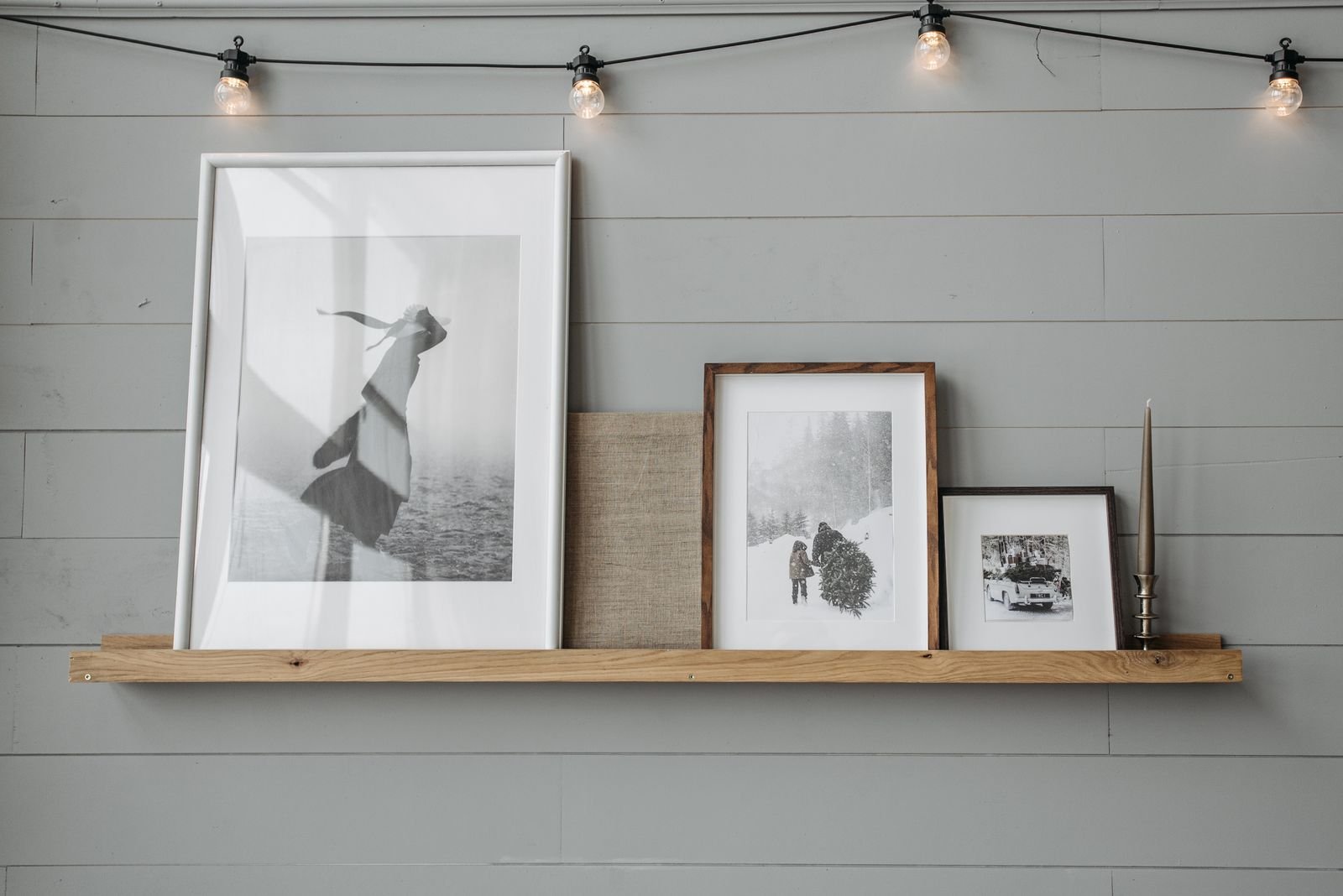
Affordable Wall Decor Ideas
One large print, a hung textile or a cluster of thrifted plates often does more for a wall, and costs less, than several small framed pieces.