
Most small apartment advice assumes you're decorating a single room. The actual challenge is usually that one open space has to be a living room, office, dining room and sometimes a bedroom at the same time, and none of the boundaries are architectural — they're ones you have to create yourself.
The apartments that pull this off aren't the ones with the most clever gadgets. They're the ones where each zone has a clear job and the whole space still reads as one considered room instead of four crammed-together ones.
Define Zones Without Building Walls
A rug is the fastest way to draw an invisible boundary. Put one under the seating area and stop it before the desk or dining table starts, and the apartment reads as having two distinct zones even in one open room. A second, related rug for another zone reinforces the split without needing a wall.
Lighting does the same job. A floor lamp near the sofa and a pendant or desk lamp over a work area create two lighting moods in one space, which does more to separate 'living room' from 'home office' than furniture placement alone.
Let Furniture Cover Two Jobs, Not Just One
In a full-size apartment, a console table and a desk can be two different pieces. In a studio, one narrow console that works as both a desk against the wall and a console behind the sofa saves an entire piece of furniture's worth of floor space. Look specifically for furniture described as doing two jobs, not furniture you're hoping will multitask by accident.
- A storage ottoman that serves as coffee table, extra seating and a place to stash blankets.
- A daybed instead of a sofa if the apartment occasionally needs to sleep a guest.
- A drop-leaf or extendable table that stays small day-to-day and expands for the rare dinner with more than two people.
- A bed with drawers built into the frame instead of a separate dresser, in a studio where floor space around the bed is tight.
Skip furniture that only works one way
A coffee table with a fixed solid top and no storage, in a studio apartment, is a missed opportunity — the same footprint with a lift-top or open shelf underneath does real work instead of just sitting there.
Use Vertical Space the Walking Path Can't Take
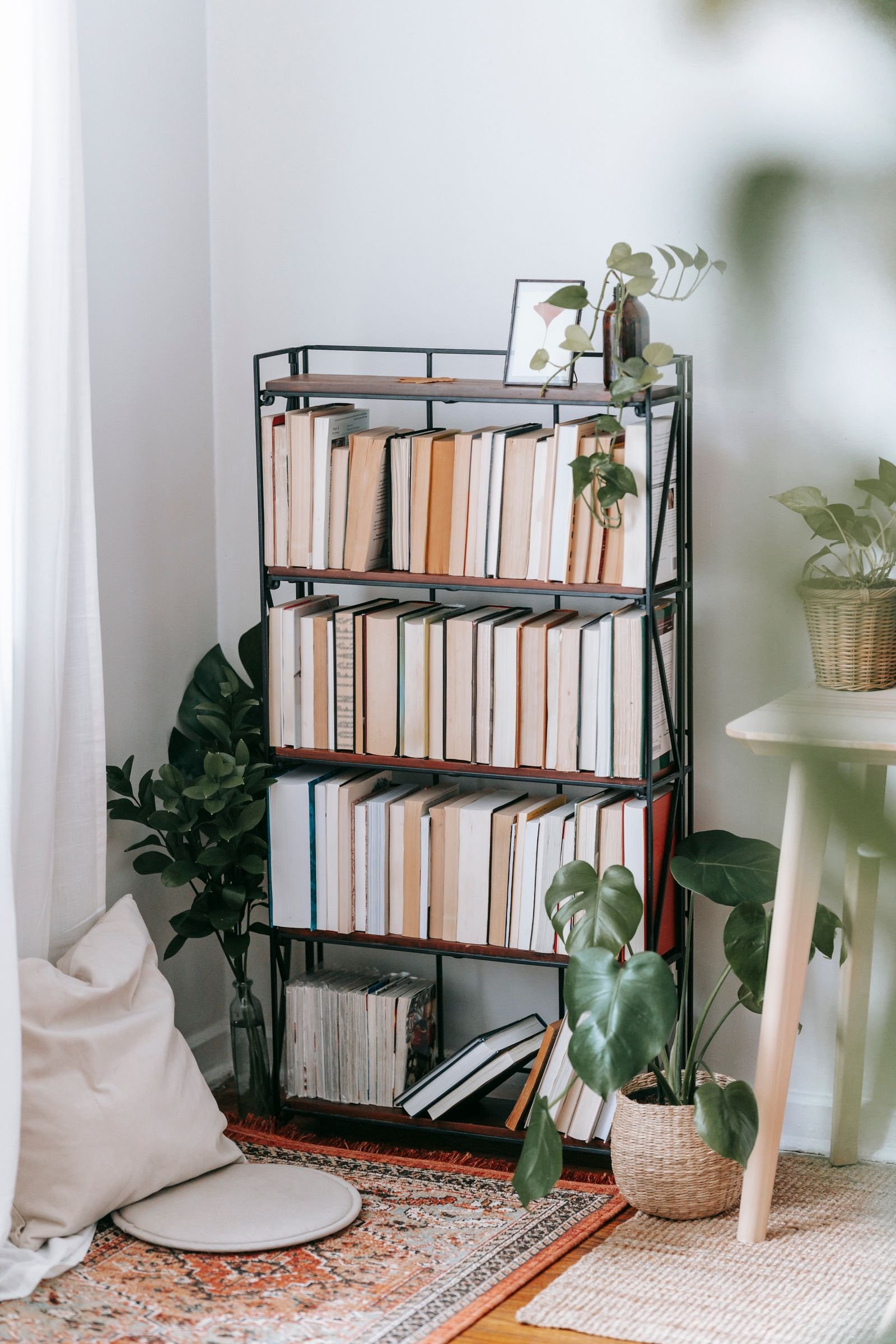
Floor space in a small apartment is finite, but wall space above about four feet usually isn't being used at all. Tall, narrow bookshelves, wall-mounted cabinets, and a few well-placed hooks near the door move storage up and off the floor without shrinking the room you can actually walk through.

Keep the Palette Consistent Across Zones
When one room is doing the work of three or four, visual consistency matters more than it would in a house with actual doors between spaces. Repeating the same two or three colors and one or two materials across the 'living room,' 'office' and 'dining' zones keeps the apartment from feeling like it's made of mismatched furniture that happened to end up in the same box.
Common Small Apartment Decorating Mistakes
- Buying furniture zone by zone without a shared color or material plan, which makes an open apartment look chopped up.
- Skipping a curtain or room divider between a sleeping area and the rest of a studio, leaving no visual break at all.
- Overloading the entry or kitchen counter as a catch-all because there's no dedicated drop zone.
- Choosing floor lamps and rugs so large they block the exact zone boundary they're meant to create.
Frequently Asked Questions
How do I make a studio apartment feel like it has separate rooms?
Rugs, lighting and a room divider or curtain do most of this work. Even a slim bookshelf placed perpendicular to a wall can visually split a sleeping area from a living area without losing floor space to an actual wall.
Is it worth buying a room divider for a studio?
Often, yes — a folding screen, a curtain on a ceiling track, or an open-backed bookshelf can separate a sleeping or work zone from the rest of the apartment for less than a hundred dollars, and it's reversible if you move.
What's the best multi-use furniture for a small apartment?
A storage ottoman and a drop-leaf or extendable table tend to earn their space fastest, since they solve a daily problem — seating, surface area — and an occasional one, like extra storage or guests, with a single piece.
More Ideas You May Like
How to Make a Small Room Look Bigger
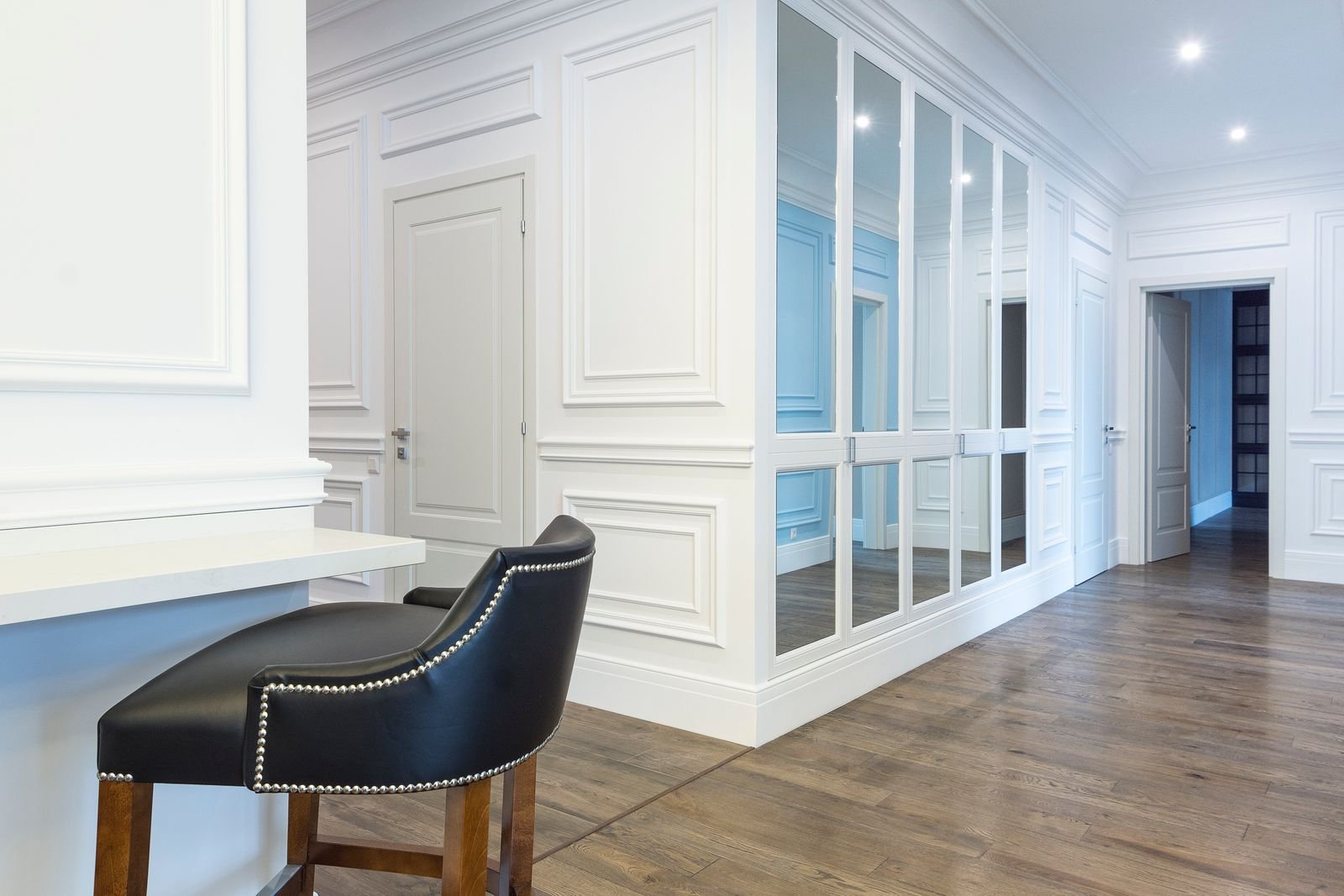
Once furniture and layout are sorted, mirror placement, sightlines and floor continuity are what actually make a small room read as bigger than it is.
Small Bathroom Ideas That Feel Bigger
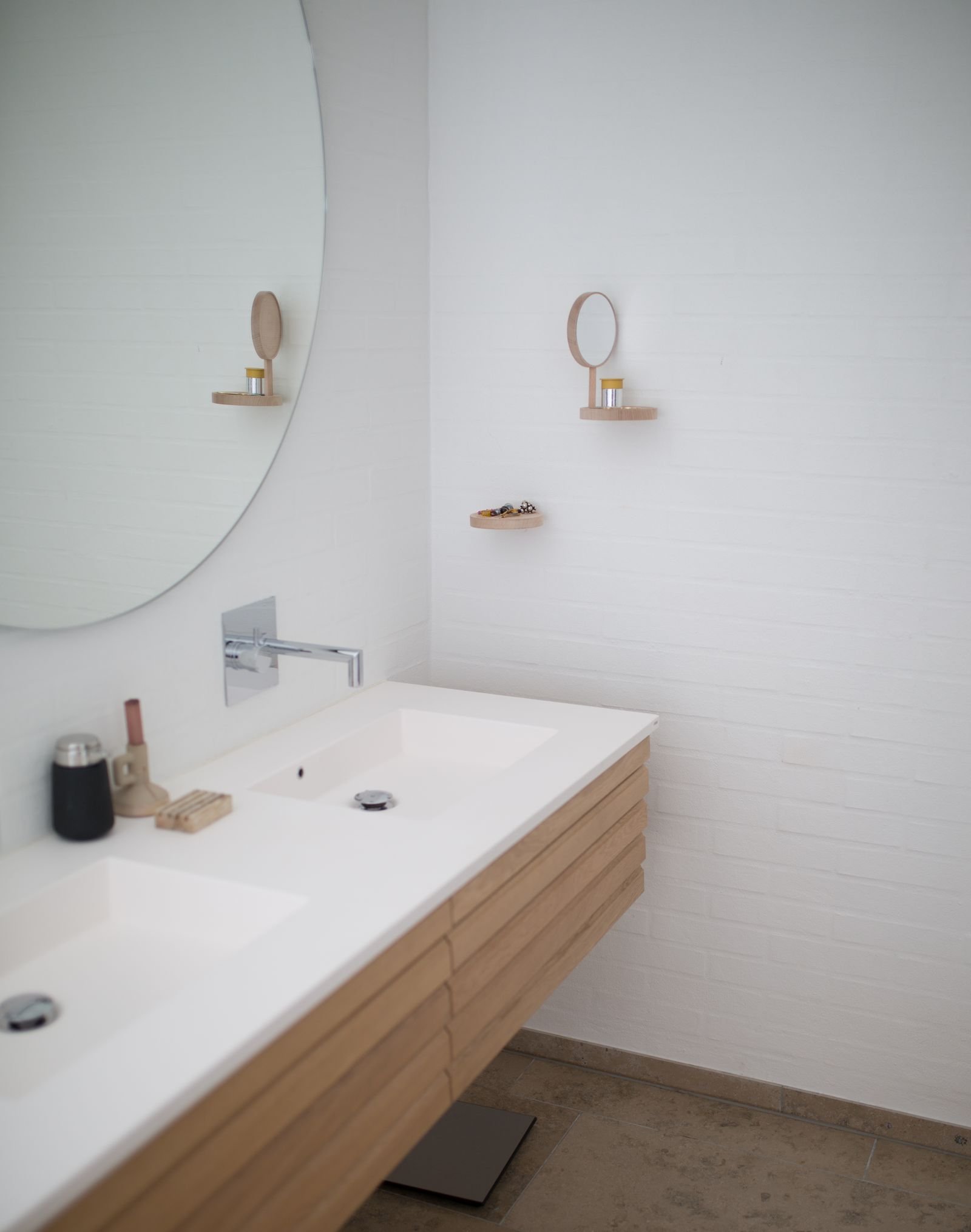
A small bathroom feels bigger through sightlines and reflected light — a clear shower curtain, a floating vanity and a mirror sized to the wall, not the sink.
Dog-Friendly Living Room Ideas That Still Look Elegant
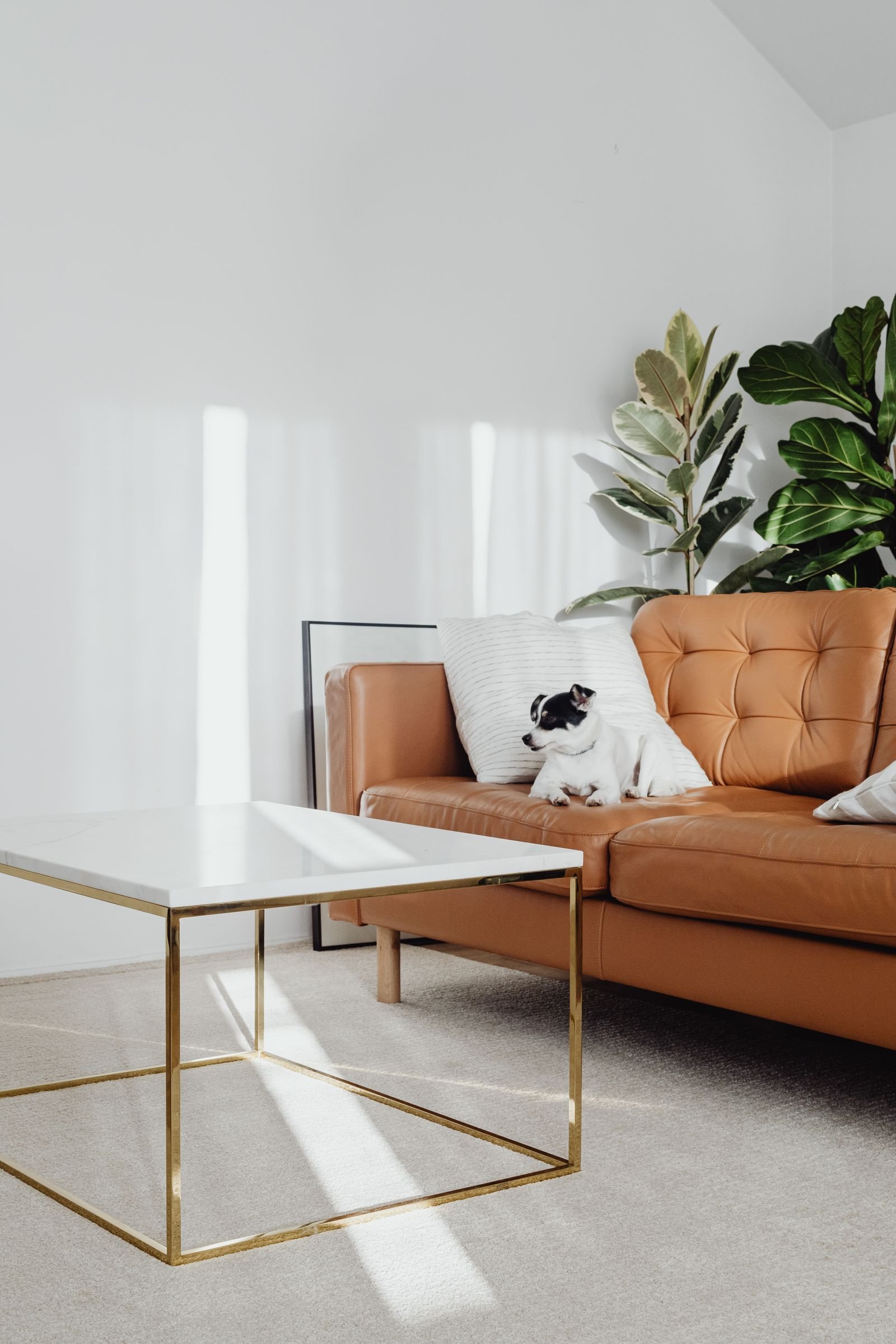
A living room can be dog-friendly and still look considered — it comes down to material choices more than giving anything up.
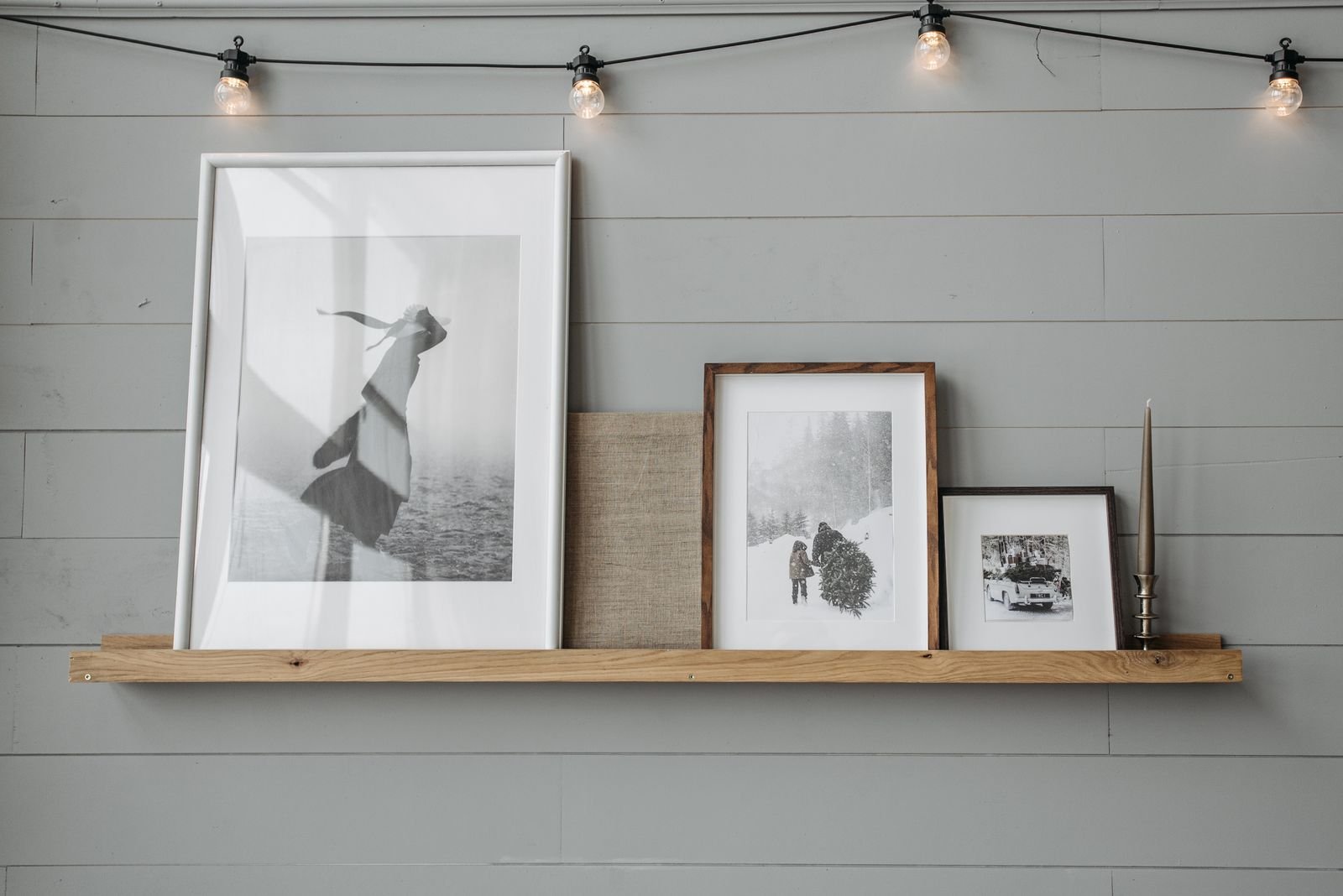
Affordable Wall Decor Ideas
One large print, a hung textile or a cluster of thrifted plates often does more for a wall, and costs less, than several small framed pieces.