
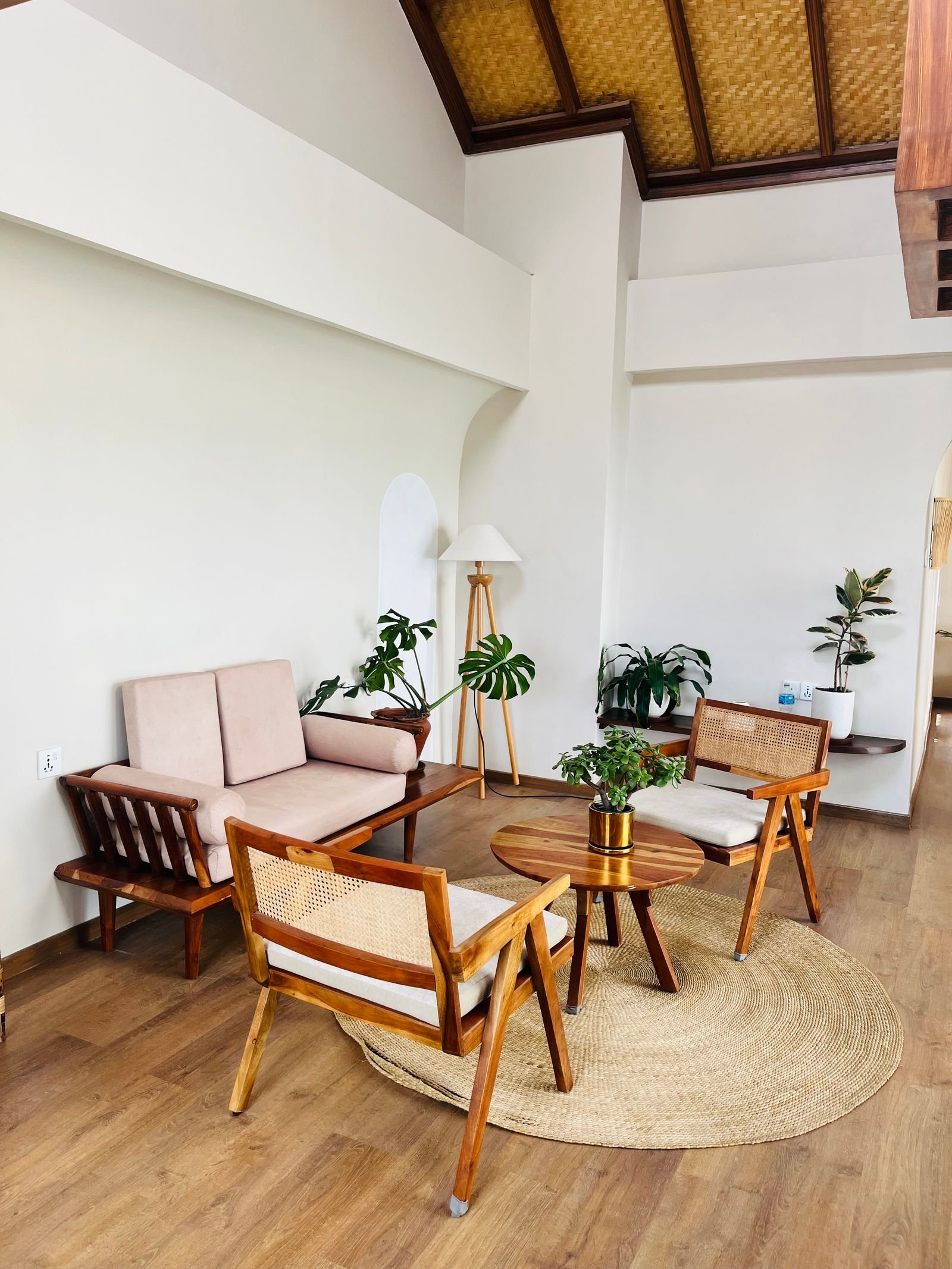
Boho is probably the most commonly done badly of any style on this list, because 'more is more' gets used as an excuse to skip the actual decision-making. Good boho rooms are layered and eclectic, but every layer is chosen — it's closer to careful curation than it looks.
Pick a Color Story Before Adding Pattern
Boho rooms mix a lot of pattern and texture, which only works if there's an underlying color logic holding it together — usually warm, earthy tones (terracotta, rust, mustard, deep green) rather than a totally random assortment. Choose three or four colors up front and let every pattern and textile pull from that same range.
Layer Textiles Deliberately
A boho room typically has more textiles than a minimalist or modern one — layered rugs, floor cushions, a woven wall hanging, patterned throw pillows — but they're layered with some restraint, not just accumulated. A useful check: if you removed any single textile, would the room still feel complete? If yes, that item might be excess rather than layering.
Bring in Natural, Handmade Materials
Rattan, jute, macrame, unglazed ceramics and raw wood are core to the look — mass-produced, glossy or synthetic pieces work against it even if the shape or color is right. This is one of the more material-dependent styles on this list.
Let Plants Do Real Structural Work
Boho rooms lean heavily on live plants, not just as decor but as a way to add height, texture and an organic shape that balances out the pattern-heavy textiles. A few larger plants tend to work better structurally than many small ones scattered around.
Mix Eras, Not Just Patterns
Part of what separates a considered boho room from a themed one is a mix of eras — a vintage rug found secondhand, a newly made rattan chair, a piece of art picked up while traveling. Buying an entire boho look from one source at one time tends to read as a costume rather than a collected space. The style works best when it actually looks accumulated over time, even if some of that accumulation happens faster than it would naturally.
Secondhand and vintage shops are worth checking before new-furniture retailers for exactly this reason — a piece with some wear and history fits the style's collected feel in a way a brand-new equivalent rarely does, even if the shapes are similar.
Give Lighting a Handmade Quality
Rattan or woven pendant shades, a stack of low floor lamps instead of a single overhead fixture, string lights woven through a shelf — boho lighting tends to be layered and textural rather than sleek. A single stark, minimalist fixture usually looks out of place in an otherwise warm, pattern-rich room, so it's worth carrying the handmade material language through the lighting as well as the textiles.
Common Boho Mistakes
- Adding pattern and texture without an underlying color story, which tips the room into visual noise.
- Filling every surface, leaving no negative space for the eye to rest — even boho rooms need some breathing room.
- Using synthetic, mass-produced versions of naturally-textured pieces, which undercuts the handmade quality the style depends on.
- Treating boho as an excuse to skip editing — it still benefits from removing the weakest items, not just adding more.
Frequently Asked Questions
How is boho different from just 'maximalist' decorating?
Boho has a specific material and color vocabulary — natural fibers, earthy tones, handmade textures — while maximalism is a broader approach that can include much bolder colors, mixed eras and higher-contrast patterns. Boho is one flavor of maximalism, not a synonym for it.
What's the fastest way to tone down a boho room that feels too busy?
Remove items rather than add them. Pick the three or four textiles or objects doing the most visual work, and store or donate anything competing with them for attention — especially patterns in a similar scale to each other.
More Ideas You May Like
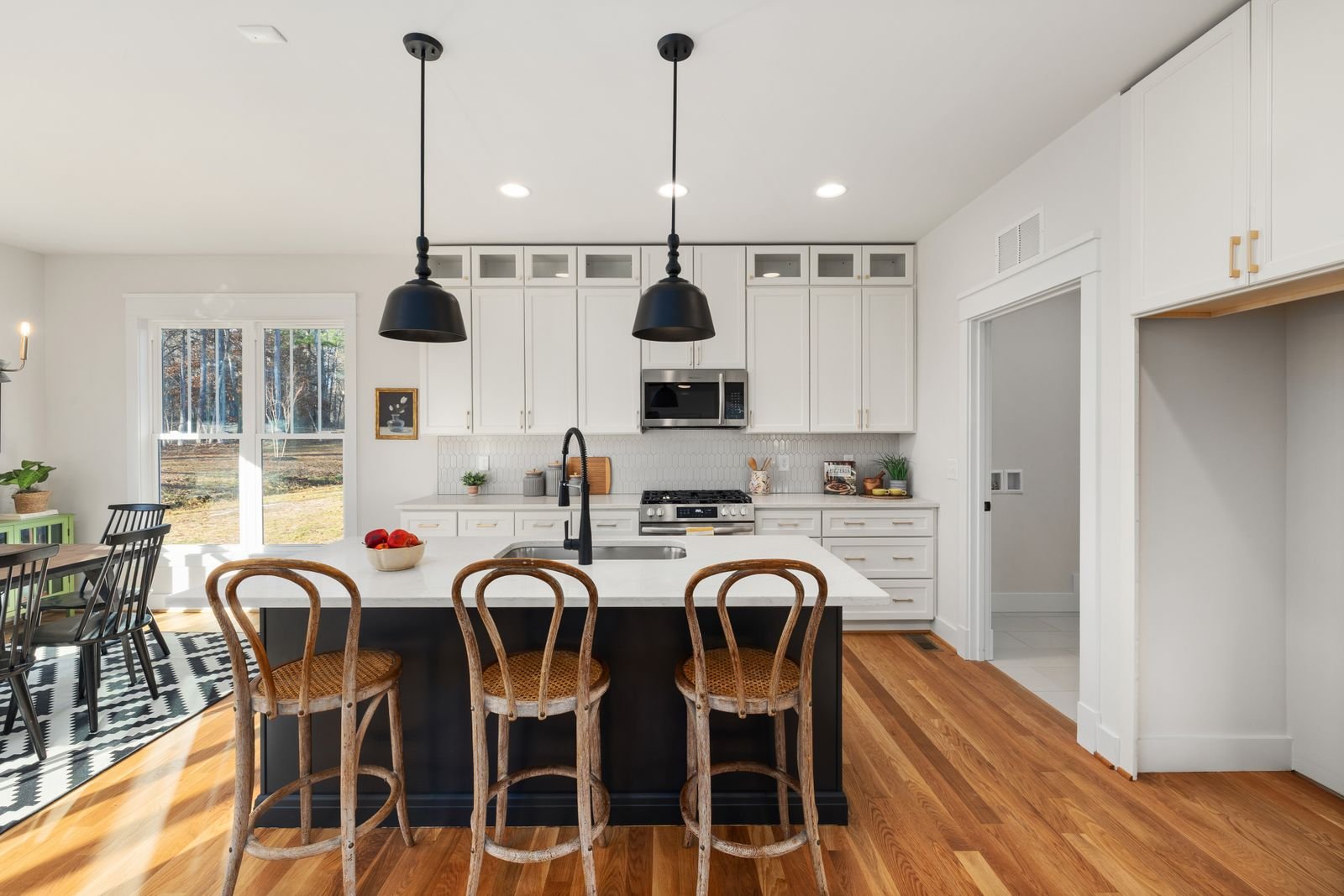
Modern Farmhouse Decor Ideas Beyond Shiplap
Modern farmhouse peaked with shiplap and mason jars — here's what still holds up about the style, and what to leave behind.
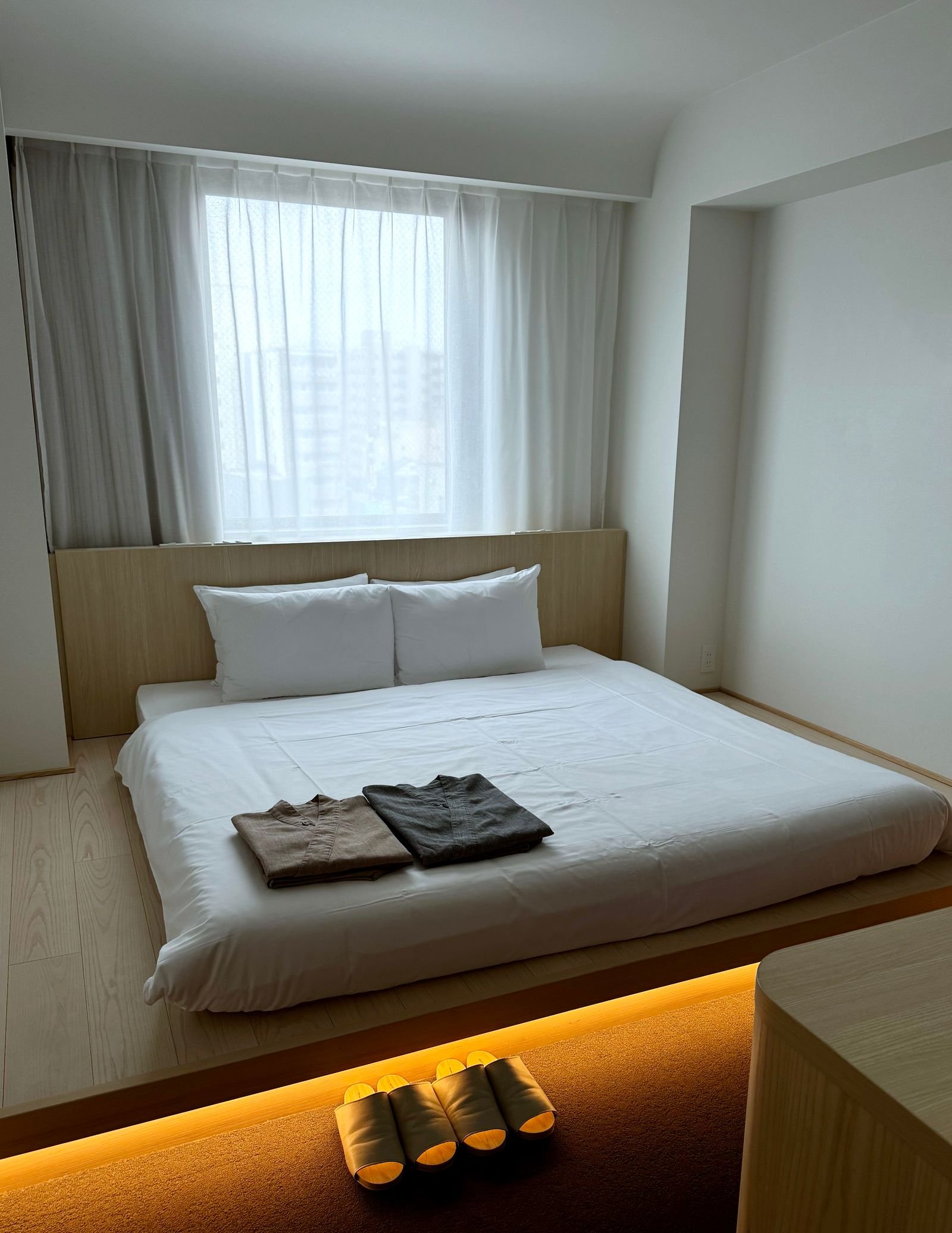
Japandi Home Ideas: Where Japanese and Scandinavian Design Meet
Japandi is Japanese restraint and Scandinavian warmth in the same room — here's what actually defines it beyond the buzzword.
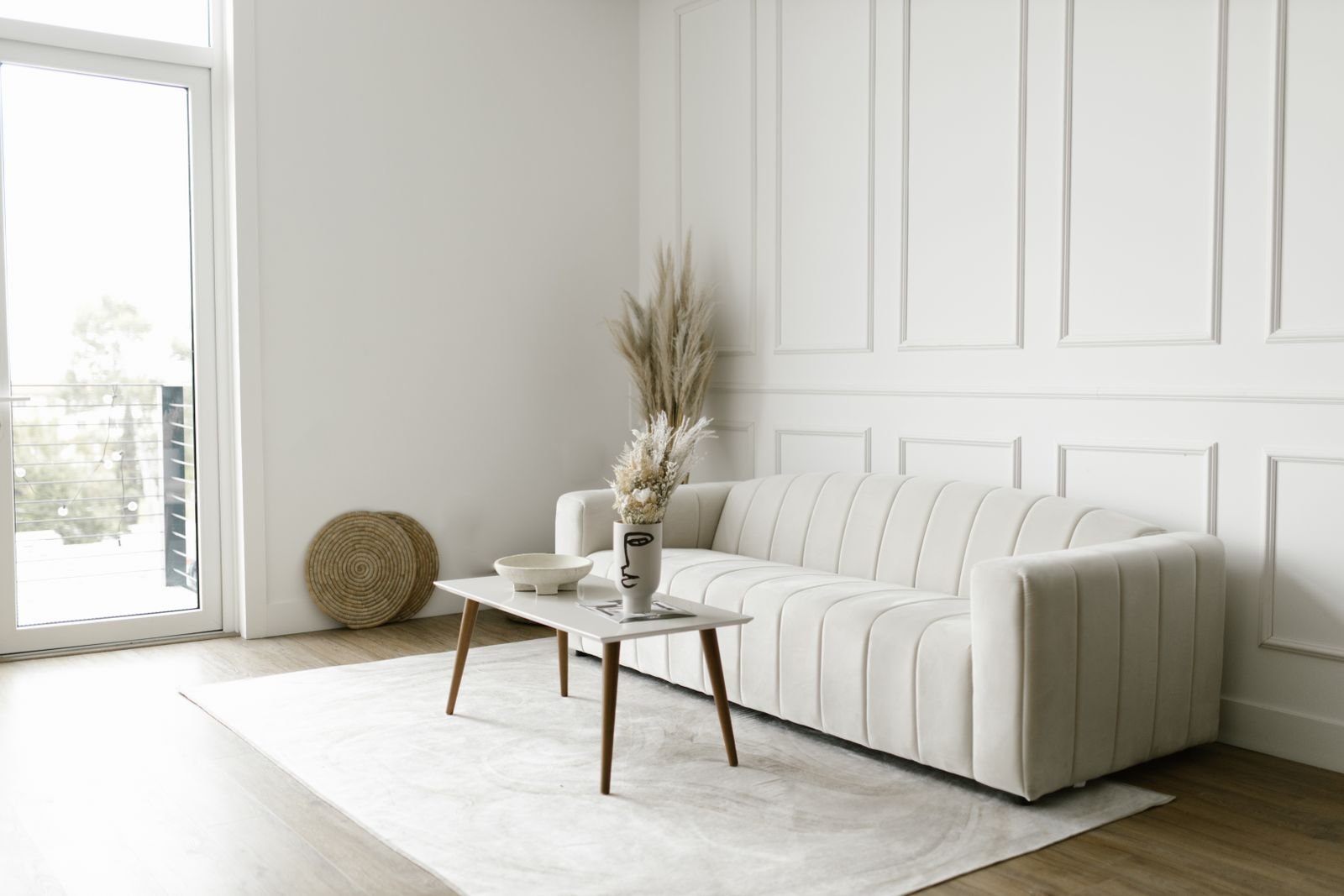
Minimalist Home Ideas That Still Feel Warm
Good minimalism isn't an empty room — it's a room where everything left has a reason to be there.
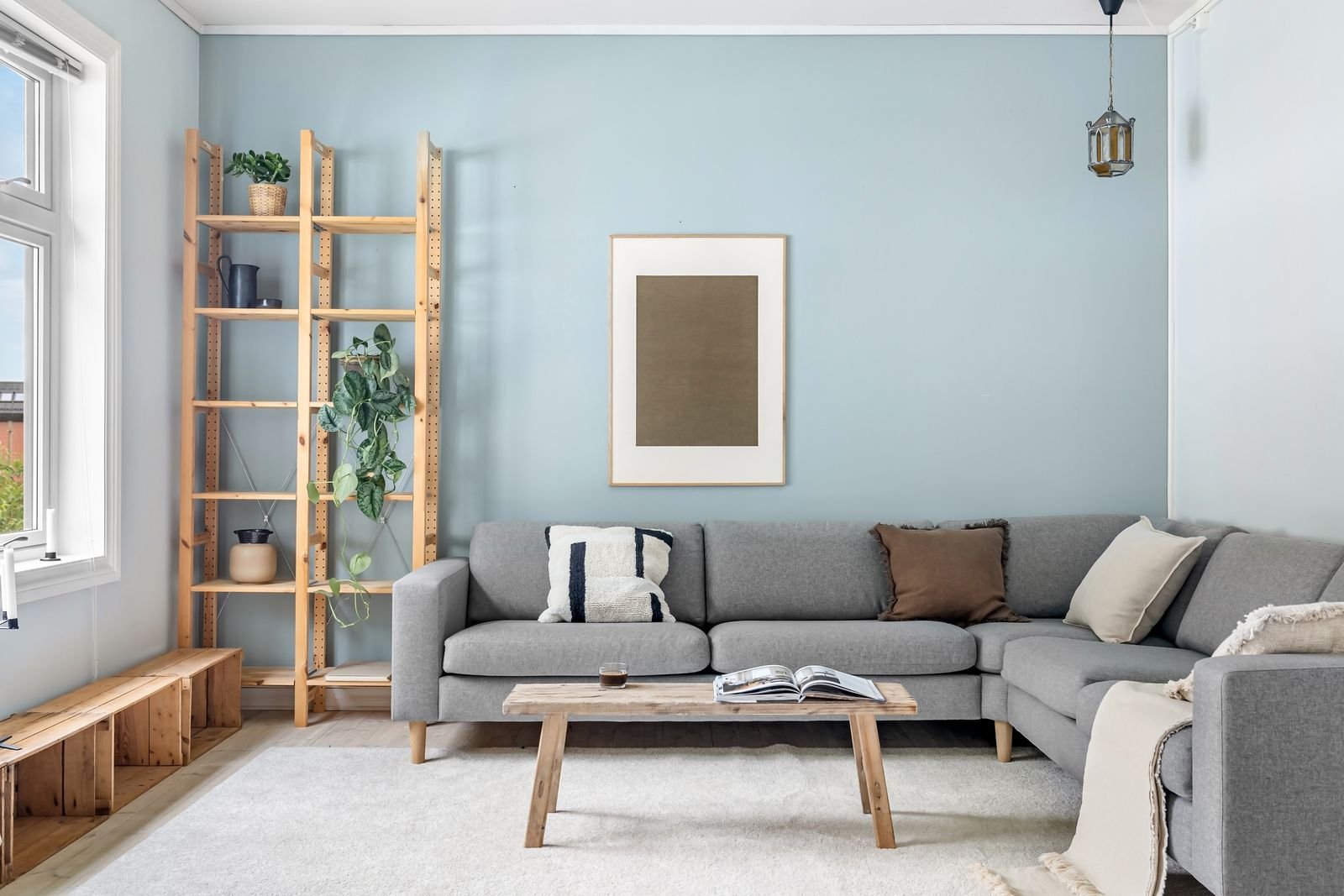
Scandinavian Home Ideas for a Bright, Functional Space
Scandinavian design is about light and function first — the white walls and cozy textiles are a result of that, not the starting point.