
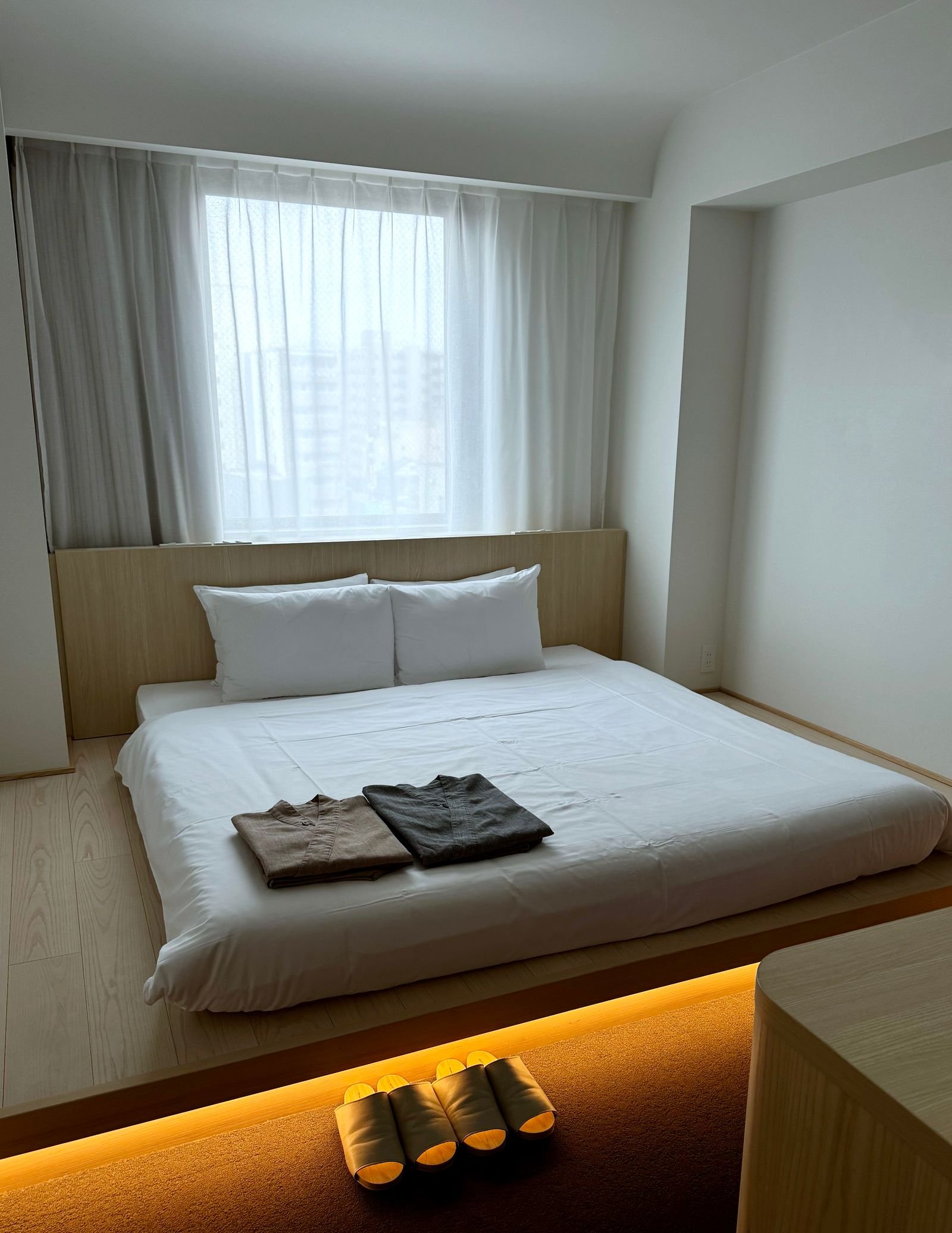
Japandi gets used as shorthand for 'neutral room with a wood accent,' which undersells what's actually a fairly specific style: Japanese minimalism's focus on craftsmanship and quiet, paired with Scandinavian design's warmth and function. Done well, it's calmer than most other neutral styles and more textural than plain minimalism.
It works especially well in small or awkward rooms, since a lot of its principles — low furniture, clear sightlines, limited color — are also small-space tricks in disguise.
Furniture Sits Lower and Looks Handmade
Japandi furniture tends to sit closer to the ground — low platform beds, low coffee tables, floor cushions — and favors visible natural material and joinery over polished, mass-produced finishes. A slightly imperfect, clearly handmade wood piece fits the style better than a flawless veneer one.
The Palette Is Muted, Not Stark
Where Scandinavian design alone often leans toward crisp white, Japandi pulls the palette warmer and muddier: oatmeal, clay, charcoal, muted sage, unbleached linen. White shows up as a background note more than a dominant color.
Craftsmanship Over Decoration
Japandi rooms are sparsely decorated but not empty — a single ceramic vessel, a well-made wood stool, a paper or rice-shade lamp does more work than a shelf of smaller objects. The style values one well-made thing over several decorative ones.
Bring in Natural Texture Deliberately
Woven grass or rattan, raw or lightly finished wood, linen and stoneware are the core material vocabulary. Avoid high-gloss finishes and synthetic materials where possible — they read as the opposite of the handmade, quiet quality the style is built around.
Bring the Outside In, Modestly
A single plant with a simple, unfussy shape — a fiddle leaf fig, a snake plant, even a small bonsai — does more for a Japandi room than a full indoor garden would. The style borrows the Japanese idea of one deliberate natural element rather than the maximalist plant-filled look some other styles lean on. One well-placed plant, given room to be seen clearly, fits the restraint the rest of the room is built around.
Ceramic and stoneware planters suit the style better than plastic or brightly glazed pots — the container matters here almost as much as the plant itself. A slightly irregular, hand-thrown pot in a muted glaze keeps the detail consistent with the rest of the room's handmade, unpolished quality.
Slow Down the Room's Rhythm
Japandi interiors tend to avoid anything that feels rushed or overstimulating — bright accent colors, busy patterns, cluttered surfaces all work against the calm the style is going for. That doesn't mean the room has to be boring; it means visual interest comes from texture and craftsmanship rather than contrast and pattern. A room that takes a moment to notice everything in it, rather than announcing itself immediately, is doing Japandi correctly.
Common Japandi Mistakes
- Treating it as pure Scandinavian style with a single bonsai added — the muted, warmer palette is what actually distinguishes it.
- Using glossy, mass-produced furniture instead of pieces with visible natural material and texture.
- Overcrowding surfaces — Japandi decor is sparse and deliberate, not absent, but definitely not abundant.
- Keeping an all-white base instead of shifting the palette toward warmer, muddier neutrals.
Frequently Asked Questions
What's the difference between Japandi and Scandinavian style?
Scandinavian design tends toward brighter, crisper whites and playful accents; Japandi pulls the palette warmer and muddier and adds more emphasis on visible craftsmanship, natural texture and a slower, quieter feel.
Can Japandi work in a small apartment?
It's actually well suited to small spaces — low furniture, a limited color palette and sparse, deliberate decor are all principles that also help a small room feel less cramped.
More Ideas You May Like
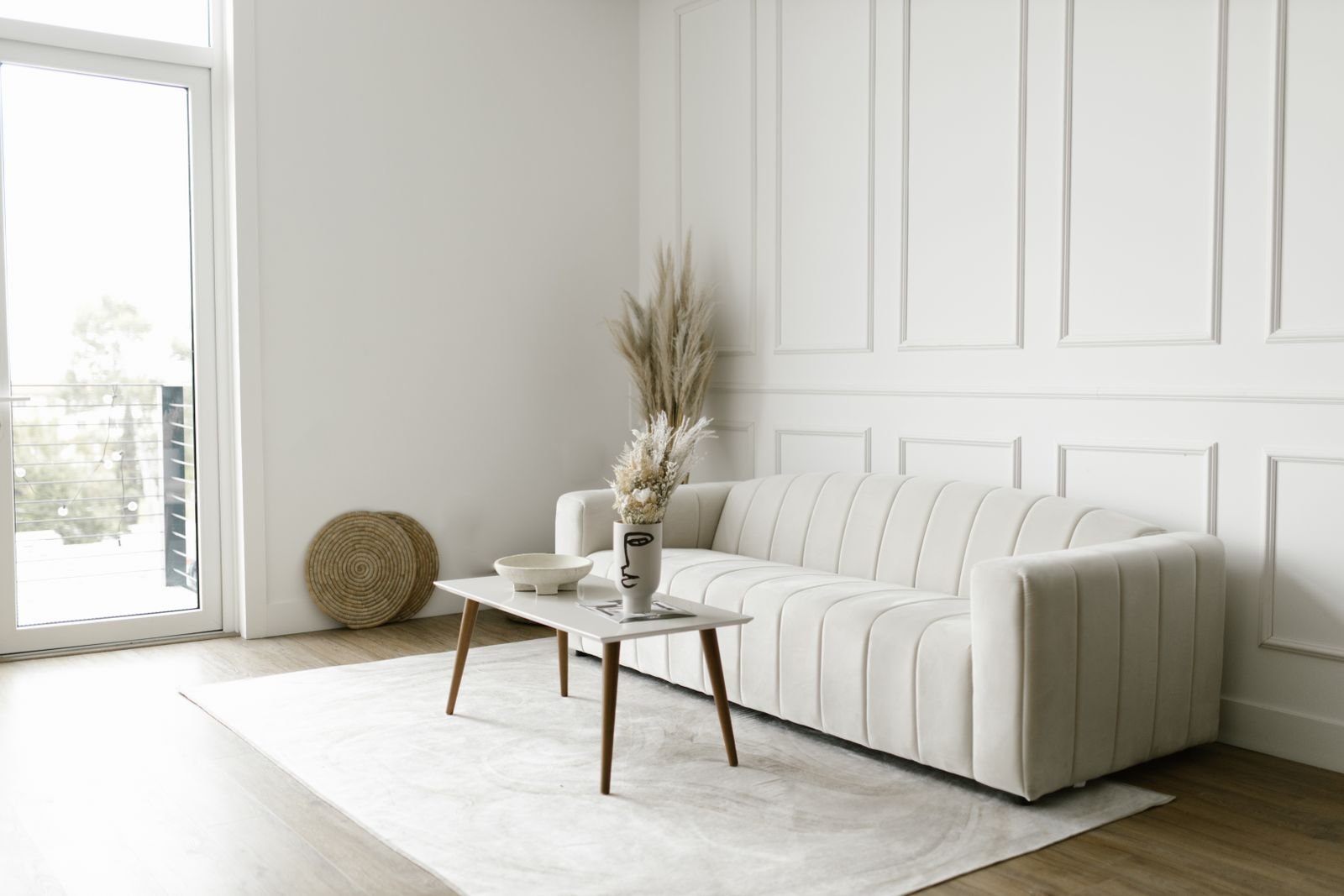
Minimalist Home Ideas That Still Feel Warm
Good minimalism isn't an empty room — it's a room where everything left has a reason to be there.
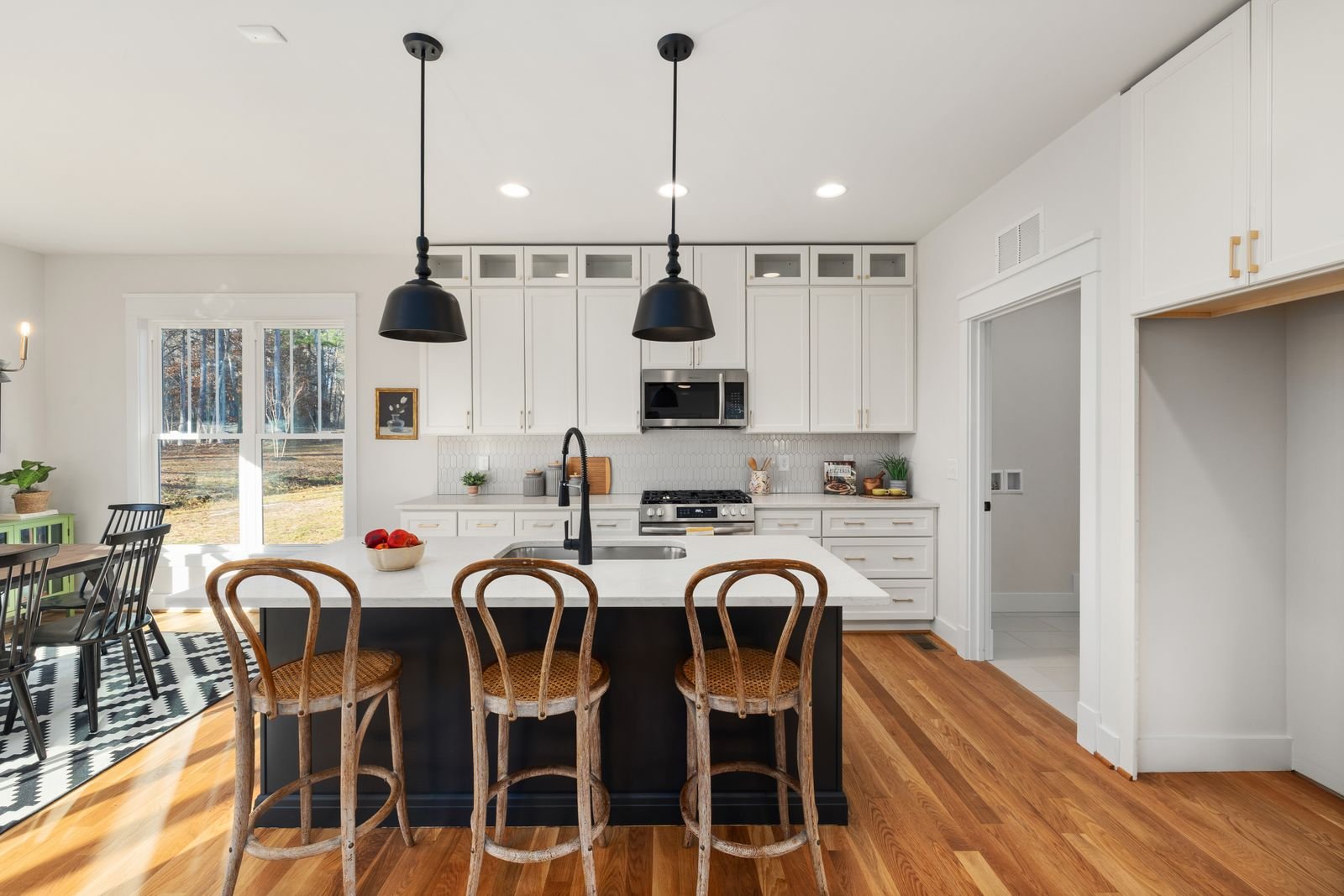
Modern Farmhouse Decor Ideas Beyond Shiplap
Modern farmhouse peaked with shiplap and mason jars — here's what still holds up about the style, and what to leave behind.
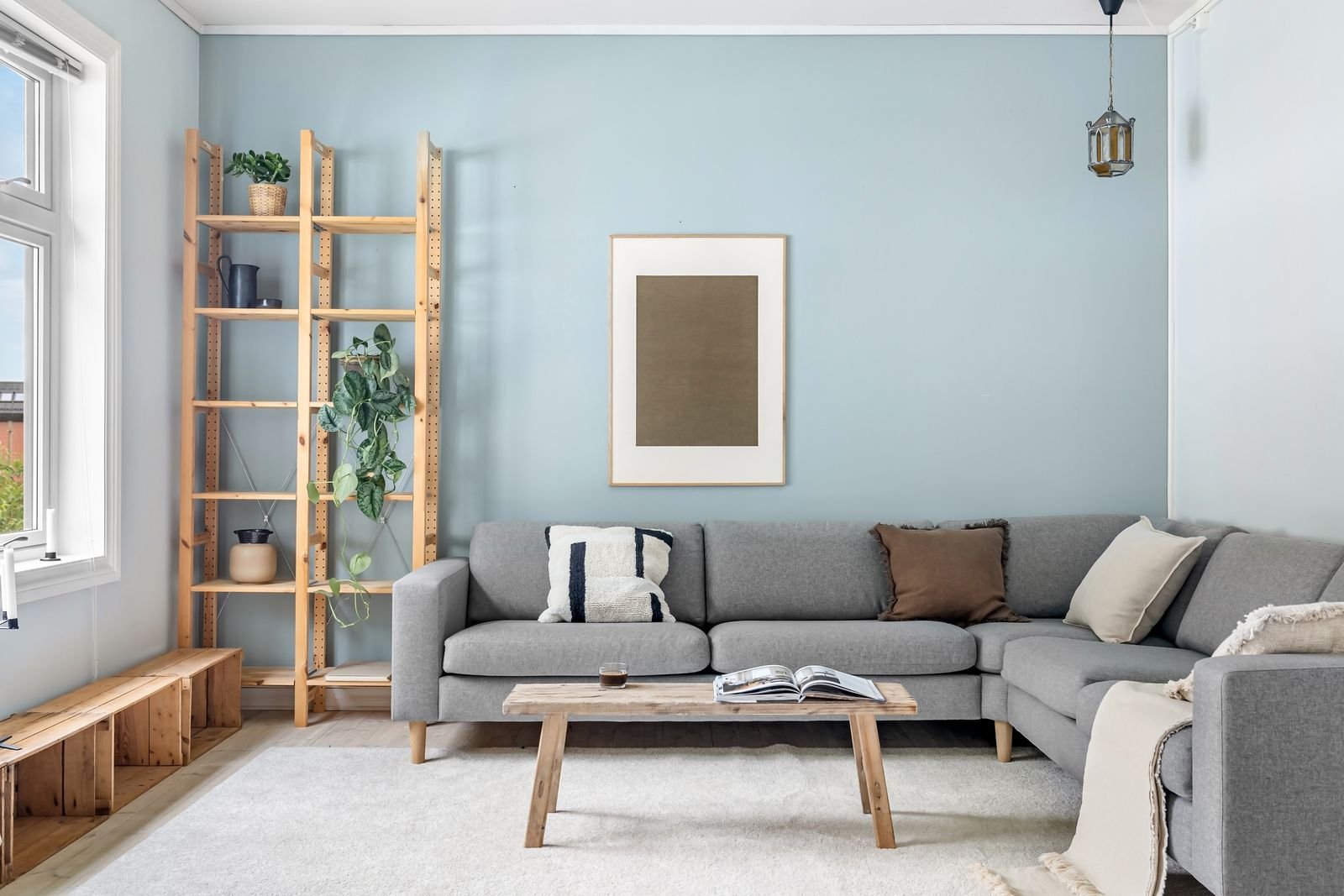
Scandinavian Home Ideas for a Bright, Functional Space
Scandinavian design is about light and function first — the white walls and cozy textiles are a result of that, not the starting point.
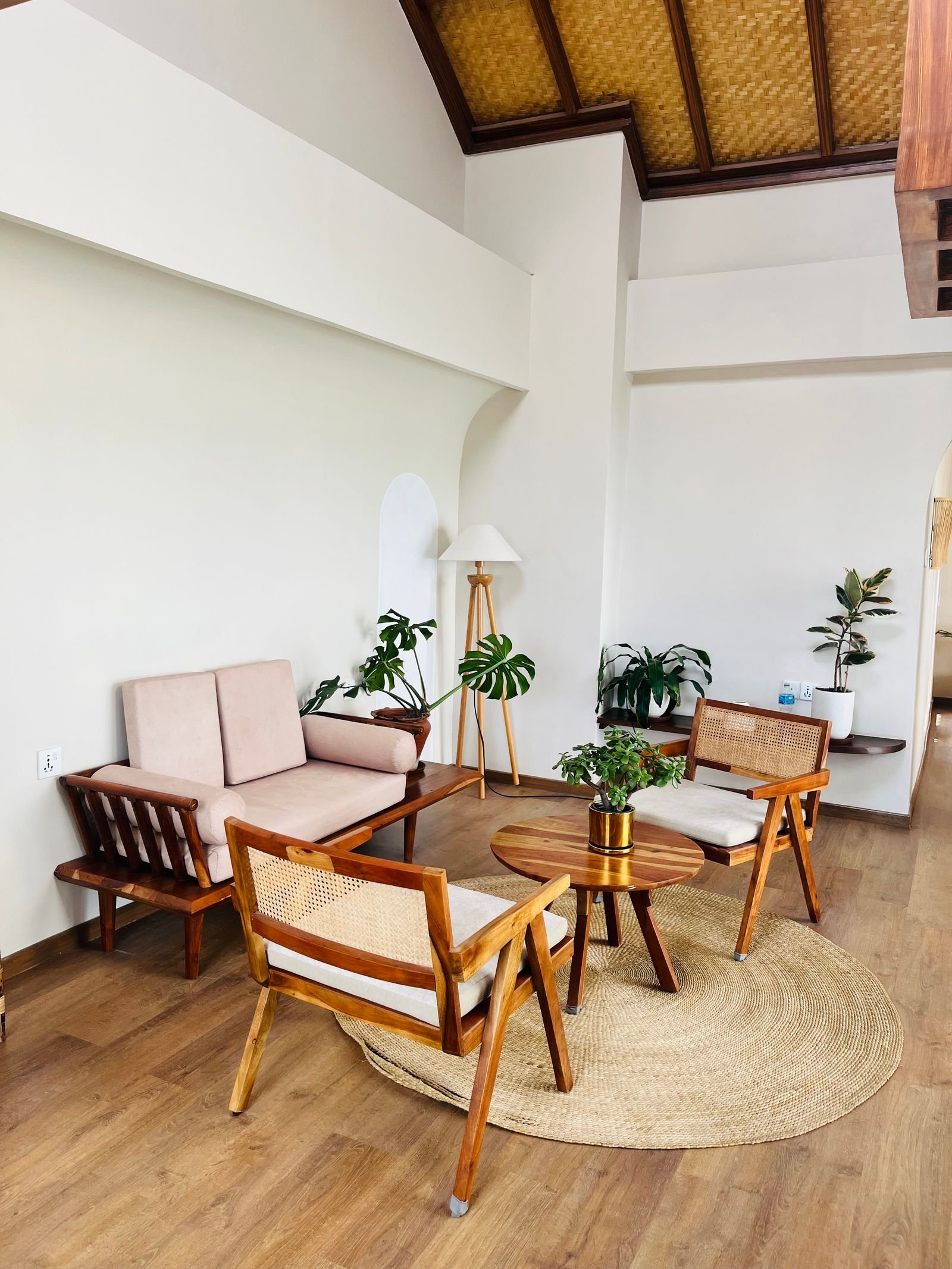
Boho Home Decor Ideas That Don't Look Cluttered
Boho decor lives or dies on restraint — the good version is layered on purpose, not just full of things.