
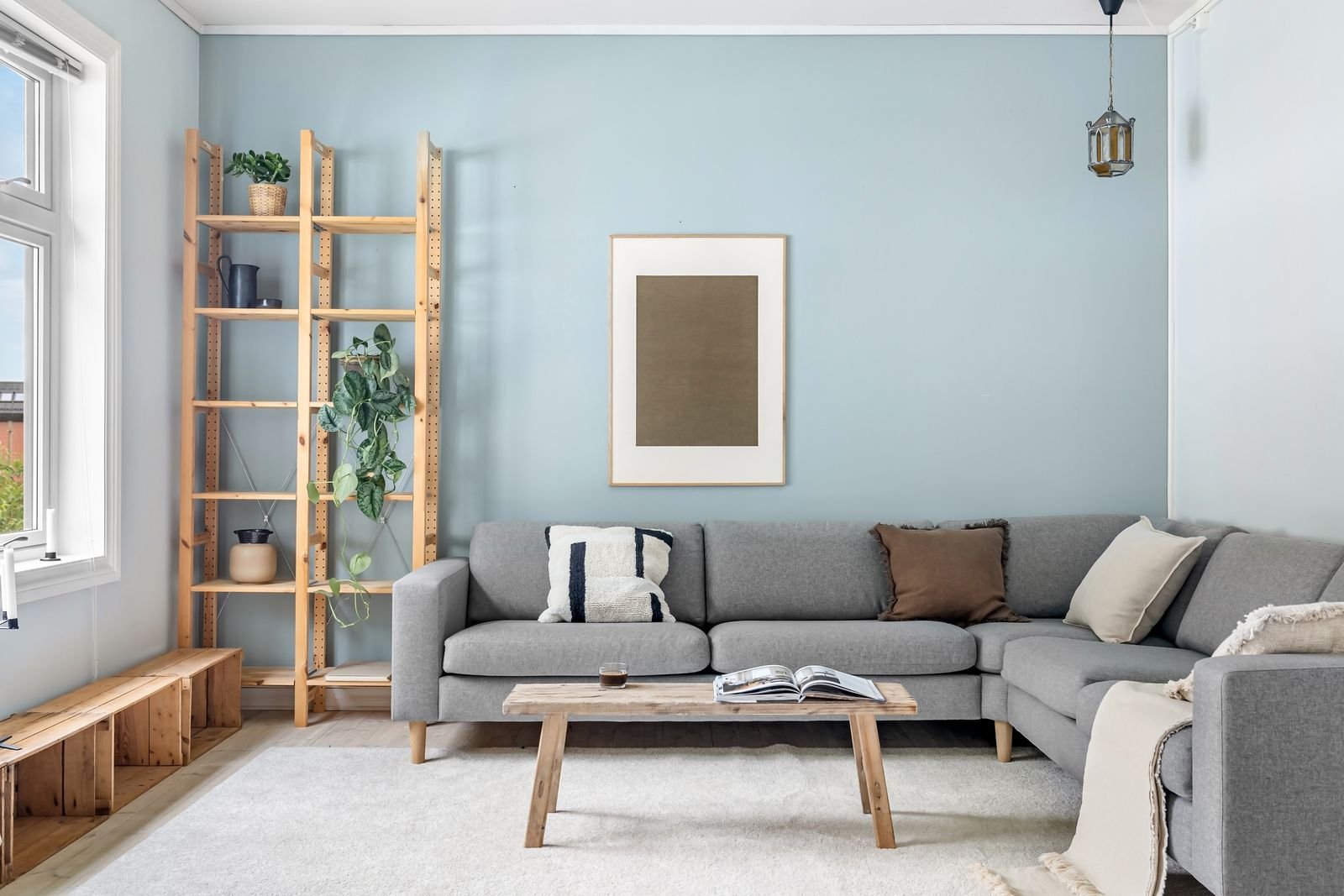
Scandinavian design gets reduced to 'white walls and hygge blankets' online, which misses where the style actually comes from: long, dark winters in a region that needed homes to make the most of limited daylight and to function well for everyday life. The look is a byproduct of those priorities, not the point itself.
Maximize Natural Light First
Sheer or minimal window treatments, pale wall colors and furniture that doesn't block windows are all in service of getting as much daylight into a room as possible. If a room has decent natural light, Scandinavian styling should protect and enhance that — not add heavy drapery or dark furniture that swallows it.
Choose Function-First Furniture
Scandinavian furniture design prioritizes usability — a chair is judged on how it feels to sit in as much as how it looks. Clean lines, light wood (birch, ash, pale oak), and a lack of ornamentation are common, but they're a result of function-first design, not a style requirement on their own.
Add Texture to Offset the Cool Palette
A room that's all white walls and pale wood can feel sterile without textiles to soften it — this is where the hygge reputation comes from. Wool throws, sheepskin, knit cushions and a substantial rug are functional as much as decorative; they make a bright, cool-toned room comfortable rather than clinical.
Keep Color Intentional, Not Absent
Scandinavian rooms aren't required to be colorless. A single muted accent — dusty blue, sage, blush — against the white and light-wood base is common and keeps the room from feeling flat. The restraint is in using one or two accent colors consistently, not avoiding color altogether.
Mirrors Do Double Duty
A well-placed mirror, positioned to reflect a window rather than a wall, effectively doubles the light entering a room — a trick that shows up constantly in real Scandinavian homes precisely because natural daylight is scarce for much of the year there. It's a small addition with an outsized effect, and it fits the function-first logic of the style: a mirror is decorative, but its placement is doing real work.
A simple frame in the same light wood as the rest of the furniture keeps a mirror from becoming its own decorative statement — the point is the light it reflects, not the mirror itself.
Plants as Function, Not Just Decor
Houseplants show up constantly in Scandinavian interiors, partly for the same reason as the mirrors — anything that brings a sense of life and season into a room matters more when the actual outdoors is cold and dark for long stretches. A few hardy, easy-care plants on windowsills, where they also get the most light, is more in keeping with the style's practicality than a curated jungle corner requiring constant upkeep.
Common Scandinavian Design Mistakes
- Treating an all-white room as automatically Scandinavian without the function-first furniture choices that actually define the style.
- Skipping textiles and ending up with a bright but uncomfortable, cold-feeling room.
- Blocking windows with heavy furniture or drapery, working against the light-maximizing core of the style.
- Using dark wood tones throughout, which fight the light, airy quality the style is built around.
Frequently Asked Questions
Does Scandinavian design have to be all white?
No — white and pale neutrals are common because they reflect light well, but muted accent colors are a normal part of the style. What matters more is function-first furniture and maximizing natural light.
What's the easiest way to start a Scandinavian refresh?
Swap heavy window treatments for something sheer or minimal, and add one or two wool or knit textiles. Those two changes cover both halves of the style — more light in, more warmth added back.
More Ideas You May Like
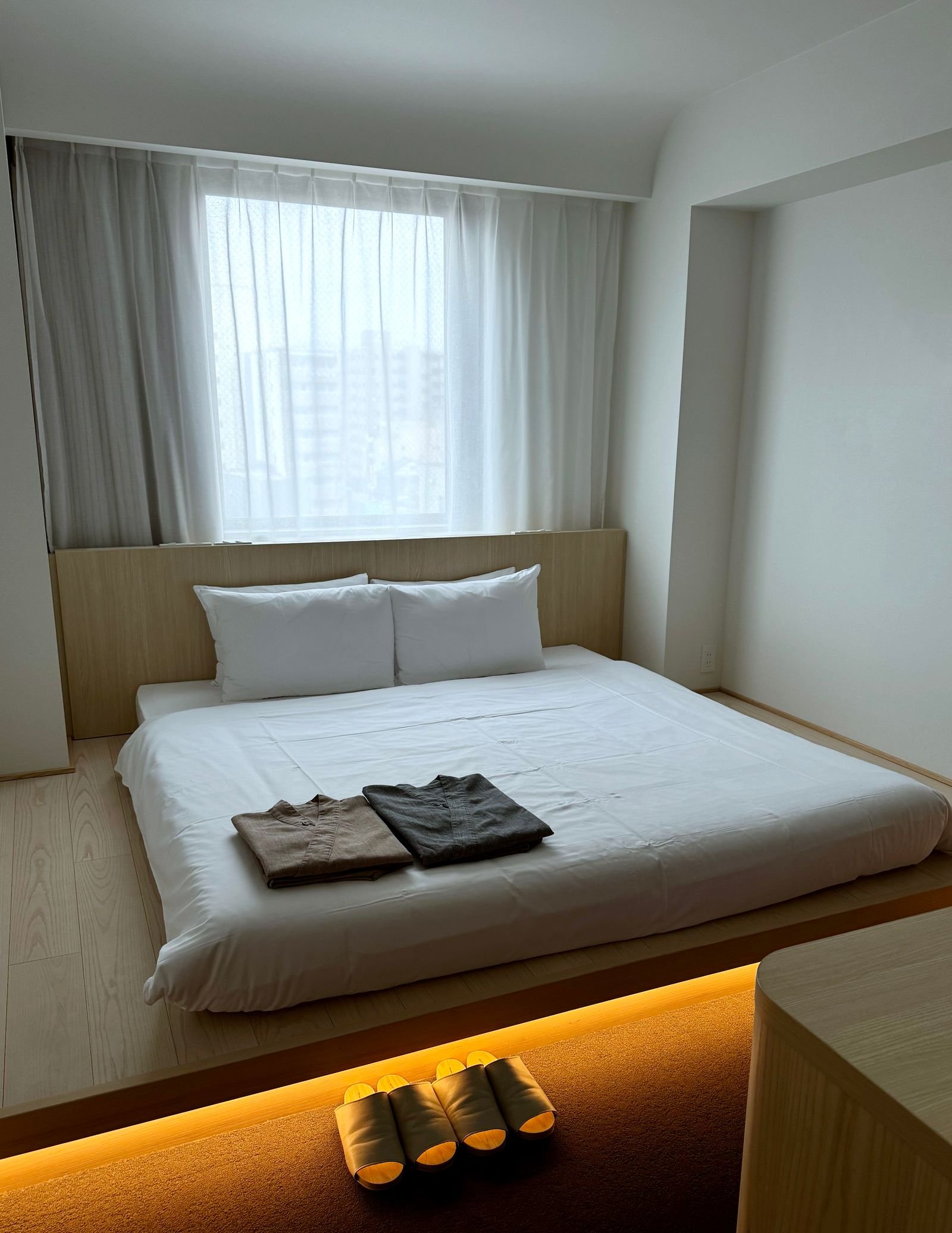
Japandi Home Ideas: Where Japanese and Scandinavian Design Meet
Japandi is Japanese restraint and Scandinavian warmth in the same room — here's what actually defines it beyond the buzzword.
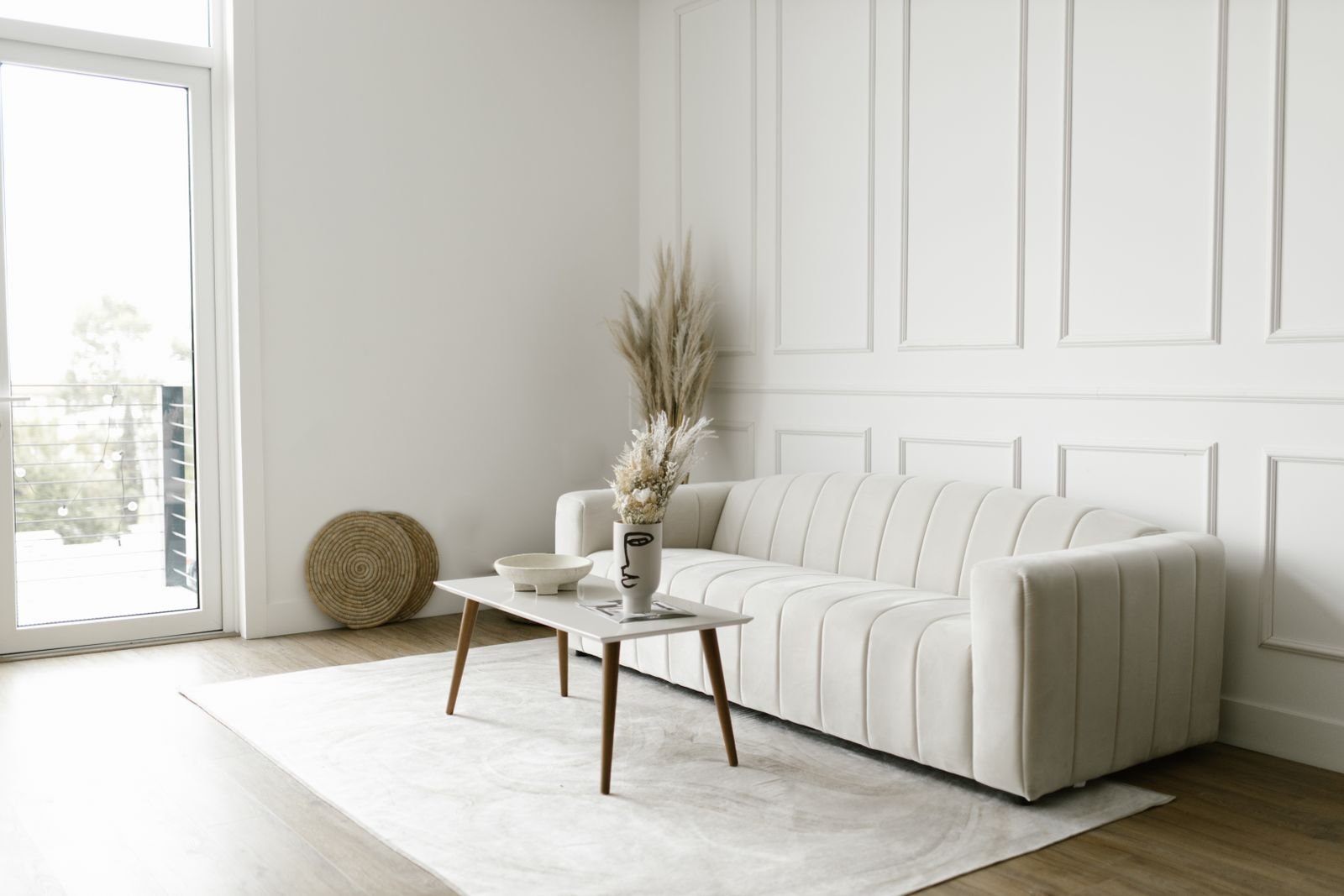
Minimalist Home Ideas That Still Feel Warm
Good minimalism isn't an empty room — it's a room where everything left has a reason to be there.
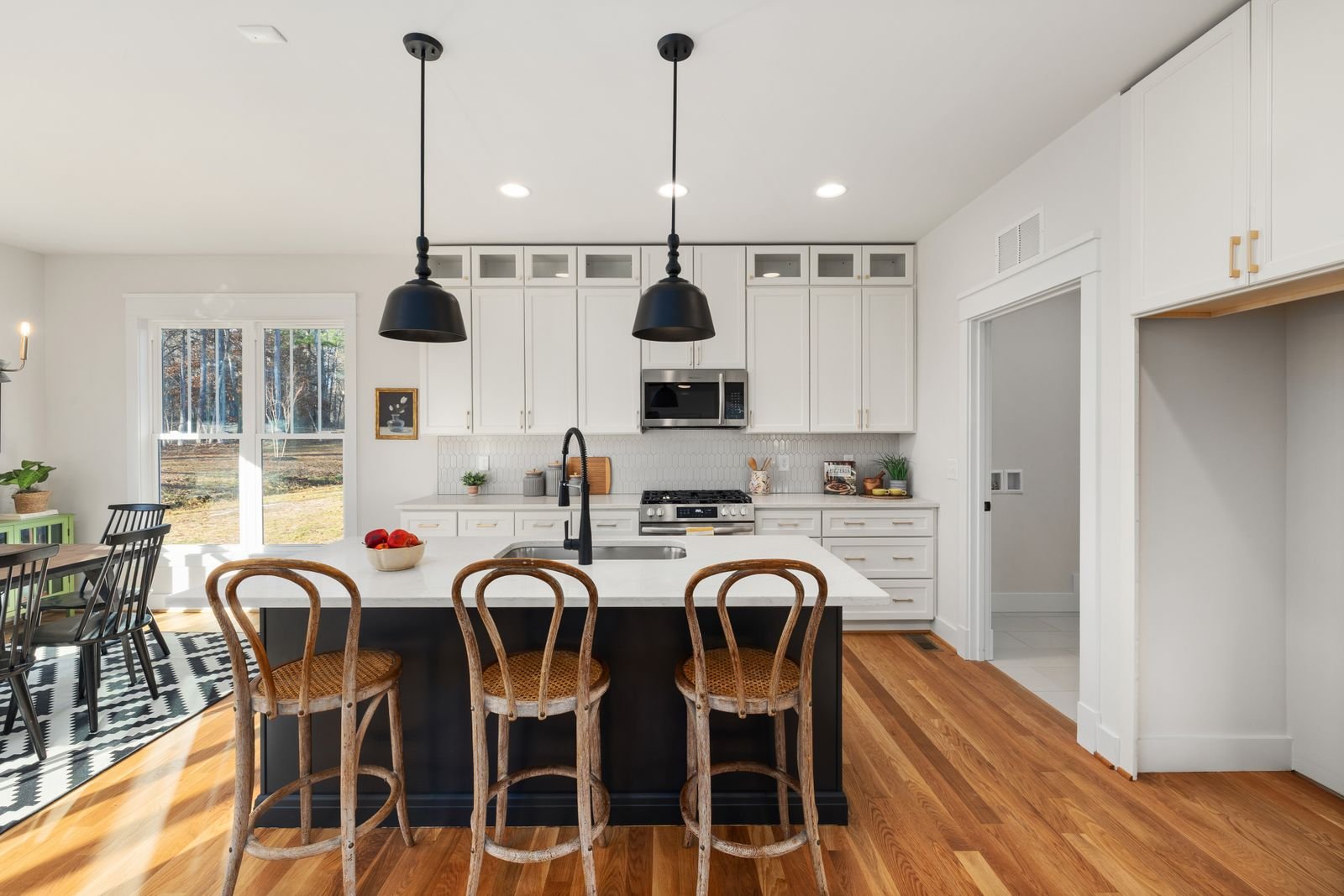
Modern Farmhouse Decor Ideas Beyond Shiplap
Modern farmhouse peaked with shiplap and mason jars — here's what still holds up about the style, and what to leave behind.
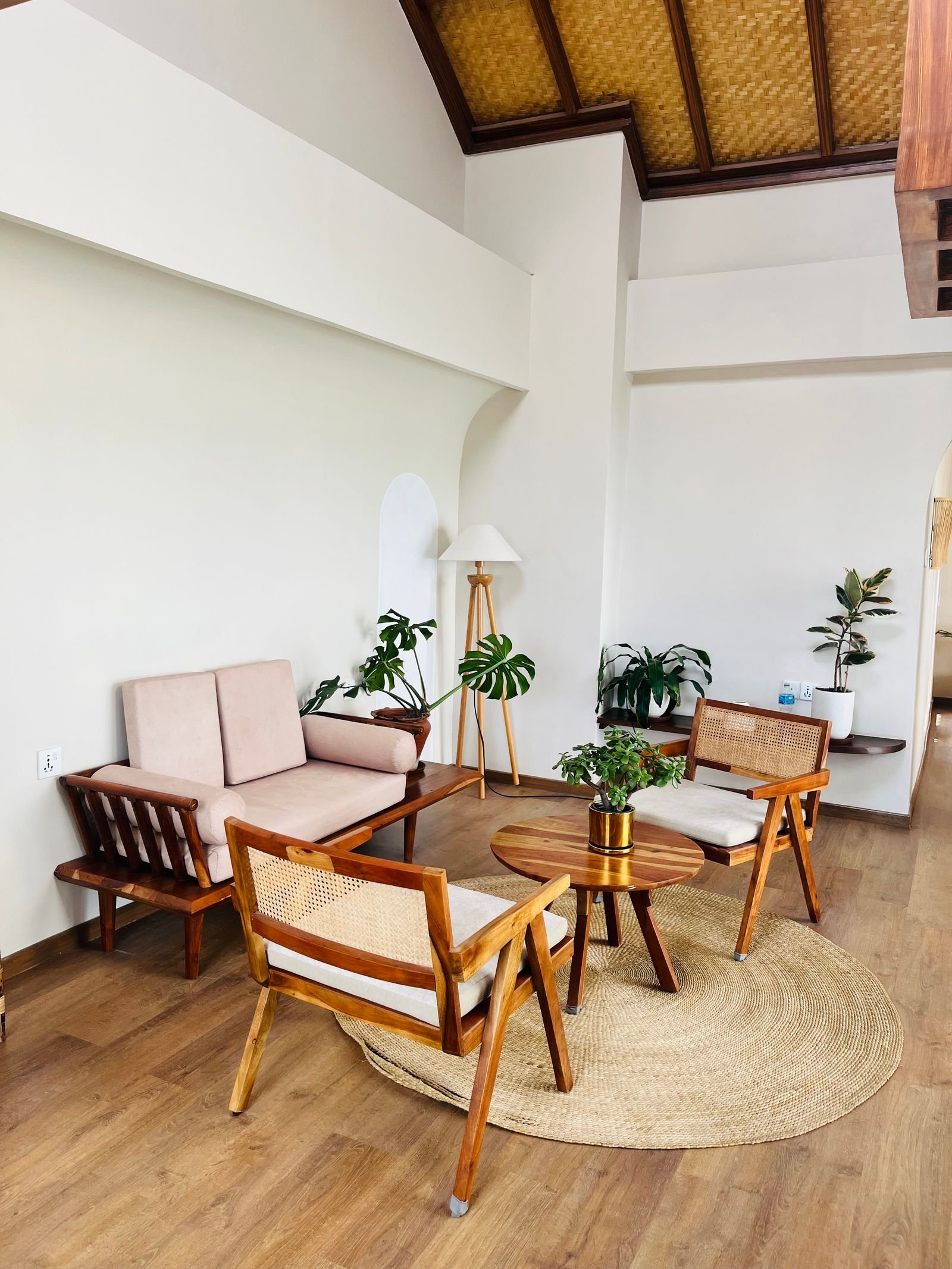
Boho Home Decor Ideas That Don't Look Cluttered
Boho decor lives or dies on restraint — the good version is layered on purpose, not just full of things.